When you hear about "science focused on how dogs can live their best lives with us", it may sound like the sort of imaginary profession a child would invent. Yet animal welfare science is a genuine and influential discipline.
Dogs, our best-loved animal companions and colleagues, are certainly worthy of scientific study. In recent years, researchers have discovered more about both the ways dogs resemble people and the qualities that make them uniquely canine.
We commonly consider the ways dogs assist us: through companionship, detection work, and helping to keep us safe and healthy. Dog-centred science encourages us to view the world from a four-paw perspective, then use what we learn to help dogs live well.
Here are five ways to help keep the dogs in your life happily wagging their tails.
1. Let dogs sniff
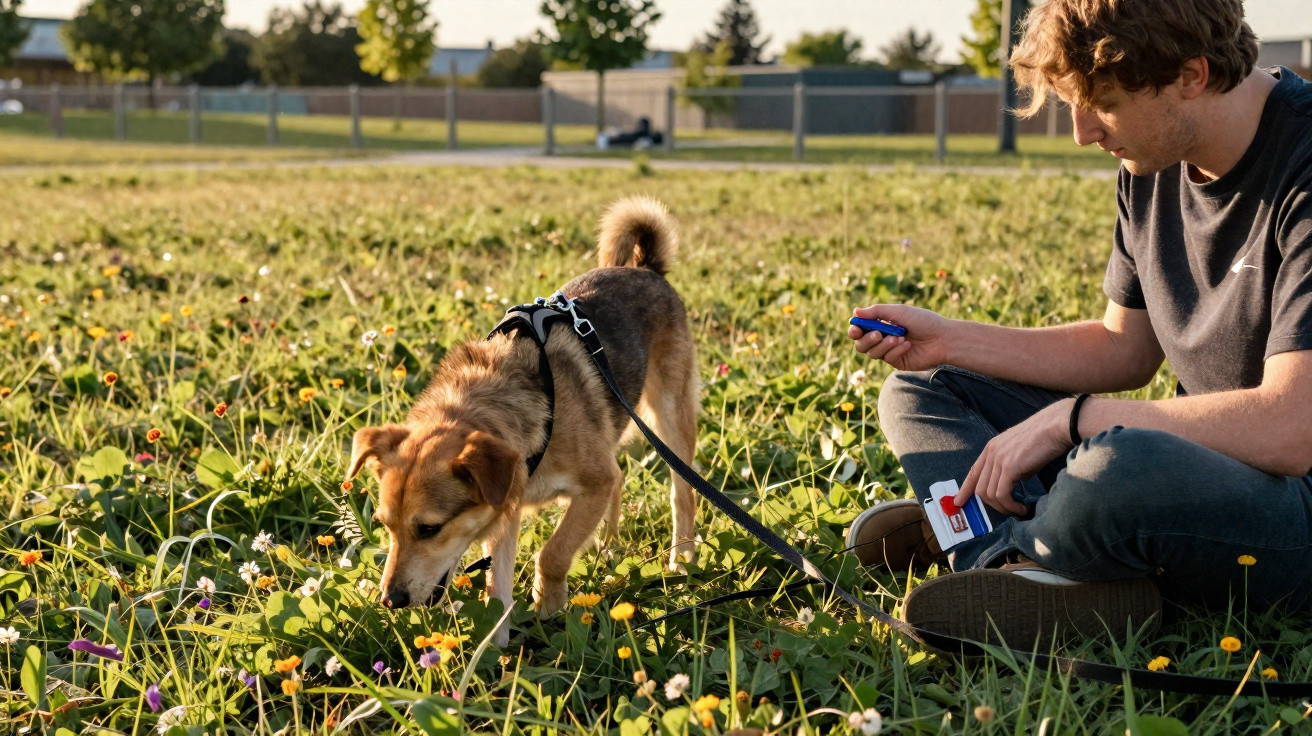
Sniffing improves dogs’ happiness. Because humans rely so heavily on sight, we can overlook the fact that dogs experience life primarily through scent. A daily walk may be our regular exercise, but it could also be our dog’s only opportunity to leave their home surroundings.
Allowing a dog to thoroughly investigate a tree or post gives them a wealth of rewarding information. For their nose, it is much like standing on a mountain summit and taking in a vivid, colour-filled sunset.
2. Give dogs agency
Agency is currently a major subject in animal welfare science. Anyone who experienced the frustration of strict COVID lockdowns in the early years of the pandemic may remember how being unable to visit places or people when we wished affected our mental health.
We now understand that animals also need choices and control in their daily lives for good mental wellbeing. Giving dogs more opportunities to choose, and more control to act on those choices, can improve their welfare.
This could mean fitting a dog door, allowing them to move indoors or outside whenever they choose. It may involve letting them select which interesting-smelling route to follow through the local park. You might offer a choice of three toys each day from a larger set that you rotate. Or, you could place an old blanket somewhere new after noticing a sunny patch on the floor where they could rest.
Offering choices need not be costly or difficult.
3. Recognise that every dog is an individual
People often attach particular personality characteristics to particular dog breeds. However, like people, dogs have individual personalities and preferences. Dogs will not all enjoy the same activities, and a new dog in our home may be entirely unlike the one before them.
One dog may enjoy racing around a dog park with other dogs for an hour, whereas another may prefer spending time with you in the garden, chewing something.
There can be as much variation in behaviour among dogs of the same breed as there is between breeds. Being ready to accept dogs as the individuals they are matters to their welfare.
Alongside observing what each dog enjoys, we should avoid pushing them into experiences they dislike. Watch for signs that a dog is uneasy, including turning their head away, lip licking, or yawning.
4. Respect a dog’s choice to opt out
Even at home, we can give dogs alternatives when they would rather not join every activity. A peaceful space they can withdraw to is essential, as it lets them opt out when they wish.
Loud television may be overwhelming for their sensitive hearing, so make sure there is an open door to another room where they can escape. Some dogs can also be overwhelmed by visitors. Giving them a secure, quiet place to go, instead of insisting on an interaction, can help them manage.
Dogs can be excellent examples for children learning empathy. We can model consent by allowing dogs to come to us for pats and leave when they choose. Much like watching exotic animals perform in circuses, dressing dogs up purely for our entertainment appears to have passed its time. If you asked most dogs, they would not choose to wear costumes or take part in your Halloween activities.
5. Safe opportunities for off-lead activity
Dogs use space in different ways when they can run off-lead. They generally range further and move faster than when they are walking on a lead with us. This gives them enjoyable, valuable exercise that helps maintain fitness and health.
A recent study of how liveable cities are for dogs mapped designated locations where dogs can be exercised off-lead. Dog density varied by location, from one dog per six people to one dog per 30 people.
The research also compared access to those spaces with annual dog registration charges in each local government area, revealing unexpected differences across greater Melbourne. Fees ranged from A$37 to $84, and were not connected to the number of off-lead areas available.
In dog-loving countries such as Australia, supporting our canine companions to live their best lives feels worthwhile. Science viewed through a four-paw lens can prompt us to rethink everyday interactions with dogs and encourage positive changes that help us live well together.
Mia Cobb, Research Fellow, Animal Welfare Science Centre, The University of Melbourne
This article is republished from The Conversation under a Creative Commons licence. Read the original article.

















Comments
No comments yet. Be the first to comment!
Leave a Comment