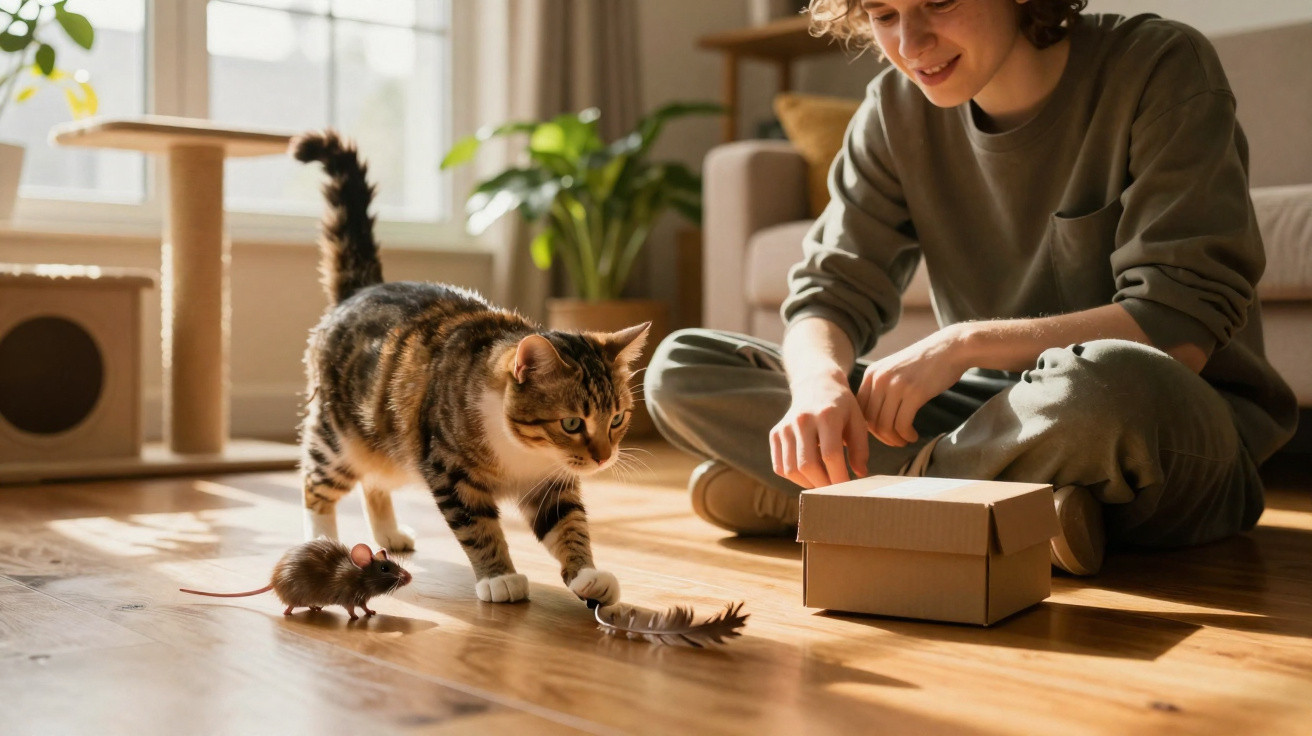
You open the door to find a mouse, a bird or an insect placed on the floor as though it were an unexpected delivery. Although it may look like a grisly gift, this act is neither a sign of cruelty nor a complaint about the food provided at home. It shows that, beneath the affectionate animal on the sofa, there is still a hunter driven by ancient instincts.
Is the cat really giving you a present?
The belief that a cat brings prey to please its owner is widespread, but no single explanation has been proven. Feline behaviour specialists consider it more likely that the animal is carrying its catch to a familiar, sheltered place within its core territory - usually the home.
Because domestic cats form bonds with people, the item may be deposited near their owner. This can make the action appear to be an intentional offering. Yet the human interpretation of a present simplifies a process involving hunting, carrying prey, territorial security and, in some situations, social interaction.
Why does a well-fed cat still hunt?
For cats, hunger and hunting are not quite the same thing. The rapid movement of prey can trigger a chase even if the animal has just eaten. Research into domestic cats indicates that an adequate diet can lessen how often they make catches, but it does not fully remove this natural behaviour.
Cats’ ancestors relied on several small hunts during the day. Watching, creeping closer, chasing, pouncing and biting therefore make up a sequence that is deeply rooted in the species. Cat food meets nutritional needs, but it does not erase the brain’s motivation to perform these actions.
Is the habit linked to caring for kittens?
Female cats raising kittens may carry dead or weakened prey back to the nest. This enables the young to become familiar with food and practise stages of hunting in a comparatively safe setting. This observation has led to the theory that some cats regard their owners as rather unskilled hunters.
Interesting as it is, this explanation should not be considered certain in every case. The more widely accepted reasons include:
- Taking the catch to an area regarded as safe;
- Saving prey to eat later;
- Repeating behaviour associated with maternal care;
- Completing the natural sequence of chasing and carrying;
- Seeking attention after a stimulating experience.
Watch the video shared by the YouTube channel Sou Gato, which explains why cats bring presents to their owners.
What do studies reveal about these feline hunters?
Research involving owners reveals substantial differences between individual cats. Personality, age, surroundings, opportunities to go outside and the availability of prey can all affect how frequently catches occur. A French study of more than 2,500 owners identified a connection between certain behavioural traits and the number of prey animals brought home.
Animals found in the house account for only some of the catches, too. Cats eat or abandon certain prey before returning home. As well as causing discomfort for owners, hunting birds, small mammals and reptiles can affect local wildlife, particularly in urban areas where many cats roam freely.
How should you deal with presents without punishing the cat?
Telling the cat off, shouting or frightening it will not remove the instinct and may damage its relationship with its owner. The safest approach is to remove the prey using suitable protection, clean the area, and redirect the cat’s energy through play that recreates chasing, catching and reward, using teaser wands and appropriate toys.
Keeping a cat indoors, fitting protective screens or creating a secure outdoor space reduces contact with wild animals while also preventing road accidents, fights and disease. Taking action now turns an uncomfortable habit into a chance to enrich the feline’s routine, protect wildlife and provide a safer life for the hunter living on the sofa.

















Comments
No comments yet. Be the first to comment!
Leave a Comment