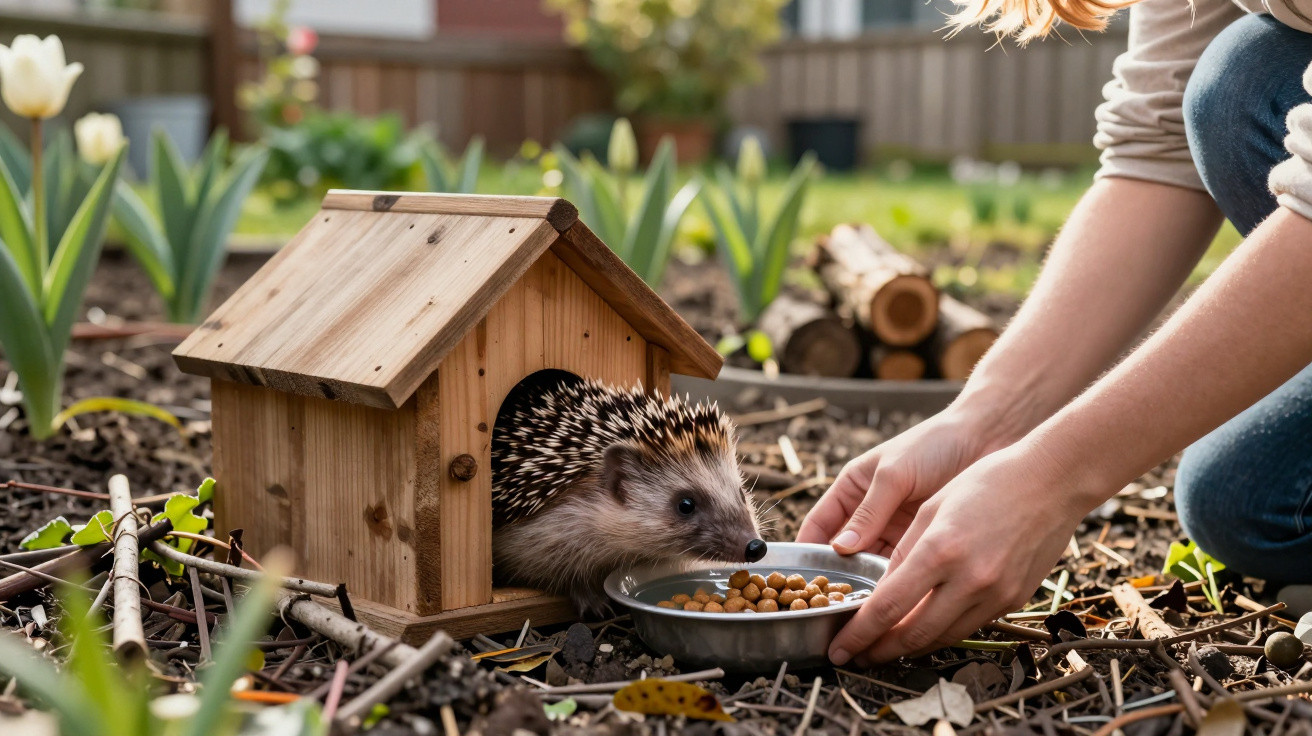
Chilly evenings in early spring may feel still, but a small, worn-out visitor to the garden could be struggling to survive only a few metres away.
As hedgehogs emerge unsteadily from hibernation, many have almost no fat left in reserve. Insects remain hard to find and the nights are cold, so a straightforward adjustment in one part of the garden may be the difference between survival and death for this well-loved animal.
Why spring is the most dangerous time for hedgehogs
For the European hedgehog, winter passes at a greatly reduced pace. Between approximately October and April, it retreats into a nest made from leaves and grass, with its bodily functions slowing substantially. Its temperature falls to something close to that inside a refrigerator, while its heartbeat becomes far slower.
This approach allows it to survive when food cannot be found, although it takes a considerable toll. Throughout the colder months, a hedgehog may shed up to a third of its body weight, and occasionally even more. When the first mild days finally arrive, many are close to exhausting their remaining energy.
When a hedgehog wakes fully in spring, it urgently needs calories and water, yet the garden often has little to offer.
The soil is still chilly and densely packed. Slugs, worms and beetles are only beginning to become active. Every step taken while hunting for food uses valuable energy, much like a phone on 2% battery attempting to load a demanding app.
When it must travel through several gardens, or even cross a road, simply to locate somewhere safe with food, it may lack the strength for the journey back. This is an area where householders can have a remarkably large impact with minimal effort.
The urgent gesture: set up a hedgehog emergency station
Wildlife organisations frequently promote “hedgehog highways” and nesting boxes, but when hedgehogs first wake in spring, the most immediate help is simpler still: a basic food and water station in a peaceful garden corner.
A shallow dish of the right food and a small bowl of fresh water, set out each evening, can pull a starving hedgehog back from the brink.
What to put in a hedgehog feeding station
The purpose is to provide protein-rich, high-energy food to aid rapid recovery after hibernation. Nothing unusual is required, as many suitable options can already be found in typical homes or gardens.
- Meat-based cat or dog biscuits, preferably not fish-flavoured
- Wet cat or dog food, ideally served in jelly rather than gravy
- Garden insects, including worms or beetles uncovered during gardening
- Unsalted peanuts, gently crushed so that small mouths can eat them
- Small portions of soft fruit, such as apple, pear or berries, as an occasional addition
Set a shallow container of fresh, clean water beside the food. The depth is important: a low-sided saucer or a plant drip tray works well. Choose a heavy bowl where possible, as it is less likely to be knocked over.
Replace food and water every day. Uneaten food may attract rats or become mouldy, so checking it each morning helps maintain hygiene. Where pets use the garden too, put the dishes inside a simple “feeding box” – such as a storage crate or wooden box with a hedgehog-sized opening – to discourage inquisitive cats and dogs.
There is one firm rule: never give milk. Hedgehogs are lactose intolerant, and milk may lead to diarrhoea and dehydration, which can prove fatal for an animal that is already weak.
Shaping a spring garden that works for hedgehogs
An emergency feeding station is a temporary measure. In the longer term, a garden that is a little less meticulously maintained can soon become a lifeline throughout the year.
How a “messy” corner becomes a shelter
The clutter many gardeners prefer to remove is ideal for hedgehogs. Heaps of leaves, scattered twigs and old logs make warm hiding places where they can safely rest by day and shelter from predators such as foxes and badgers.
A single undisturbed heap of leaves and branches can serve as both a daytime shelter and a future winter hibernation spot.
Allow one area of the garden to remain slightly wild:
- Keep a heap of fallen leaves beneath a hedge or behind a shed.
- Pile several logs or branches together to create a basic log heap.
- Let a strip of lawn grow longer alongside native wildflowers.
- Do not rake every corner; small untidy spaces are excellent hedgehog habitat.
As well as offering cover, these features encourage insects and other invertebrates. As the weather warms, these in turn provide hedgehogs with a natural source of food.
Creating safe routes between gardens
Hedgehogs travel much farther at night than many people expect, regularly covering a kilometre or more as they look for food and mates. Unbroken fences and walls make this journey a hazardous challenge and can force them towards roads.
A straightforward answer is now widely used across the UK: hedgehog holes. Making, or retaining, a gap roughly 13 cm by 13 cm at the foot of a fence lets hedgehogs pass freely from one garden to another. The opening is too small for most dogs, yet is ideally sized for a hedgehog’s rounded body.
Key features of a hedgehog-friendly spring garden
| Feature | Benefit for hedgehogs |
|---|---|
| Feeding station | Immediate energy and hydration after hibernation |
| Water source | Prevents dehydration during warmer, dry evenings |
| Leaf and log piles | Safe resting areas and insect-rich foraging spots |
| Hedgehog highway gaps | Allows movement between gardens without road crossings |
| No pesticides | Protects both hedgehogs and their prey from poisoning |
Everyday gardening habits that quietly put hedgehogs at risk
Several everyday gardening products and tools can cause serious damage. Many hedgehogs are injured well before they ever arrive at a rescue centre.
Before mowing or using a strimmer, particularly around borders, beneath shrubs and near compost heaps, briefly inspect the area with a rake or gloved hands. This can prevent a concealed hedgehog from suffering a fatal injury. Rather than running away from loud sounds, these animals often freeze, leaving them exposed to blades.
Pesticides and slug pellets bring less obvious dangers too. As well as cutting the supply of a hedgehog’s natural food, poisoned slugs and insects can harm the animal that consumes them. Wildlife-friendly alternatives – slug beer traps, hand-picking, or supporting natural predators – make the food chain safer.
What hibernation really does to a hedgehog’s body
Hibernation is more than “a long sleep”. It involves a profound physiological shutdown. The animal’s internal temperature control is almost switched off, its body cools to near the temperature around it, and both breathing and heartbeat slow sharply.
A hedgehog wakes from hibernation with muscles deconditioned, immune defences reduced and fat reserves slashed.
To become warm again, it must use what remains of its stored fat. Rewarming alone consumes an enormous amount of energy. Without food soon afterwards, the hedgehog faces a severe energy emergency. This explains why support on just one early-spring evening can matter so much.
What to do if you find a hedgehog in trouble
Spotting a hedgehog outdoors during daylight, particularly one that looks thin or unsteady, is generally a warning sign. Healthy hedgehogs are principally nocturnal. A small hedgehog in early spring may also be a young animal that did not reach a safe weight before winter.
If this happens, put on gloves and place the animal in a ventilated box lined with a towel. Keep it in a quiet place, then contact a local wildlife rescue centre or veterinary practice for advice. Water can be offered, but an underweight or ill hedgehog needs specialist feeding guidance.
Thinking about the first days of spring from a hedgehog’s point of view can help guide garden choices. The earth is cold, its body fat is nearly depleted, and each metre travelled is tiring. In those circumstances, a protected feeding station and an intentionally scruffy corner are more than a kind gesture. They serve as a neighbourhood emergency room for one of Britain’s favourite wild visitors.

















Comments
No comments yet. Be the first to comment!
Leave a Comment