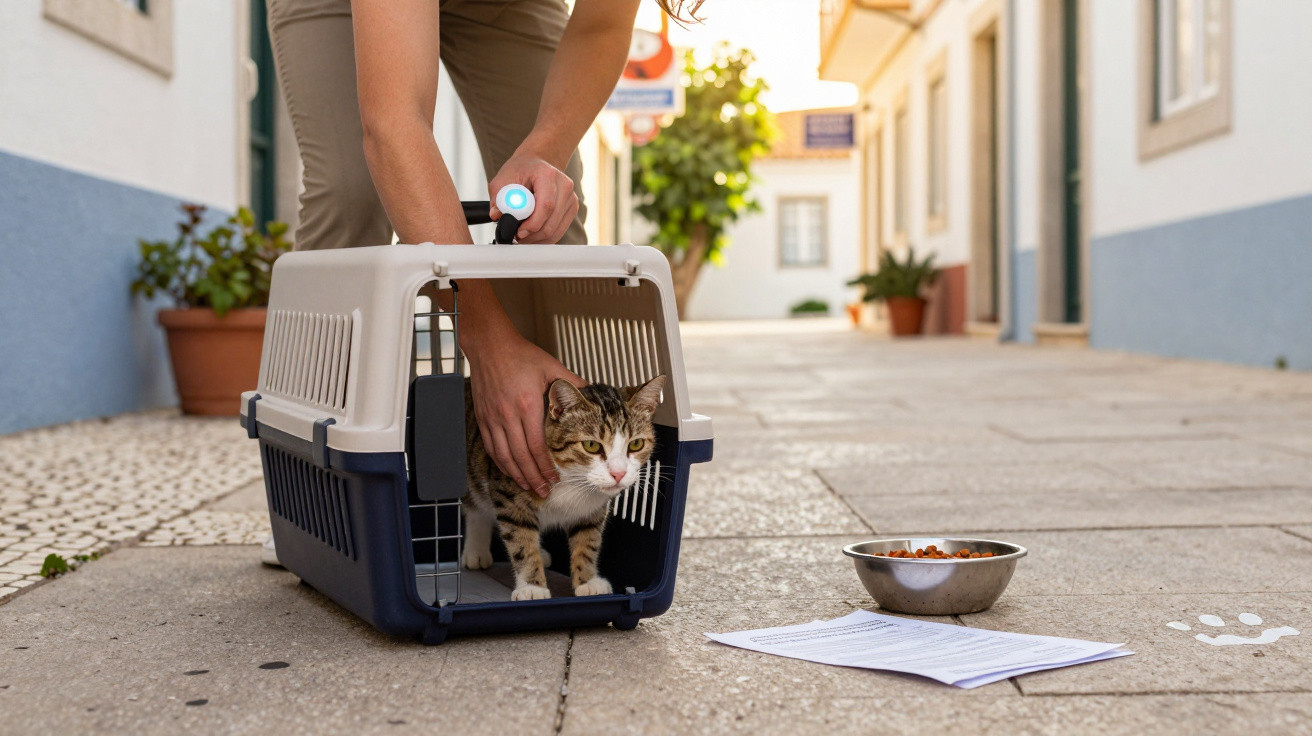
Most people respond in much the same way: they take out a bowl, fill it with kibble or scraps, and feel they have done something worthwhile. The cat gulps it down, flicks its tail and vanishes into the darkness again. But when this pattern continues throughout winter, it seldom alters the animal’s future.
Feeding keeps a stray alive, but it doesn’t get them out of danger
Leaving food for a stray cat is compassionate, but it is only a temporary fix for a far deeper problem. Living on the streets exposes cats to traffic, infections, fights, frostbite and, all too often, another generation of kittens born into the same hardship.
There is a painful contradiction: keeping an unneutered cat fed may enable it to survive and breed repeatedly. What begins as a small kindness can unintentionally contribute to overpopulation, illness and abandonment in the local area.
Giving food helps tonight; taking responsibility changes the rest of the cat’s life.
The genuine change happens when we move beyond being simply “feeders” and become protectors. That involves looking beyond the back door and taking action through a veterinary practice or local animal charity.
The first decisive step: secure the cat and check for a microchip
A cat roaming in winter is not necessarily homeless. It may be lost, confused, or have escaped from a recently moved-to home and be unable to return. Before deciding a cat has been “abandoned”, it is essential to establish whether somebody is searching for it.
Why microchipping changes the whole story
Across many European countries, France included, cats are expected to be identified by a microchip or tattoo. A rapid scan at a veterinary clinic can show:
- whether the cat belongs to someone
- whether its owner has registered it as missing
- whether there are medical warnings, including chronic conditions or medication requirements
The process generally takes under a minute and is often free when a found animal is brought in. Failing to do it may leave a family searching for months while their cat is being fed only a few streets from home.
How to catch a wary stray without causing panic
Trying to chase a scared cat around a garden is rarely successful and may end badly for both the person and the animal. A safer option is a humane capture trap, such as the metal traps used by rescue groups. Many councils, veterinary practices and charities can loan one and explain its proper use.
Securing the cat once, properly, allows you to answer the key question: is this animal already someone’s responsibility?
Set the trap with food in a quiet, protected location. Once the cat walks in, the door shuts gently behind it. This is not intended as punishment, but as a safe way to transport the animal. The cat can then be taken to a vet for identification and a health assessment.
Why sterilisation and vaccination are non-negotiable for street cats
If the microchip check finds no owner, the cat is effectively without a legal guardian. This is the point at which your help can make a lasting difference, not only for that cat but for many others too.
Feeding an unneutered cat fuels the crisis
Cats reproduce quickly and relentlessly. One female may have several litters in a single year. Many kittens born outdoors never reach adulthood, dying from cold, infection or traffic. The ones that do survive perpetuate the same cycle.
Neutering - spaying females and castrating males - interrupts that pattern in a single decisive action:
- Fewer litters: no more kittens being born behind bins or beneath stairwells
- Less fighting: males tend to roam and fight less, and existing injuries heal more readily
- Reduced disease spread: fewer bites and matings lower the transmission of viral infections such as FIV and FeLV
- Calmer behaviour: neutered cats usually remain nearer to their food source and create fewer problems for neighbours
Neutering a stray doesn’t just “help”; it removes an entire branch of future suffering.
Vaccination: the invisible shield street cats rarely get
Outdoor life leaves cats vulnerable to viruses that can spread swiftly through colonies, including typhus, cat flu (coryza) and others. Giving a basic course of vaccinations while the cat is already in care for neutering offers it a better chance of surviving the following winter.
Some councils and charities operate “trap-neuter-return” (TNR) schemes, combining trapping, sterilisation, vaccination and identification. Contacting one does more than seek support for “your” stray: it connects you to a system designed to manage whole populations of street cats humanely.
Return to territory or foster care: reading the cat’s true nature
After the veterinary work is complete, the difficult question is what should happen next. The answer depends not so much on what you would like, but on the cat’s own temperament.
| Cat profile | Typical behaviour | Best outcome |
|---|---|---|
| Feral cat | Hisses, swats, avoids eye contact, panics in confined spaces | Return to its territory as a monitored, neutered “community cat” |
| Stray but social | Approaches humans, purrs, allows touch after a short time | Placement via rescue, foster home, or adoption |
| Former pet in shock | Initially fearful, but relaxes gradually indoors | Rehabilitation in a calm home, then rehoming if no owner found |
Keeping a genuinely feral cat shut inside a flat can itself be cruel: it may spend years hiding away, stressed and withdrawn. For these cats, neutering, vaccination and return to a safe feeding site is often the most respectful outcome.
By contrast, a friendly cat seeking human contact is unlikely to cope outdoors. Returning it to a car park is rather like putting a sofa cat onto a motorway. This is where local rescues, foster networks and shelters become essential partners.
From feeder to protector: what taking real responsibility looks like
Changing one cat’s circumstances commonly requires several calls, two or three visits to the vet and some paperwork. It demands more than refilling a bowl in the garden, but its effect reaches much further than satisfying hunger.
The real act of kindness is not leaving food by the door, but breaking the whole cycle of abandonment, illness and overpopulation.
If you do not know how to begin, rescue organisations often welcome people able to take on just one link in the process: offering a secure garage for a trap, transporting animals to and from clinics, raising money for neutering, or fostering recovered cats for several weeks.
Practical scenarios: what to do when a stray keeps coming back
Scenario 1: the shy regular visitor
A thin tabby turns up every few nights, eats rapidly and runs off whenever you move. In this situation:
- contact a local rescue or council to borrow a humane trap
- arrange a capture evening when you can visit the vet the following morning
- once veterinary care is complete, return the cat to the same location if it is feral and healthy
You can continue providing food, but you will now be feeding a neutered, vaccinated cat that cannot produce further litters.
Scenario 2: the cuddly “stray” on your doorstep
A well-fed, affectionate cat suddenly appears and tries to come indoors. Rather than immediately presuming it has been abandoned:
- look for a collar and telephone number
- ask nearby neighbours whether they know the cat
- take it to a vet to have it scanned for a microchip
If reasonable checks fail to locate an owner, you can then consider adoption or approach a rescue organisation. Missing out these stages could mean accidentally “stealing” a lost pet.
Key terms and quiet risks worth knowing
“Community cat” is a term often applied to neutered cats living outdoors that are monitored and fed by residents or charities. They are neither entirely wild nor fully owned, but have recognised status and commonly have a tipped ear or microchip indicating that they have gone through a TNR scheme.
From a medical perspective, viruses such as FIV, often known as cat AIDS, and FeLV, or leukaemia, can be transmitted through bites, mating and close contact. They cannot infect humans, but can cause prolonged and painful disease in cats. Stabilising a group of neutered, vaccinated community cats reduces the number of high-risk encounters in the area.
There are legal considerations as well. Deliberately abandoning a cat is an offence in many places. Councils sometimes recognise managed colonies, meaning a neutered cat returned under a programme is legally protected. Working alongside official schemes safeguards both the animal and you as its carer.
For anyone already under pressure, accepting “one more responsibility” may seem daunting. However, moving from casual feeding to organised action, even on one occasion, has a knock-on effect: fewer kittens crying in alleyways, fewer ill adults struggling across roads, and fewer distressing choices in overcrowded shelters.
The next time that familiar outline appears in the light from your porch, the question is not simply “Do I have any food left?” but “Am I ready to help this cat for more than one night?” One telephone call and one veterinary appointment at a time, the answer can transform hundreds of small lives you will never encounter.

















Comments
No comments yet. Be the first to comment!
Leave a Comment