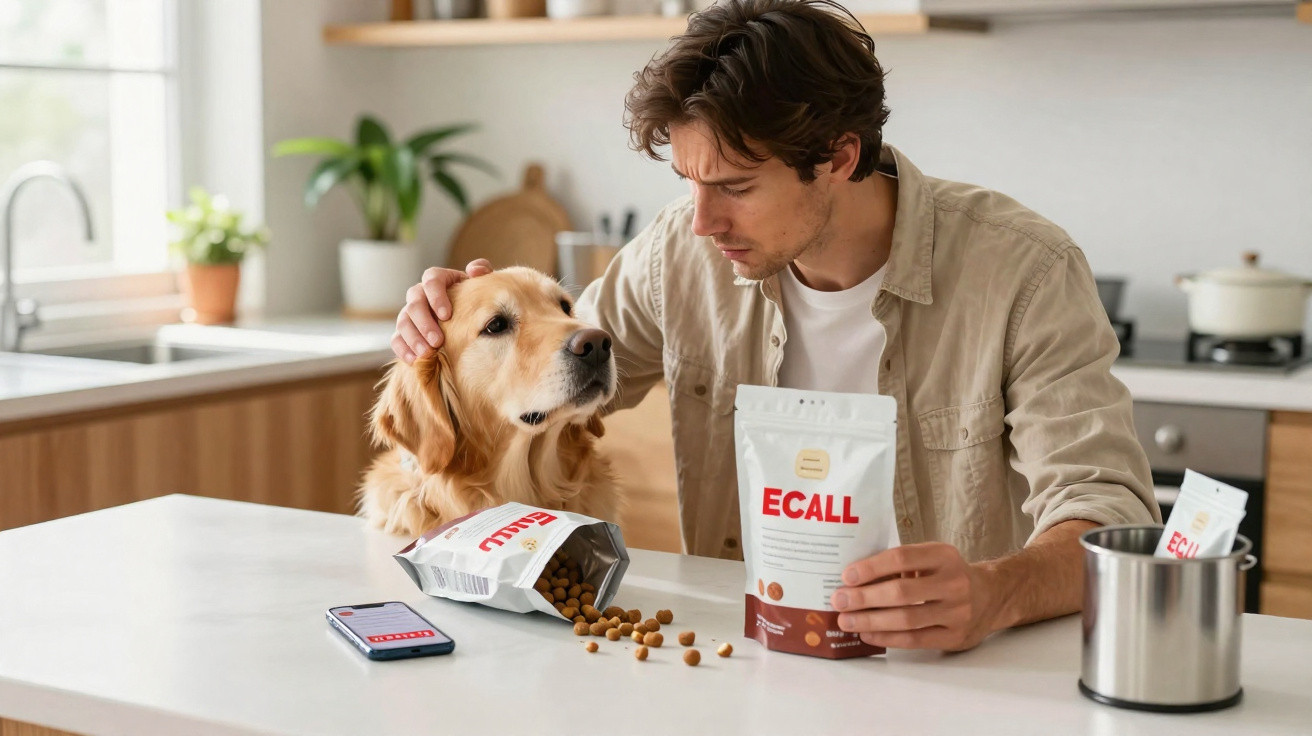
A single batch of chicken-chip dog treats, distributed in five states, has been found to contain Salmonella and removed from sale.
The recall turns a routine pet reward into a health issue for everyone in the household, not only dogs.
Details of the recall
The affected packets are marked with lot number 24045 and an April 2027 expiry date, limiting the concern to one specifically identified batch.
The Food and Drug Administration (FDA) recorded the contamination and published the recall after an independent laboratory found Salmonella in a related batch that had not yet been released.
Because the batches came from the same production line, the result connected confirmed contamination with treats already available in shops.
No illnesses have been reported, but confirmation that the bacteria were present created a definite exposure risk requiring prompt action.
Distribution of the treats
Florida Hardware, a distributor based in Florida, sent the recalled treats to feed shops in Alabama, Florida, Georgia, North Carolina and South Carolina.
This type of distribution network can leave customers uncertain, as the alert relies on a small code that many shoppers do not normally inspect.
Buyers are more likely to notice the lot number when examining the rear label than while purchasing the product.
Beyond those five states, the recall was considerably less relevant, except where people had travelled with or shared treats between homes.
What Salmonella is
In humans, Salmonella is a bacterium capable of causing severe diarrhoea, usually beginning as an abrupt and unpleasant stomach infection.
Once ingested, the germ can establish itself in the intestines and inflame their lining, causing cramps and watery stools.
US health authorities estimate that roughly 1.35 million infections occur annually, with contaminated food responsible for most cases.
Healthy adults generally recover, but children under five, older adults and people with compromised immune systems are at greater risk.
Symptoms in dogs
Dogs that become infected may appear lethargic and lose interest in food before developing diarrhoea, fever or vomiting after consuming contaminated treats.
Gut bacteria can be shed in faeces or saliva, meaning an apparently healthy dog may still transmit germs.
Some dogs also experience lethargy and bloody diarrhoea, while abdominal discomfort may cause them to refuse food.
Anyone who believes their dog may have been exposed should contact a veterinarian, as even mild cases can make a household a route for transmission.
How people are exposed
Bacteria can transfer to hands when a contaminated treat is handled, allowing a quick dog snack to expose a person.
Bowls, utensils and worktops can also be sources of exposure, as the germ may remain there until someone touches their mouth.
Symptoms most commonly include diarrhoea, fever and stomach cramps, often appearing within six days of infection.
On rare occasions, the infection moves beyond the intestines and causes blood, bone or joint complications requiring medical treatment.
Lowering the household risk
Anyone who has a recalled packet should stop using it and dispose of it safely, before following standard pet-food handling advice.
“Wash and sanitize pet food bowls, cups, and storage containers,” the FDA recall alert said.
“Always ensure you wash and sanitize your hands after handling recalled food or any utensils and surfaces that come in contact with recalled food,” the recall alert said.
Careful cleaning is important because germs can travel from a dog-treat packet to a worktop and ultimately to someone's mouth.
Detecting contamination early
Independent laboratory testing can provide an early warning, enabling companies to identify contamination before pets become ill.
When testing identifies a germ in one batch, analysts may suspect that nearby machinery or ingredients also came into contact with other lots.
A recall can shorten the period of exposure even where illness has not been reported, which is important because bacteria may spread unnoticed through ordinary handling.
However, this approach can frustrate customers because warnings may arrive after treats have already been stored in cupboards or cars.
Previous Salmonella outbreaks
An investigation spanning several states linked pig-ear dog treats to 154 illnesses in people across 34 states between 2015 and 2019.
The results demonstrated how contaminated pet treats can move quietly from shop shelves into homes, making people ill far from the original place of purchase.
During interviews, many patients said they had been in contact with dogs, indicating that hands and surfaces may be as significant as the treat itself.
Laboratory testing detected Salmonella in 137 treats and four dogs, demonstrating that pets can be exposed to the same contamination source.
Rather than being confined to one shop, that outbreak continued for years and led several companies to issue recalls nationwide.
Keeping up with recall lists
At the time of the notice, no illnesses had been reported, although this may change as people identify possible links.
Contacting a doctor or veterinarian when symptoms develop helps public-health teams recognise patterns and alert others more quickly.
Receipts and packaging should be retained, as Elite Treats offered refunds for returned products and the packet displays the required code.
Reviewing official recall lists several times a month can stop a minor kitchen error becoming a larger problem.
A practical conclusion
This recall across five states illustrates how a pet snack can rapidly become a human-health concern through ordinary contact and cleaning practices.
Until the recalled lot has been removed from both shops and homes, thorough handwashing and cleaning of bowls provide a simple means of reducing the risk.

















Comments
No comments yet. Be the first to comment!
Leave a Comment