
Call his name once, then again. Tap the food bowl against the floor with an optimistic clink. Nothing happens. Your cat is in the adjoining room, his ears flicking while he carefully acts as though you are not there. You appear in the doorway with your sing-song voice prepared: “Miiiiilo?” He looks up, slow-blinks, and then deliberately washes a paw. Your well-rehearsed “cute human voice” has failed once more.
Yet a few hours later, you open a crinkly packet he adores and he charges over like a furry missile. Same cat, same flat, but an entirely different reaction. You begin to wonder: is he genuinely ignoring your voice, or are you simply using the wrong language?
Soon, patterns start to emerge. Certain sounds draw him in, while others disappear into the background.
The day you work out that code, calling your cat no longer feels like pleading.
Why your cat “ignores” you when you call
Watch someone call their cat and the routine is usually familiar: a high voice, their name drawn out, a few optimistic kissing noises, perhaps finger-clicking for extra effect. The person looks completely committed. The cat appears to be holding out for a more appealing proposition.
This is usually less about rudeness than filtering. Cats inhabit a world full of tiny, continuous noises: birds beyond the window, pipes inside the walls, a neighbour’s dog three floors below. To cope, they must disregard nearly all of it. Your voice enters an already crowded soundscape, and only particular sound patterns stand out.
Seen from that perspective, their “selective hearing” seems far more deliberate.
A small University of Tokyo study illustrates this with one straightforward finding. Researchers played recordings of people saying a cat’s name, beginning with strangers and then the owner. When their own human spoke, the cats moved their ears, turned their heads and showed greater pupil dilation.
The catch was that most of the cats did not stand up and approach the person. They had heard and recognised the voice; they simply… did not want to respond. This is the point at which many owners think, “He doesn’t listen to me,” while the cat is quietly assessing something else: “Does this sound predict anything good for me?”
One woman I interviewed found this funny. She had been convinced her cat could not hear her voice until she accidentally linked his name to the fridge door opening. After that, “Nori!” followed by the gentle click of the fridge would have him trotting over every time, as though they had practised it together.
Once you grasp this, the reasoning becomes more obvious. Your cat is not a miniature furry dog with poorer manners. Dogs were bred to react to human signals; cats were not. Their survival approach involved staying safe, saving energy and choosing their opportunities.
Calling your cat is not really issuing an instruction: it is negotiating. The word itself matters less than the association attached to the sound. Over time, cats form a basic mental calculation: “When I hear that noise and go to that person, does something good happen for me? Or is it nail-clipping time again?”
That calculation determines everything. If you begin shaping it intentionally, “come here” can stop sounding like a request and start becoming a habit.
How to call your cat so they actually come
First, select a single sound that means “come to me”, then use it consistently. It could be your cat’s name spoken in one distinctive way, a whistle, a rolled “pspsps”, or even two quiet tongue clicks. Consistency is what matters: use the same sound, in the same tone, every time you want your cat to approach.
Next, connect that sound with something your cat loves. Small food rewards are especially effective: one piece of dry kibble, a tiny bit of treat or a lick of wet food from a spoon. Make the sound once, pause briefly, then place the reward where you are standing. Allow your cat to find it without any pressure.
Do this in brief spells a few times daily. It need not be a formal training session, just little rituals built into everyday life. This is how you sneak a response pattern into their lazy, clever brain.
Many of us fall into a trap without realising it: we only call the cat when something slightly unpleasant is about to occur. It is carrier time, claw-trimming time or the end of balcony time. By the third or fourth occasion, your cat has understood the pattern much better than you have. Your voice now means “end of fun”.
For one week, try reversing that association. For three days, call your cat only when there is a positive reason: gentle brushing they truly enjoy, a feather-wand play session or that particular treat you do not usually offer. You may spot a subtle change: ears twitch sooner, hesitation becomes shorter, and their body begins leaning towards you rather than away.
Realistically, nobody manages this every day. Life gets busy. Even so, a few moments of “I called you and something nice happened” can change the emotional tone of your voice.
“Cats don’t obey, they choose. If you want them to come when called, you don’t need dominance. You need a reliable promise,” says veterinarian and feline behavior consultant Dr. Claire Delvaux.
- Use one specific sound
Link it to your cat moving towards you, rather than to everyday chatter. - Keep your tone light
Calling sharply or impatiently makes your voice easier to dismiss as background noise. - Pay with something they value
Offer food, play, a window perch or simply entry to a favourite room. - Protect the “magic word”
Do not use it immediately before stressful experiences such as nail trimming or medication. - Practise in easy moments
Begin when your cat is already somewhat interested, rather than deeply asleep or stressed.
Living with a cat who actually listens (most of the time)
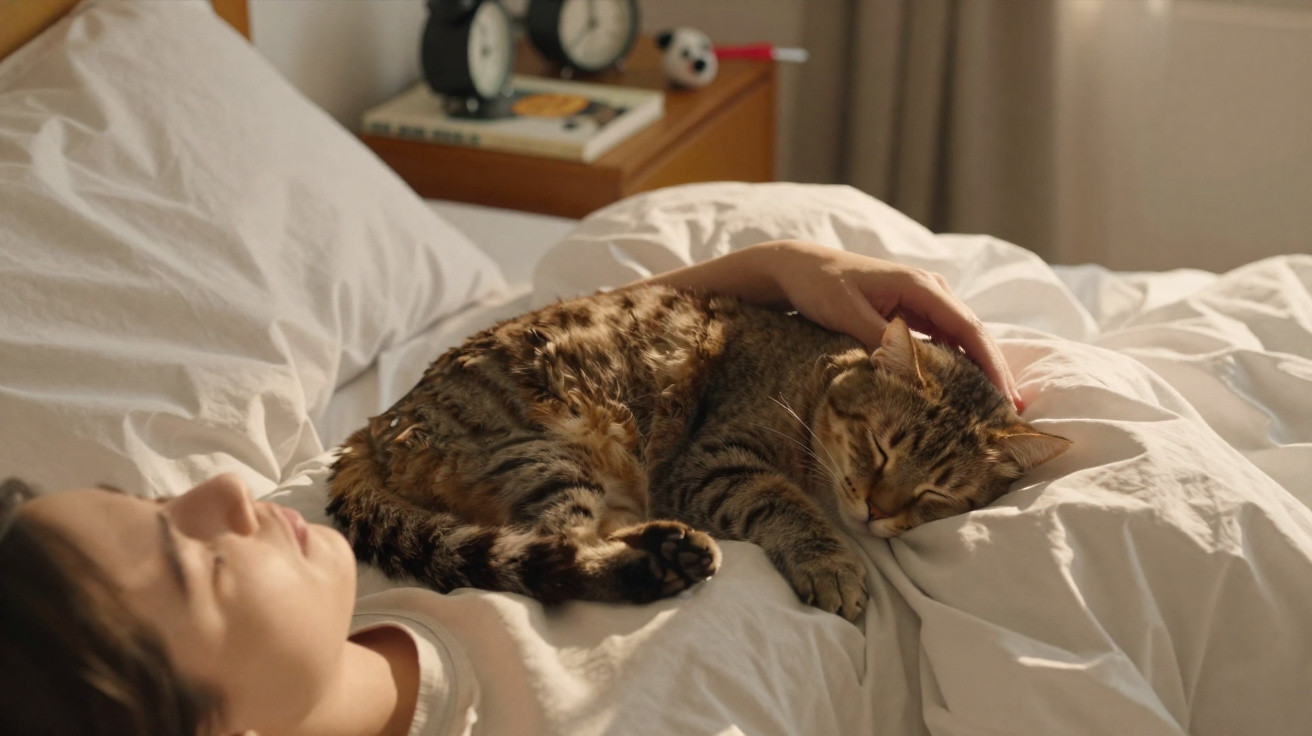
When your call starts to carry meaning for your cat, you may notice small changes in your routine together. Say their name from the sofa and, rather than receiving complete silence, you may see a head appear around the corner. It will not happen every time or perfectly, but often enough for it to feel like a conversation instead of a monologue.
Some owners call it a quiet change in respect, although that is probably not the right term. It is closer to mutual predictability. Your cat learns that your sound can be trusted, while you learn that their response depends on whether you have maintained that trust. The relationship as a whole becomes slightly easier.
Naturally, there will still be days when they do not come. The sunbeam may be too inviting or the cardboard box too enjoyable. That is perfectly fine. A responsive cat is not a robot; it is a cat with more reasons to say yes than no.
| Key point | Detail | Value for the reader |
|---|---|---|
| Use one consistent call | Repeat the same sound, tone and context every time | Helps your cat clearly connect that sound with “come here” |
| Pair call with rewards | Use food, play or access to something they enjoy | Makes coming when called a habit rather than a favour |
| Protect the positive association | Avoid making the call before stressful events | Stops your voice becoming a warning signal |
FAQ:
- Question 1 Can I train an adult or senior cat to come when called?
- Question 2 How long does it usually take before my cat starts responding?
- Question 3 Should I change the call sound if my cat ignores their name?
- Question 4 What if I need to call my cat for something they don’t like, such as vet visits?
- Question 5 My cat comes but stops halfway. What does that mean?













Comments
No comments yet. Be the first to comment!
Leave a Comment