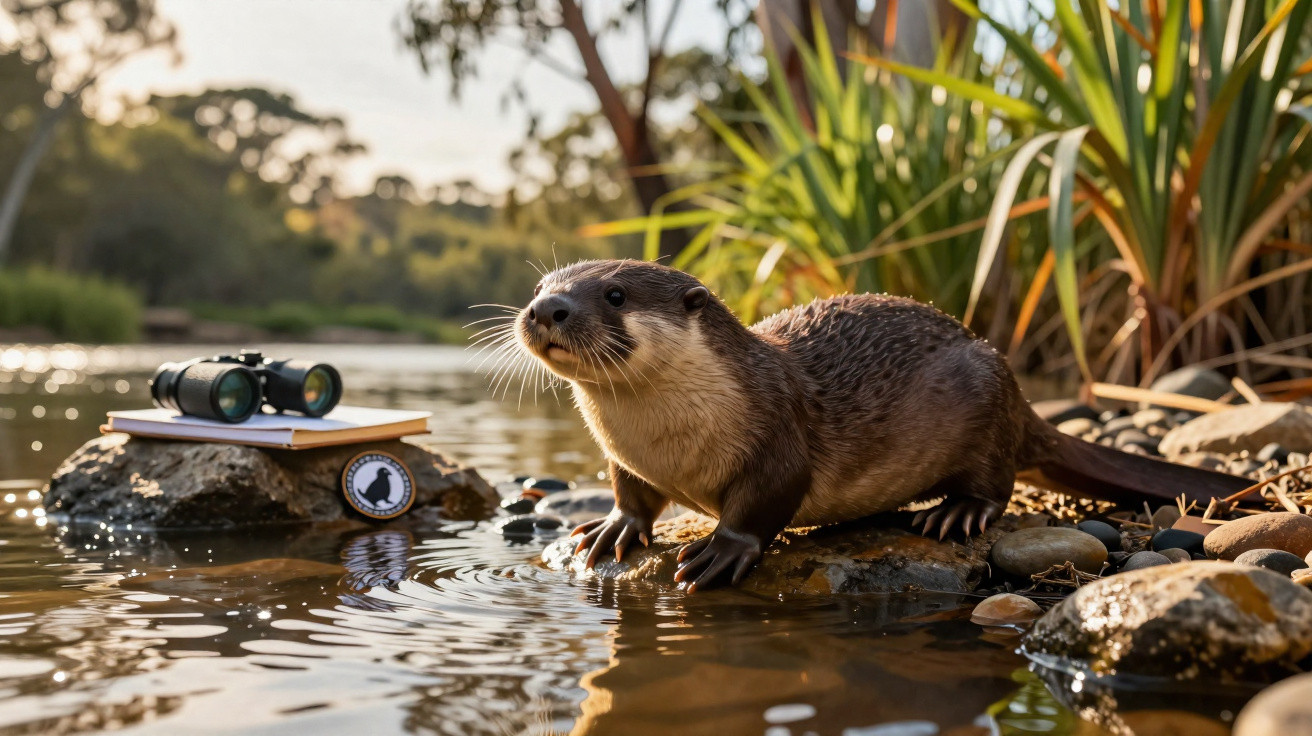
With a duck-like bill, a tail resembling a beaver’s and an otter-like body built for water, the platypus looks as though it were assembled from several different animals. Yet, despite its unusual appearance and egg-laying reproduction, it is a mammal with abilities that continue to surprise scientists.
What kind of animal is it?
The platypus inhabits rivers, lakes and streams in eastern Australia and Tasmania. Its body is covered in thick, waterproof fur, which helps it retain heat while diving. Webbing between its toes enables it to move swiftly through the water.
Although it may resemble several species, the platypus is not a combination of animals. Every feature developed through evolution to improve its chances of survival. Its tail stores fat, its bill assists it in finding food, and its body shape allows it to swim with minimal effort.
Why is it classed as a mammal?
Its egg-laying habit often causes confusion, but this does not prevent the platypus from being classified as a mammal. Once the young hatch, the mother produces milk to feed them. She has no nipples, so the milk is released through small pores in her skin.
The platypus belongs to the monotremes, a rare group of mammals that reproduce by laying eggs. Apart from platypuses, only echidnas are part of this category. These animals retain very ancient traits and help researchers gain a better understanding of mammalian evolution.
Which features make the platypus so unusual?
The platypus’s most striking body parts all serve practical purposes. Its bill, for instance, is not hard like a bird’s beak. It is flexible and sensitive, and can detect electrical signals created by the movements of small animals hidden on riverbeds.
- The bill detects prey even when its eyes are closed during a dive.
- The broad tail acts as a fat reserve when food is less available.
- Its dense fur prevents cold water from easily reaching the skin.
- Webbed front feet help propel the body through the water.
When hunting, the animal closes its eyes, ears and nostrils. Even so, it can locate larvae, crustaceans, worms and small aquatic animals. It stores food in cheek pouches before returning to the surface to chew its catch.
Watch the video shared by the YouTube channel PeritoAnimal, which presents facts and characteristics about platypuses.
Is the platypus venomous?
Male platypuses have a spur on their hind legs that can release venom. This mechanism is used mainly in disputes during the breeding season. The venom is not usually fatal to humans, but it can cause severe pain and require medical treatment.
This defence further adds to its reputation as a strange animal, as few mammals produce venomous substances. Even so, platypuses do not generally attack people. They are reserved animals, avoid close contact and will usually seek shelter when they sense a threat.
Why does this mammal need protection?
The platypus’s survival relies on clean rivers, protected banks and an adequate food supply. Pollution, prolonged droughts, dams and the destruction of vegetation can reduce the places where it finds shelter. Environmental changes also make breeding and raising young more difficult.
Learning about this animal is the first step towards appreciating one of the planet’s most extraordinary species. Protecting aquatic environments must begin now, before the platypus’s curious image becomes more common in books than in the rivers where it should continue to live.















Comments
No comments yet. Be the first to comment!
Leave a Comment