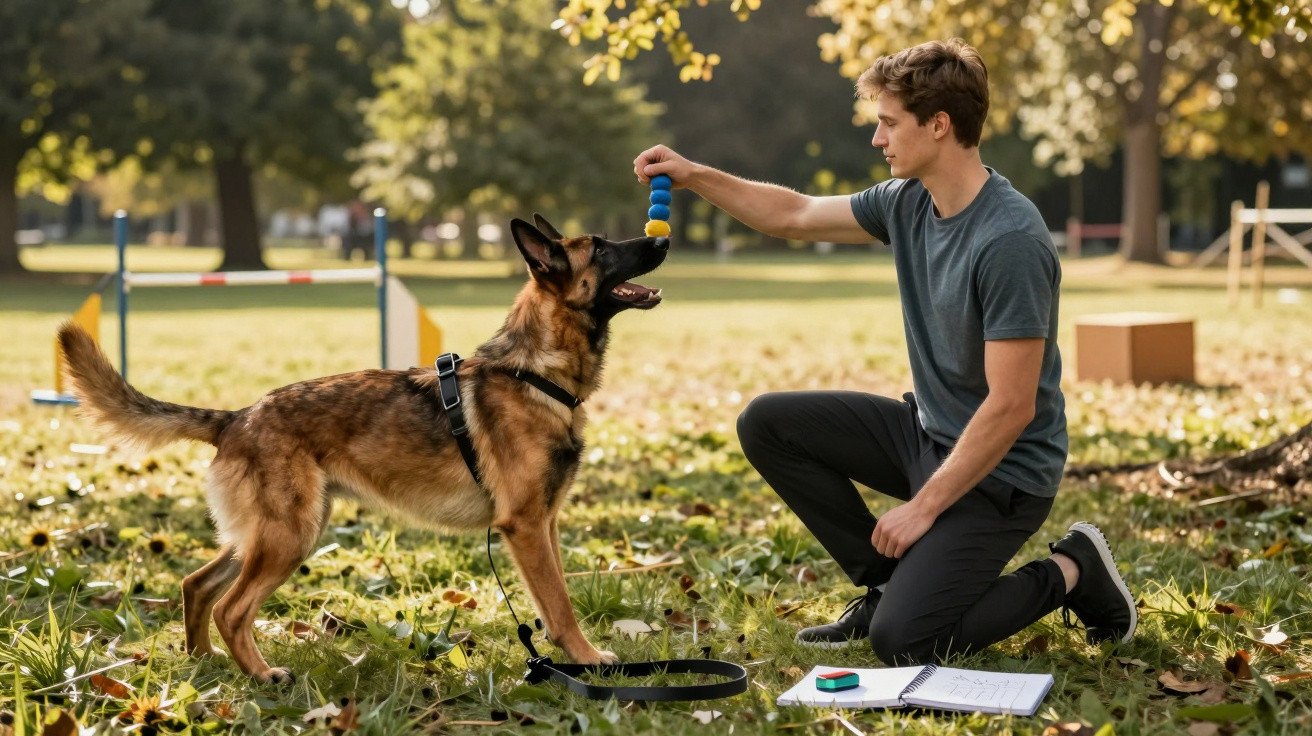
Lively, alert and exceptionally resilient, the Belgian Malinois Shepherd appeals to many families. Yet its day-to-day requirements are still frequently underestimated.
Its athletic build, watchful expression and reputation for being highly intelligent attract many prospective owners. However, welcoming a Belgian Malinois Shepherd involves far more than providing walks and affection. Historically bred to work, this dog needs time, consistency and a firm framework. Vet Amir Anwary therefore urges prospective adopters to fully assess what living with this breed entails every day.
A dog bred for action and thought
The Belgian Malinois Shepherd was not developed to spend long periods inactive in a flat or garden. It has impressive stamina, sustained focus and a remarkable ability to learn. These strengths explain why it is used by police forces, security services, search operations and certain rescue roles.
At home, those same characteristics can become challenging when they have no clear outlet. A Malinois quickly understands instructions, notices routines and may even anticipate its owner's movements. Such responsiveness calls for clear, consistent and patient training from an early age.
“The Belgian Malinois Shepherd does not merely need physical exercise: it also needs to use its intelligence every day.”
Amir Anwary stresses this point: behind the image of an obedient, impressive dog is an animal with very demanding needs. He explains that, with a full-time job, he would be unable to give one enough time. His message is not intended to diminish the breed, but to prevent adoptions made on impulse.
A walk does not always meet its needs
Taking a dog out in the morning and evening is essential. For a Malinois, though, this may not be enough. Even a long, calm lead walk does not always engage sufficient energy or concentration. It needs varied forms of activity, suited to its age, health and temperament.
A suitable routine can combine physical activity, learning and opportunities to settle. The aim is not to exhaust the dog at all costs. Instead, it is to offer balanced outlets that help it channel its energy without keeping it in a state of constant excitement.
Useful everyday activities for a Belgian Malinois Shepherd
- Short obedience exercises, practised regularly;
- Object searches or games involving hidden treats;
- Simple courses that build coordination;
- Walks in varied locations, when circumstances allow;
- Gradual training in lead walking and recall;
- Genuine rest periods away from continual stimulation.
These activities are not a substitute for support from a competent trainer when problems arise. They can, however, give the dog a meaningful role in the day. A Malinois often enjoys working alongside its person. It should therefore be given understandable rules and appropriate exercises, rather than simply being worn out.
Insufficient stimulation can lead to unwanted behaviour
Not every frustrated dog responds in the same way. Some become noisy; others grow restless, dig, chew objects or constantly seek attention. In a Belgian Malinois Shepherd, a lack of activity can result in destructive behaviour, marked agitation or difficulty settling down.
“When its needs are not met, that energy can work against the comfort of the household.”
This does not mean that every dog of this breed becomes unmanageable. Its environment, early experiences, training, health and the quality of its relationship with its owner all matter greatly. A well-supported Malinois can be extremely close to its family. Nevertheless, its balance depends on long-term commitment.
Socialisation is equally important. From the time it arrives, a puppy should gradually learn to encounter people, noises, vehicles, other dogs and different places. This stage must remain positive and carefully managed. Abruptly exposing a young dog to too many situations can have the opposite effect and create fears.
A decision to assess before adoption
Before bringing home a Belgian Malinois Shepherd, several questions deserve honest answers. How much time can realistically be devoted to it each day? What will happen on long working days? Are other members of the household willing to contribute to its training? Is there a reliable arrangement for holidays or unexpected absences?
A garden can offer additional comfort, but it does not solve everything. Leaving a dog outside alone is not an activity. Without interaction, training and accompanied outings, even a large space can become monotonous. Conversely, someone living in a city can meet their dog's needs if they carefully organise their days, walks and activities.
Signs of a well-prepared adoption plan
- Setting aside daily time for outings and training;
- Being willing to seek professional support when needed;
- Planning for veterinary, food and training costs;
- Choosing a lifestyle compatible with an athletic dog;
- Remaining consistent throughout the animal's life.
This breed also requires particular care when gradually increasing activity for a young dog. During growth, highly intense exercise or repeated exertion can place unnecessary strain on its joints. A vet can advise owners on an appropriate pace, diet and health monitoring.
Training does not mean taking a harsher approach
When faced with an energetic animal, some owners believe they must impose constant authority. That approach can weaken the relationship and increase stress. Effective training is based on stable rules, well-used rewards and suitable progression. The dog needs to understand what is expected of it without living in fear of making a mistake.
Working on recall, waiting, self-control and settling can transform daily life. These skills also provide practical safety during walks. A Malinois that starts to chase, or is aroused by rapid movement, may react intensely. It is better to prevent such situations through early training and careful management of encounters.
With the right support, the Belgian Malinois Shepherd can display great loyalty, attentiveness and companionship. Adopting one simply requires more than being won over by its appearance or reputation: it commits the household to an active, structured routine maintained over many years.

















Comments
No comments yet. Be the first to comment!
Leave a Comment