
The dog began twitching the moment the kettle clicked off. First, one ear jerked; then his left back leg made a quick little kick against the floorboards. It took less than three seconds, yet it was enough for his owner to look up from their phone, shrug, label it “weird dog stuff” and carry on scrolling. No apparent pattern. No apparent significance. Simply random.
But that very same dog had twitched in precisely the same way on each of the previous three occasions when the kettle boiled.
The same spot, the same noise, the same small kick.
Most of us share our lives with animals whose bodies send out quiet signals throughout the day. Tiny movements, slight changes in posture and recurring habits that barely catch our attention. We convince ourselves that we are seeing things, or decide that our pet is “just being weird”.
Then an animal behaviour scientist observes the same moment and says: that’s communication.
The “random” movement you notice may be a hidden pattern
Spend twenty minutes on a park bench watching dogs. As another dog comes closer, one turns his head away and then yawns far too broadly for such a peaceful afternoon. A pigeon fluffs its feathers, takes three deliberate steps to the side and relaxes only after a jogger has gone by. It does not seem important. Your brain files it as background activity, much like leaves shifting in a breeze.
Slow the scene down frame by frame, however, and a language begins to emerge. Small notes saying “I’m uncomfortable”. Brief disclaimers of “I’m not a threat”. Sharp alerts of “that startled me”. We overlook them because they appear minor and unconnected. The animals keep repeating them regardless. Their survival has long relied on bodies that communicate more quickly than voices can.
Scientists studying animal behaviour frequently begin with something we rarely do in everyday life: they count. One ear flick, then two, then three. One tail movement each second, followed by a pause. What looks to us like an unusual itch can reveal a rhythm to them. When you monitor when a behaviour occurs, what came immediately beforehand and what happens next, the supposedly “random” twitch often proves to have a trigger, an audience and a function.
How animal behaviour science interprets small signals
A familiar example is the “shake-off” that dog owners often insist happens without any reason. The dog is dry. Nobody has touched him. He gets to his feet, shakes his entire body from nose to tail, then strolls away as though nothing happened. Many people laugh and say he is “resetting his brain”, leaving it there. Because it looks amusing, almost like a cartoon, it is easily dismissed.
When ethologists recorded these shake-offs and plotted them on timelines, though, a recurring pattern became clear. Dogs commonly performed them after a stressful interaction. A stranger had leaned over them. Two dogs had met stiffly. A loud noise had startled the group. After the tension eased, the dog gave a vigorous shake, as if shedding static from his coat. This was not random. It acted as a physical “let it go” button: a means of releasing stress hormones and returning tense muscles to a neutral state.
Cats provide another frequently misread signal: the slow blink. It was once regarded as laziness or boredom. High-speed footage and controlled studies showed something else. When cats traded slow, purposeful blinks with people, their bodies became more relaxed, their heart rates steadied and they were more likely to approach. That brief narrowing of the eyes is a peace treaty, not a fault in the system. Research repeatedly returns to the same understated finding: animals continually use small, repeatable gestures to navigate relationships and regulate their own internal turmoil.
How to interpret the “random” signals your animal sends
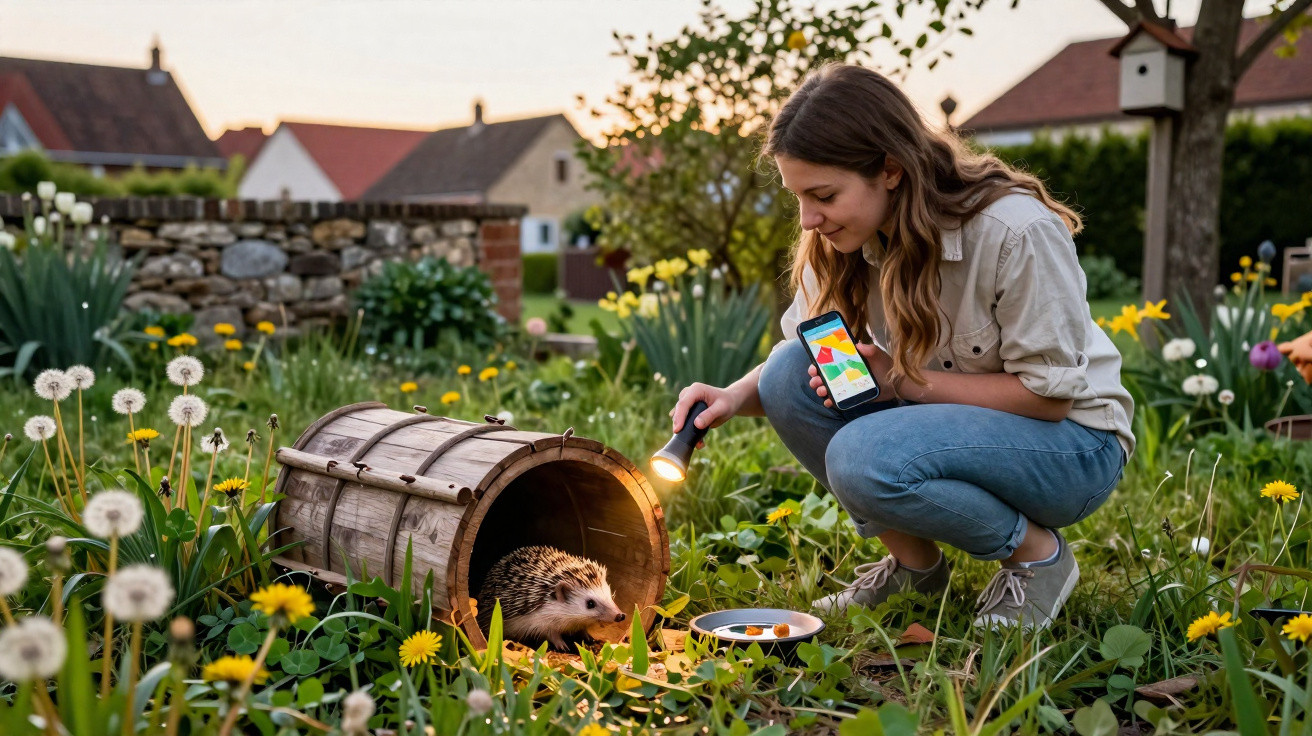
To start decoding these micro-messages, use an approach that is both unglamorous and effective: observe the same animal in the same situation on more than one occasion. Choose one behaviour that seems meaningless - a horse licking and chewing when there is no food, a parrot fluffing and then smoothing the same area of feathers twice, or your dog making the small tongue flick you have always considered simply “cute”. Then place it in context: what happened during the ten seconds before it, and what shifts in the ten seconds afterwards?
Looking through this before-and-after lens can transform your understanding. That tongue flick immediately after a stranger bends over your dog can seem less cute and more like a small flare of stress. The horse’s licking may occur whenever the trainer moves nearer, then disappear as the pressure reduces. The parrot’s feather routine may emerge whenever the room becomes louder. Build up these observations over days rather than minutes, and the patterns begin to line up quietly like railway carriages. The sense of randomness begins to fall away.
People often go wrong by assuming signals must be obvious, dramatic and identical across all animals. They are not. One worried dog becomes still, while another offers a false “play bow” as a nervous diversion. The usual error is to measure your animal against somebody else’s highlight reel rather than against its own behaviour yesterday. Let’s be honest: no one manages this every day. Life becomes busy, attention drifts and we return to familiar labels such as “stubborn” or “moody” because they are quicker than being curious. Set those labels aside for even ten minutes, and the behaviour in front of you may look less like a character flaw and more like a line of code waiting to be understood.
“The behavior you dismiss as random is often the animal’s most polite attempt to communicate,” says a behavior researcher I spoke with. “By the time you notice the big reaction, they’ve already tried whispering a dozen times.”
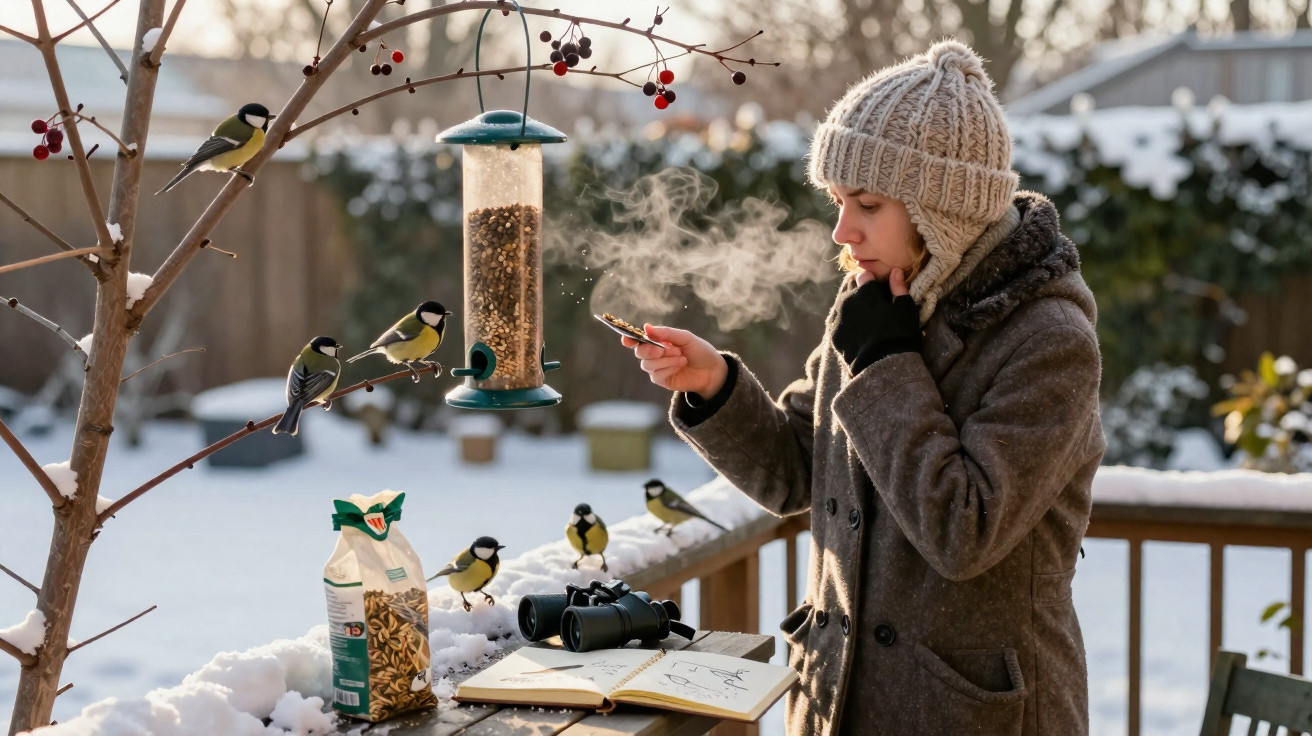
- Choose one “weird” behaviour you have routinely ignored, and record when it occurs for a week.
- Write down what altered immediately beforehand: a sound, distance, person, object or another animal.
- Search for repetition rather than intensity; subtle signals matter as well.
- Record brief clips on your phone, allowing you to watch them again without the emotions of the moment.
- If you are concerned, take that short record to a vet or behaviourist; it gives them a map rather than a guess.
Living with animal signals rather than surprises
A subtle but unsettling change takes place when you stop viewing your animal’s quirks as random. The world feels noisier, though in a gentle sense. That sudden tucked tail during a walk is not “overreacting”; it is a weather report. Repeated head-shaking beside the food bowl stops looking merely odd and may point towards an ear issue well before an infection worsens. The pig that pauses at the same gate each day is not being difficult; he is telling you that something has changed in his map of comfort.
We have all experienced the moment when a bite, bolt or meltdown seems to appear “out of nowhere”, leaving everyone distressed. Rewind the scene afterwards and small moments start to surface: the lip lick, the fixed stare, the slight lean away. Those were the warning signs. The body spoke quietly at first, then increased the volume when nobody responded. Science does not make you an animal whisperer; it simply provides more accurate subtitles for the film you are already watching.
Once you recognise that these creatures are not generators of random behaviour but pattern-makers with fur, feathers or scales, your role shifts slightly. You move from judging to observing. From “why are you like this?” to “when do you do this?”. The emotional benefit is less dramatic than viral videos, but much more lasting: fewer shocks, earlier support and less guilt afterwards. Some readers will close this tab and never revisit the thought. Others will see their dog twitch tonight and, for a moment, ask what story that body is trying to tell. That brief pause is often where a new kind of relationship starts.
| Key point | Detail | Value for the reader |
|---|---|---|
| “Random” behaviours often recur in particular contexts | Monitoring what occurs before and afterwards exposes patterns | Helps you identify stress, pain or confusion sooner |
| Small signals can become major reactions when ignored | Lip licks, shake-offs, freezing and blinks are early whispers | Lowers the risk of bites, bolting and emotional overload |
| Comparing your animal with itself is more accurate | Baseline behaviour makes minor changes easier to spot | Improves everyday decisions, training and welfare |
FAQ:
- Question 1: How can I distinguish random fidgeting from a meaningful signal?
- Question 2: Do some animals communicate more through body language than others?
- Question 3: Can misunderstanding these signals genuinely harm my pet?
- Question 4: Is recording and analysing my animal’s behaviour taking things too far?
- Question 5: If I spot a worrying new pattern, who should I speak to first?












Comments
No comments yet. Be the first to comment!
Leave a Comment