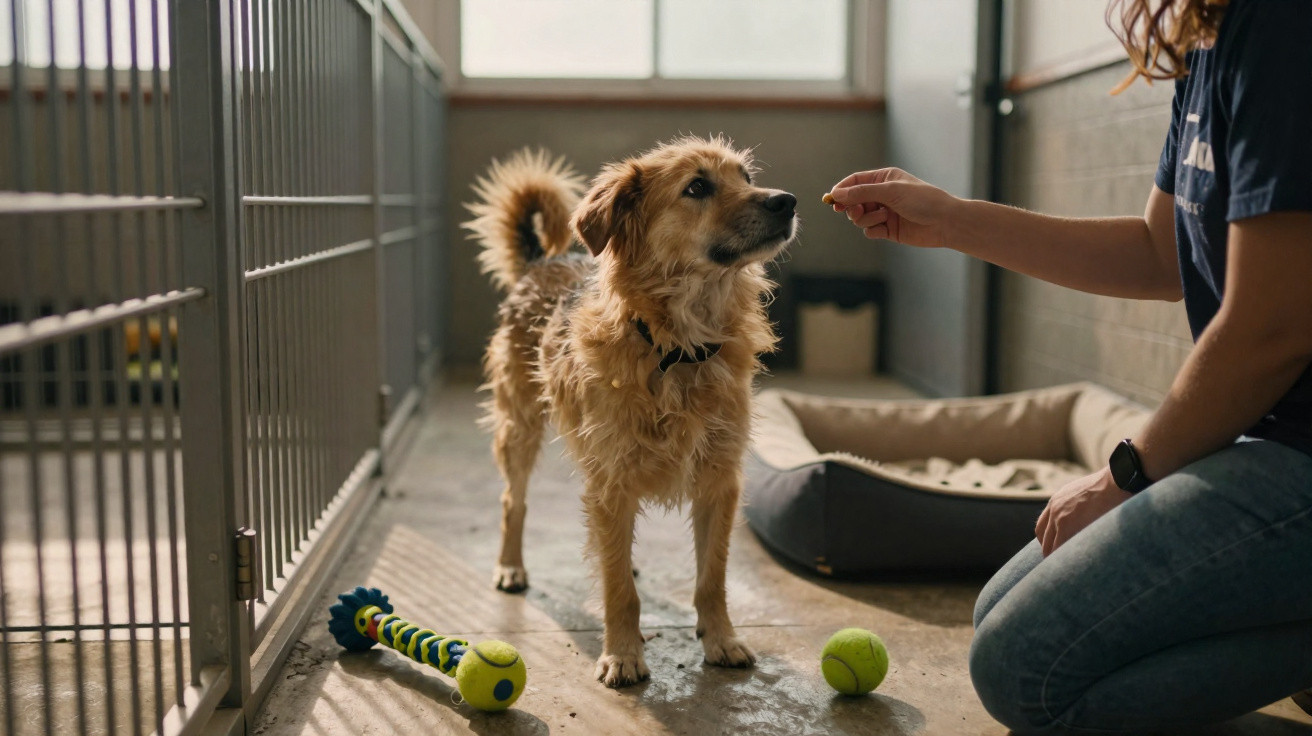
The dog began the morning as he had every morning before it: his nose against the kennel bars, ears lifting at each creak from the entrance door. Volunteers went about their work nearby, with the scent of disinfectant and dry food lingering in the air. None of it mattered to him. He watched one place only - the opening where unfamiliar faces appeared, smiling, uncertain, and sometimes already carrying a lead.
For months, that doorway had defined his entire world. A cough along the corridor, shuffling shoes or the rattle of keys made his body tense with anticipation. Perhaps this time. Perhaps today.
Then, one afternoon, something inside him simply… fell silent.
The exact moment hope lets go
You only recognise it if you have observed the dog over time. In the beginning, dogs in rescue kennels surge forwards whenever somebody walks past. They leap, bark and wag with such force that their whole bodies wriggle. The entrance is their sun, and everything they do revolves around it.
Then there is a peculiar, weighty day. The door opens and voices fill the passage, yet the dog does not rise. Instead, he faces away, folds himself into a corner on a thin blanket and looks at the wall. Life continues around him, but his gaze no longer tracks it.
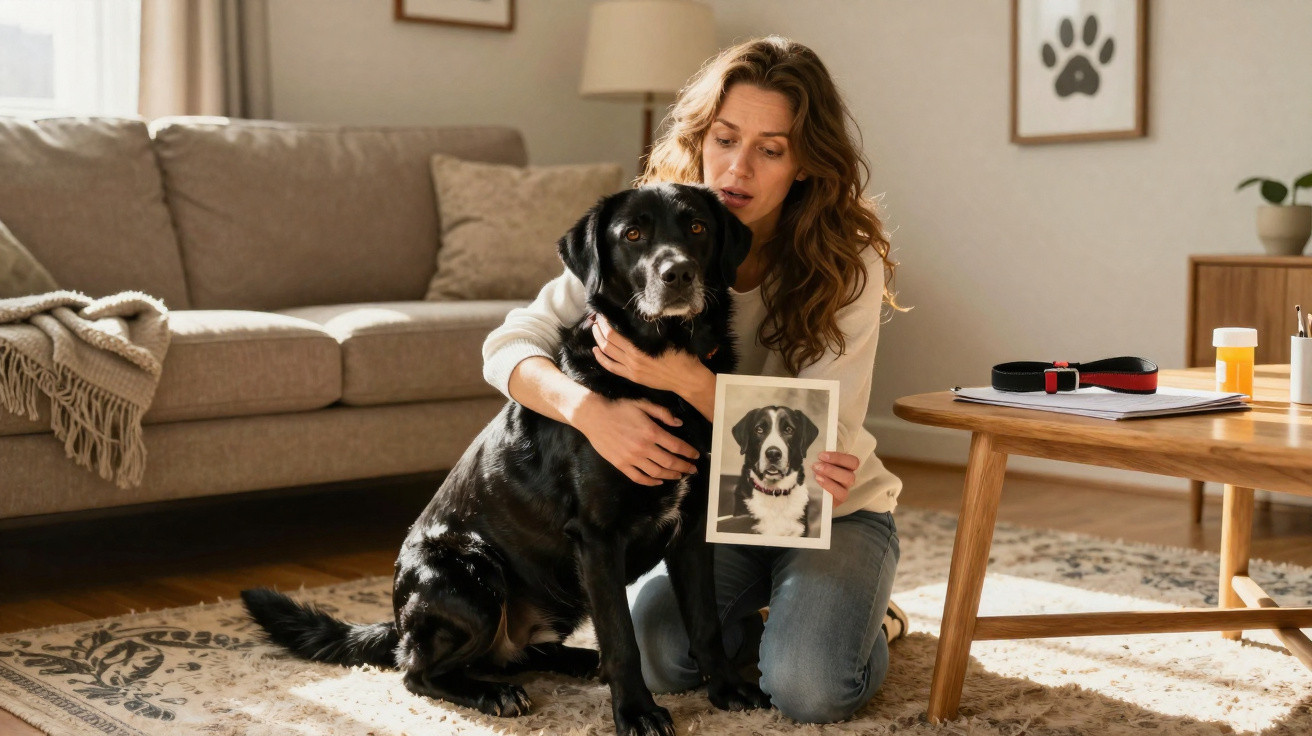
Speak to anyone who has worked in a shelter for years, and they will remember “their” dog who quit watching the door. It might have been an elderly black Labrador, passed over month after month. Families went by, children pointed at the puppies and papers rustled, while he still trusted that his moment would arrive.
Then, over one weekend, his kennel became still. There was no more pawing at the metal and no eager little dance when a new family paused outside. He remained on his bed with his head lowered, unmoved by the gate’s squeak that had once sent excitement through him. Staff immediately understood that something had changed - and not for the better.
This is not merely a sorrowful appearance; it is a psychological collapse. Dogs depend on routine and expectation. After spending months repeating the same hopeful pattern - the door opens, perhaps somebody will choose me - without that hope being fulfilled, they begin to shield themselves.
They effectively “turn off” the entrance. They avert their eyes and no longer check. In animal welfare, this is commonly known as kennel depression or learned helplessness. It can transform a bright, silly dog into a silent shadow that scarcely responds to the world. It feels like watching a light dim right in front of you.
How small gestures can pull a dog back from the edge
The encouraging part is that hope can return, one hesitant drop at a time. Shelters often counter this withdrawal by changing the meaning of the door. Rather than representing “another family that didn’t pick me”, it can begin to mean walks, treats, play and kind voices.
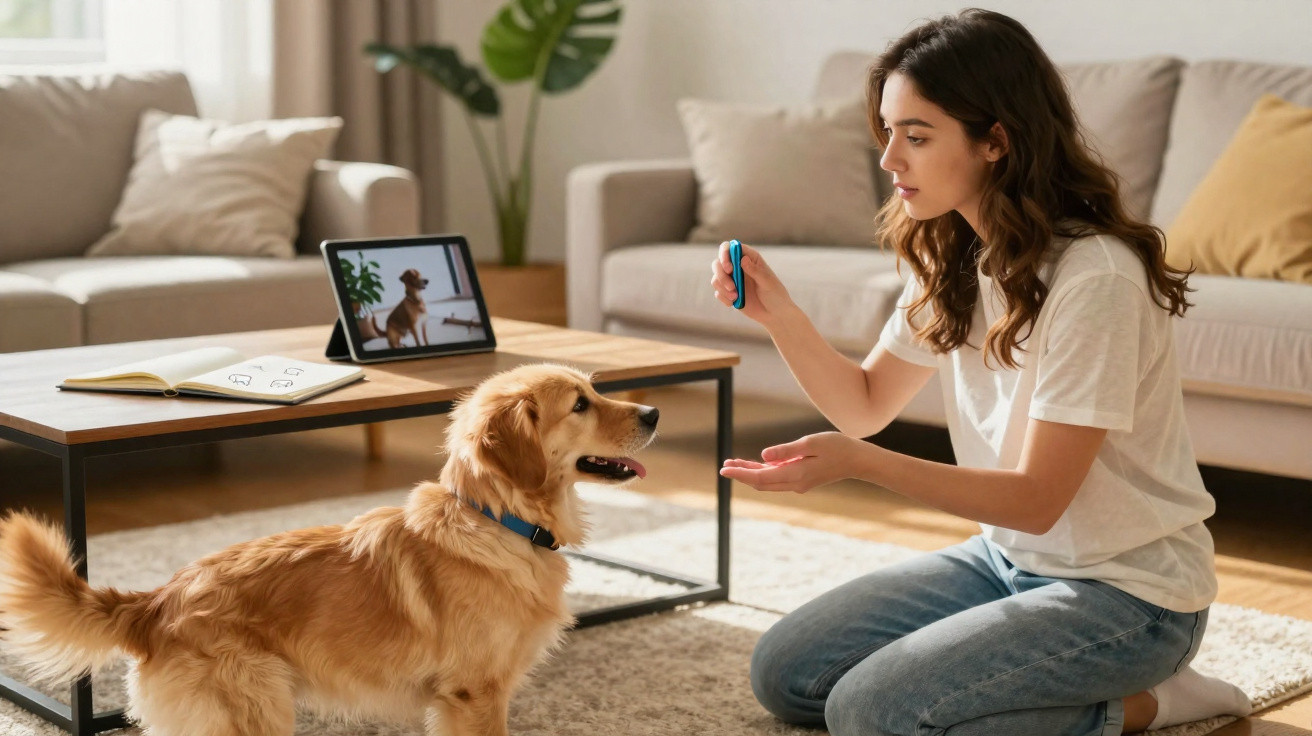
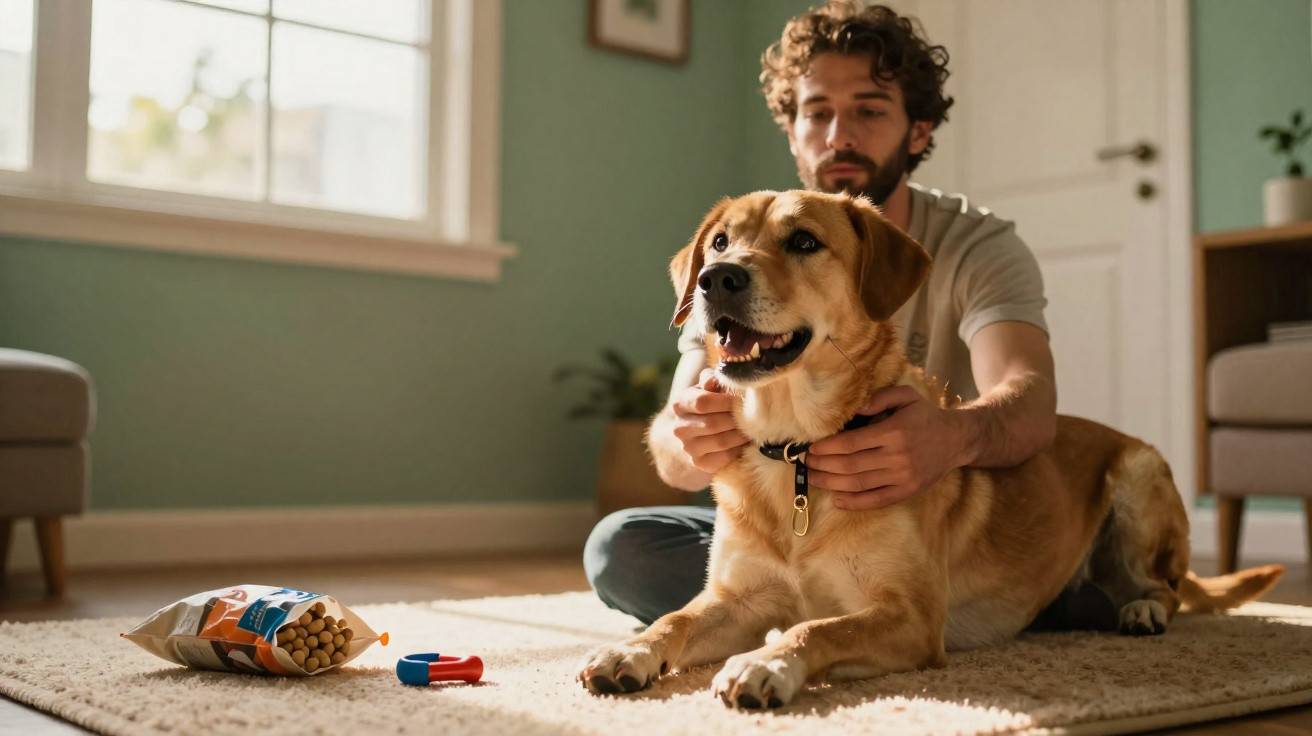
Volunteers learn not to simply walk past the despondent kennel. They stop, crouch down, say the dog’s name, offer a treat or just sit beside him and breathe. From the outside, it may seem insignificant. But for that dog, it can be the first break in the wall built around his heart.
Anyone who has visited a shelter knows how easy it is to fall into the pattern. Your attention is drawn towards energetic puppies and dogs who appear to plead, loudly and sweetly, “Pick me!” The silent dogs at the back are quickly judged as timid or “not a good fit”, often without anyone understanding the reason.
A small change in your behaviour can make all the difference. Pass the noisy kennels and pause at the one where the dog no longer watches the entrance. Sit side-on, do not stare, and use a quiet voice. After several minutes, you may notice it: the slightest tail movement, a quick sideways look or one cautious step nearer. That first look back towards the door is often the start of a recovery.
Shelter workers often share one simple truth in hushed voices: the dogs that need you most are often the ones you notice least. When a dog stops watching the door, they are not “fine”; they are surrendering hope.
That is also why many shelters now provide enrichment plans and foster schemes. Toys rotated regularly, scent-based games, brief excursions and temporary homes all interrupt the pattern enough to prevent a dog’s mind from sinking into that grey, numb state. Hope isn’t always fireworks; sometimes it’s ten minutes in the grass behind the building, away from the echo of slamming doors. Often, that is precisely what helps them return to the entrance, their eyes searching once more, even if only a little.
What you can really do when a shelter dog has stopped waiting
If you want to support a dog who no longer watches the entrance, consistency is the most powerful gift you can offer. A single visit is kind; weekly visits can transform a life. Choose a dog who appears withdrawn and ask shelter staff whether you can join their “circle” - the small group of people who regularly walk, groom or train that animal.
Begin gently. Sit calmly near the kennel, read aloud and allow the dog to smell your hand through the bars without any pressure. Later, take short walks using the same route, at the same time and with the same soft manner. In time, your arrival can become the dog’s new “door”: a reliable opening in days that otherwise feel grey and repetitive.
We have all felt that moment of wanting to help but becoming stuck, worried about doing harm or feeling too deeply. Many visitors make the mistake of believing they must solve everything immediately: adopt on the spot, give vast sums of money or become a superhero. Honestly, nobody can do that every day.
What truly helps dogs like this is ordinary people doing one modest thing repeatedly. It could be a ten-minute walk after work, sharing a photograph and story on social media, or sponsoring a “long-timer” so that their adoption fee is paid. The goal isn’t to rescue every dog, it’s to stop this one dog from fading out behind the bars.
Sometimes, as one shelter director told me, “The saddest thing isn’t when a dog cries at the door. It’s when he stops. That’s when we move heaven and earth to remind him someone is still coming.”
- Pick one overlooked dog and ask for their story, including their age, fears and favourite things.
- Provide regular contact on the same day and at the same time, even if you only sit nearby.
- Post about that particular dog online using truthful, specific information rather than simply calling them “sweet and friendly”.
- Find out whether the shelter needs enrichment support, such as toys, snuffle mats or puzzle feeders.
- If you cannot adopt, think about fostering in the short term to give that dog time away from the kennel.
A dog’s silent decision, and what it says about us
The devastating moment when a shelter dog stops looking towards the entrance is not only an animal welfare story. It reflects our rush, our distractions and our tendency to pass by what feels too difficult to confront. Every time a dog turns from the door, countless footsteps have already gone past without pausing.
But those same footsteps can choose another direction. A family who came “just to look” may stop at the quiet kennel. The runner passing the shelter each evening could give twenty minutes on Tuesdays. Someone scrolling through endless cute videos may share the post about the dog who has waited 300 days.
There is no tidy lesson here, nor any promise that every dog who stops hoping at the entrance will be rehomed. Reality is more complicated. Yet whenever someone sees that motionless body at the back of a kennel and decides to do something - however small - something changes.
Perhaps the dog raises his head when the door opens again. Perhaps his tail begins to wag. Perhaps he travels down that corridor not to another cage, but to a car, a garden and a bed beside someone’s own. And perhaps, when that entrance next creaks, it will no longer sound like a broken promise, but the beginning of a new story that somebody finally found the courage to create with him.
| Key point | Detail | Value for the reader |
|---|---|---|
| Notice the “quiet” dog | Dogs that no longer watch the door are often at the greatest emotional risk | Helps you look beyond the loud kennels and direct your attention where it is needed most |
| Consistency beats intensity | Frequent, small visits and walks restore trust and hope gradually | Makes helping seem achievable, even when life is busy |
| Share specific stories | Genuine details and photographs of long-term residents improve their adoption prospects | Offers a practical, low-cost way to influence a dog’s future using your phone |



Comments
No comments yet. Be the first to comment!
Leave a Comment