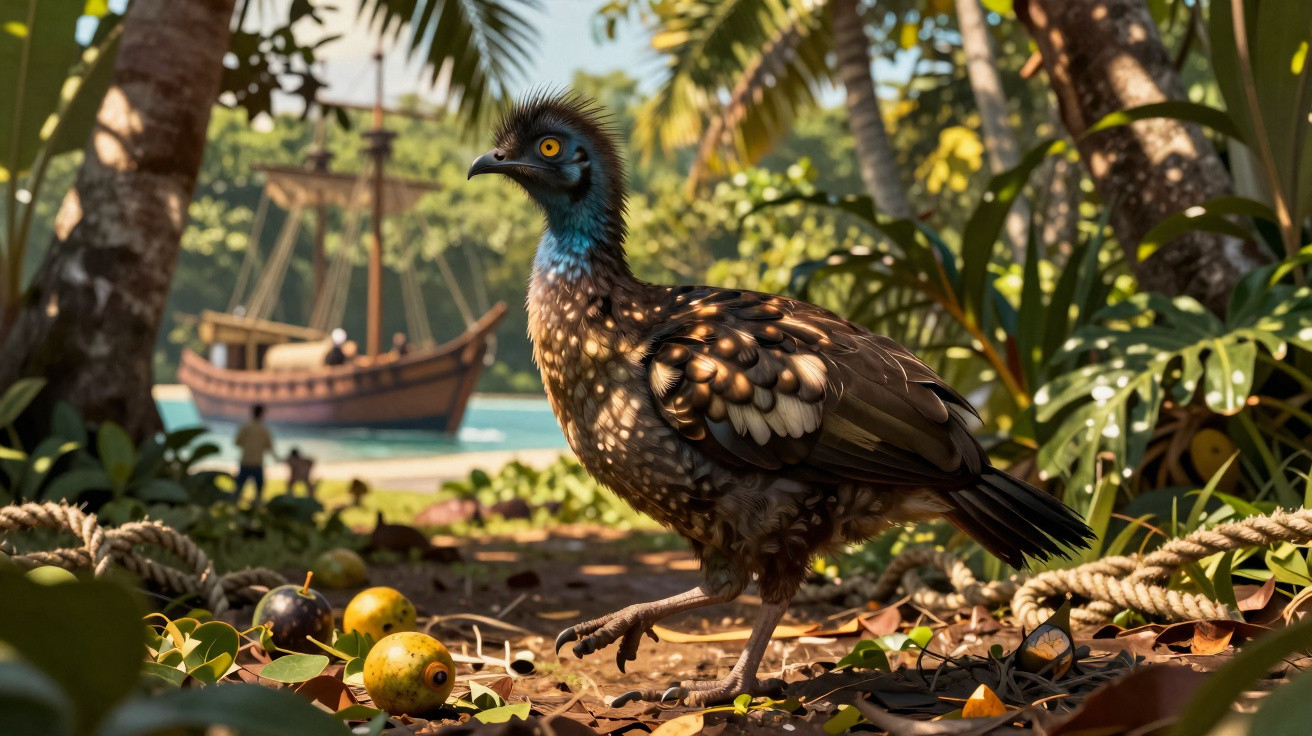
Images of dodos can make them look comically foolish, and their name has become synonymous with insults such as ‘dolt’ and ‘boofhead’. Yet the dodo’s story may be a clearer example of victim blaming.
Having reviewed 400 years of literature, UK researchers are trying to correct the record: dodos were neither slow nor stupid.
What the evidence says about dodos
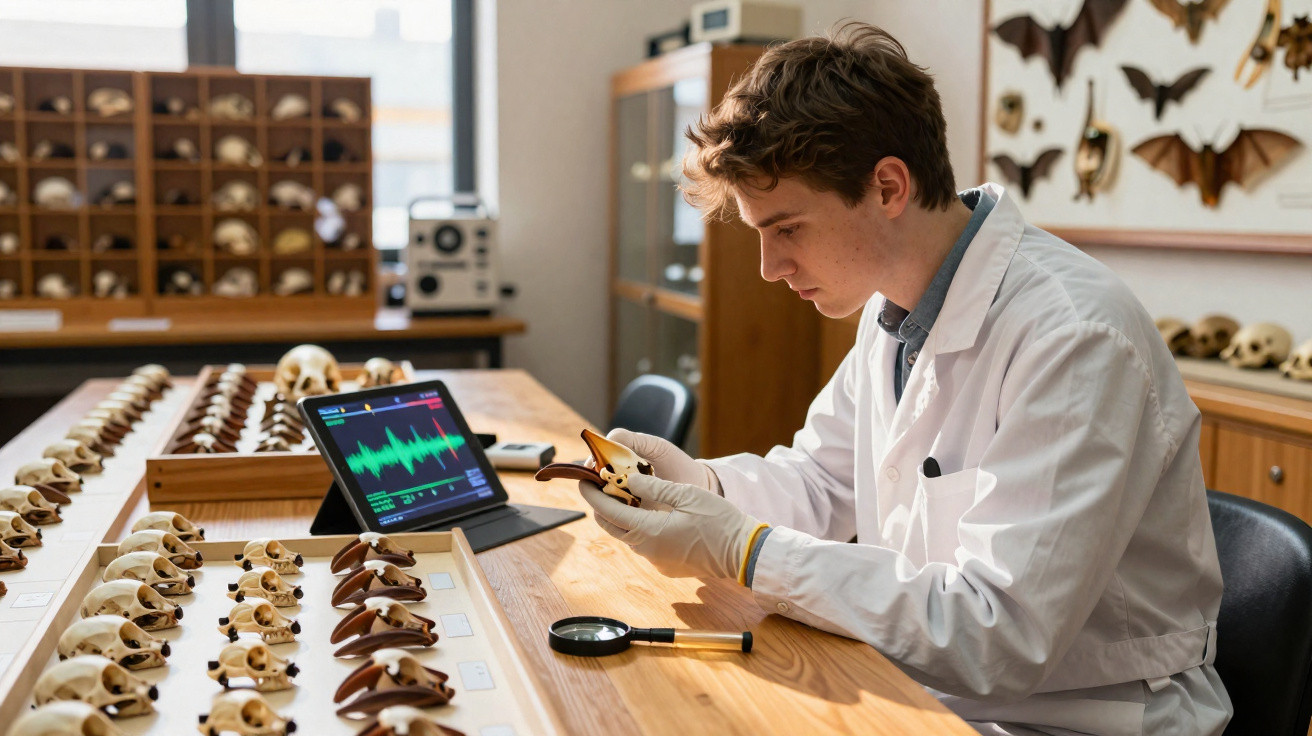
“Evidence from bone specimens suggests that the Dodo's tendon which closed its toes was exceptionally powerful, analogous to climbing and running birds alive today,” says University of Southampton palaeobiologist Neil Gostling. “The dodo was almost certainly a very active, very fast animal.”
Much of what was initially known about the famously extinct bird came from Dutch sailors’ second-hand accounts, artists’ depictions and fragmentary remains. For years, its unusual appearance and swift disappearance prompted people to dismiss it as a mythical creature.
“More has been written about the Dodo than any other bird, yet virtually nothing is known about it in life,” explains Julian Hume, an avian palaeontologist at the UK’s Natural History Museum.
Even the number of dodo species remained contested for centuries. University of Southampton evolutionary biologist Mark Young and his colleagues have now worked through this taxonomic confusion by examining written records and collections across the UK.
Their review confirmed that there was one dodo species (Raphus cucullatus) and that it and its closest relative, the Rodriguez solitaire (Pezophaps solitaria), were columbids. Members of the pigeon and dove family, these birds have long been put to use by humans for their distinctive intelligence.
Besides their remarkable abilities as messenger pigeons, birds in this group have demonstrated a sense of self and can use touchscreens.
“The few written accounts of live Dodos say it was a fast-moving animal that loved the forest,” says Young.
How the dodo disappeared
That picture contrasts sharply with the idea of a foolish, ‘unfit’ animal stumbling towards an inevitable extinction.
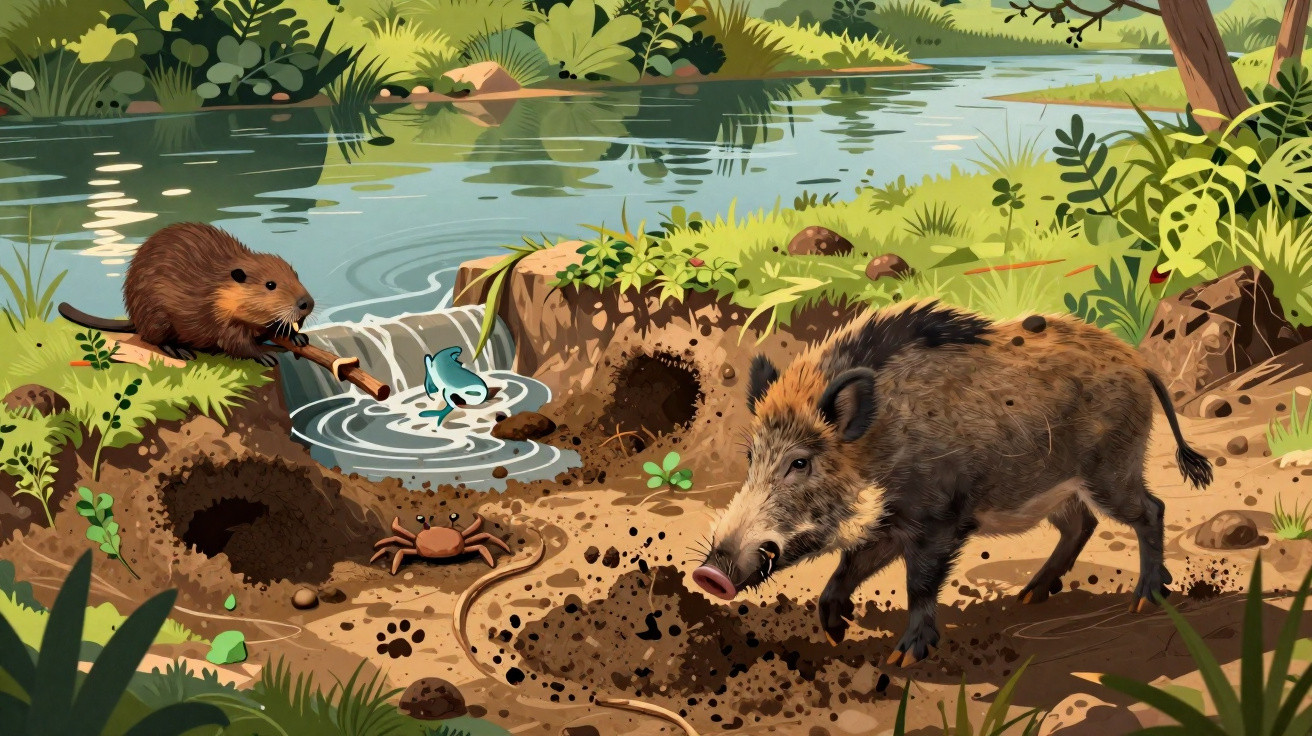
“These creatures were perfectly adapted to their environment, but the islands they lived on lacked mammalian predators,” says Gostling. “So, when humans arrived, bringing rats, cats, and pigs, the Dodo and the Solitaire never stood a chance.”
On Mauritius, it took roughly 70 years for the new arrivals to eat the dodos and their eggs into extinction. The distinctive ground dove was last known to have been seen in 1662. The swan-sized solitaire had suffered the same fate by 1770.
The wider cost of human influence
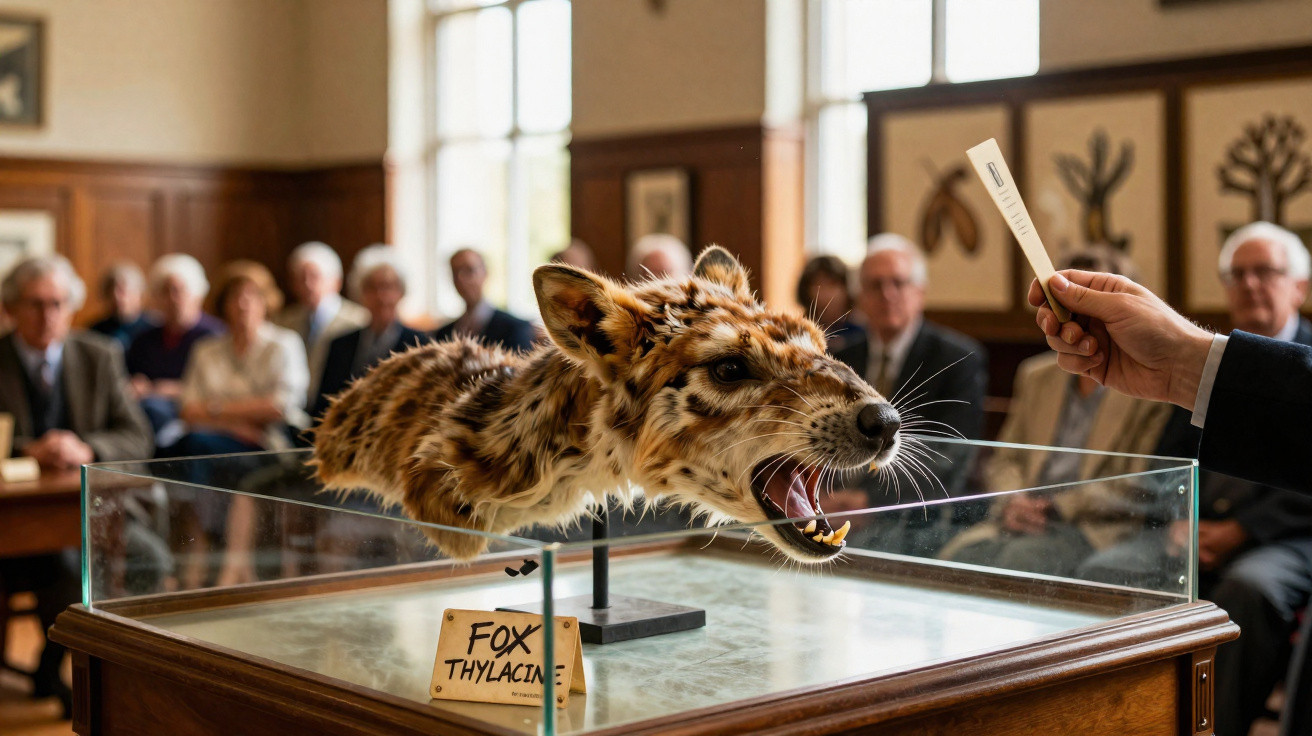
Since then, the same pattern has unfolded repeatedly. From the highly intelligent, endangered kea parrot to the world’s rarest insects and the extinct thylacine, many animals struggle when faced with humans and the invasive species we bring. That process is now contributing to Earth’s sixth mass extinction.
Non-native predators introduced by humans currently threaten around 600 species.
“The Dodo was the first living thing that was recorded as being present and then disappeared,” says Gostling.
“Before this, it hadn't been thought possible for human beings to influence God's creation in such a way.”
Assumptions like these have enabled us to cause untold damage to the living world. We did not understand what we were doing when we wiped out the dodo, but we certainly do now. We also know that our collective power is great enough to change the physical properties of the planet.
Young and his team’s review is only the start of a broader project to learn more about these lost species.
“We are not just looking back in time – our research could help save today's endangered birds too,” says University of Southampton biomechanical engineer Markus Heller.
The review appeared in the Zoological Journal of the Linnean Society.








Comments
No comments yet. Be the first to comment!
Leave a Comment