Across Europe and North America, winter nights are becoming colder, longer and increasingly unpredictable. For garden birds that weigh little more than a handful of coins, one freezing night can take their bodies to their limits. People often put out bread or cake in the belief that it will help. However, one particular food can genuinely help birds retain warmth until morning – and you may already have it in your kitchen.
Why freezing nights are such a deadly test for small birds
For a robin, tit or sparrow, getting through January is an around-the-clock challenge. Once the sun goes down, temperatures may quickly fall to freezing point or lower. Birds lose heat rapidly because they are small, have a large surface area relative to their body size, and possess exceptionally fast heart rates.
To survive, they need to keep their body temperature at approximately 40–42°C, considerably warmer than our own. Maintaining that temperature demands vast quantities of energy throughout every hour of darkness. Feathers provide some protection, but their insulating effect has limits when cold conditions continue from late afternoon until early morning.
Each winter night is a race between a bird’s dwindling energy reserves and the deepening cold.
Even following a clear, sunny day spent feeding, the calories obtained from seeds, berries and occasional insects are used up fast. After nightfall, frost, snow and frozen soil put food out of reach. Should a bird exhaust its energy reserves before dawn, it can no longer shiver to create warmth – and it simply does not wake up.
The well-meant mistake: foods that don’t actually help
With good intentions, many people leave spare bread, pastries or table leftovers on a windowsill or in a feeder. It is a kind gesture, but these foods usually offer very little nutritional benefit.
Bread can fill a bird’s stomach while supplying little practical energy. It expands when damp, gives a misleading feeling of fullness and contains few fats or essential nutrients. Cakes, biscuits and pastries bring further risks: lots of sugar, various additives and, frequently, salt.
Processed meat, crisps and other salty snacks are more hazardous still. They may include flavour enhancers, preservatives and salt levels that a small bird cannot safely process.
Well-intentioned feeding can backfire when the food is low in energy or laced with salt and additives.
Rather than fuelling birds through the night, these foods can burden their digestive systems, disrupt their fluid balance and leave them short of proper energy when temperatures are at their lowest in the early morning.
The one game-changing food: unsalted fat
During the coldest nights, birds need highly concentrated energy. In practical terms, that means fat – although the type of fat is crucial.
Plain, unsalted animal fat is the single most effective winter food to help birds stay warm through the night.
Unsalted lard, suet, beef fat, duck fat and unsalted butter provide dense energy that burns slowly. Birds can turn this fat directly into heat. In contrast to sugary foods, which cause a short-lived energy boost, fat supplies calories consistently over many hours.
This gradual supply is important. Throughout the night, birds continue shivering gently to produce heat. A crop full of fat provides a dependable “thermal battery” that they can draw upon until sunrise. It can mean the difference between shivering enough to remain warm and falling below a safe body temperature.
Why salt and sugar both cause trouble
Birds are highly vulnerable to salt. Their kidneys are not designed to cope with the substantial sodium levels present in many foods intended for people. Even relatively small quantities may cause dehydration, strain organs or, in serious cases, prove fatal.
Refined sugar brings separate problems. Although birds consume natural sugars in fruit and nectar, these sources also provide water, fibre and micronutrients. Processed sugar in cake, icing and sweetened cereal produces a rapid burst of energy followed by an equally quick drop, making birds more at risk during the longest and coldest part of the night.
How to prepare safe fat mixes at home
No specialist tools or unusual ingredients are necessary. You can prepare a straightforward homemade fat mixture in under 20 minutes.
| Ingredient | Recommended | Avoid |
|---|---|---|
| Fat | Unsalted lard, suet, beef fat, duck fat, unsalted butter | Salted butter, flavoured or spiced fats, cooking oils with seasoning |
| Add-ins | Sunflower seeds, millet, oats, crushed peanuts (unsalted) | Salted nuts, chocolate, dried fruits with added sugar |
Basic winter fat ball recipe
- 200 g unsalted animal fat (lard, suet, beef or duck fat, or unsalted butter)
- 100 g mixed seeds (sunflower, millet, oats, unsalted crushed peanuts)
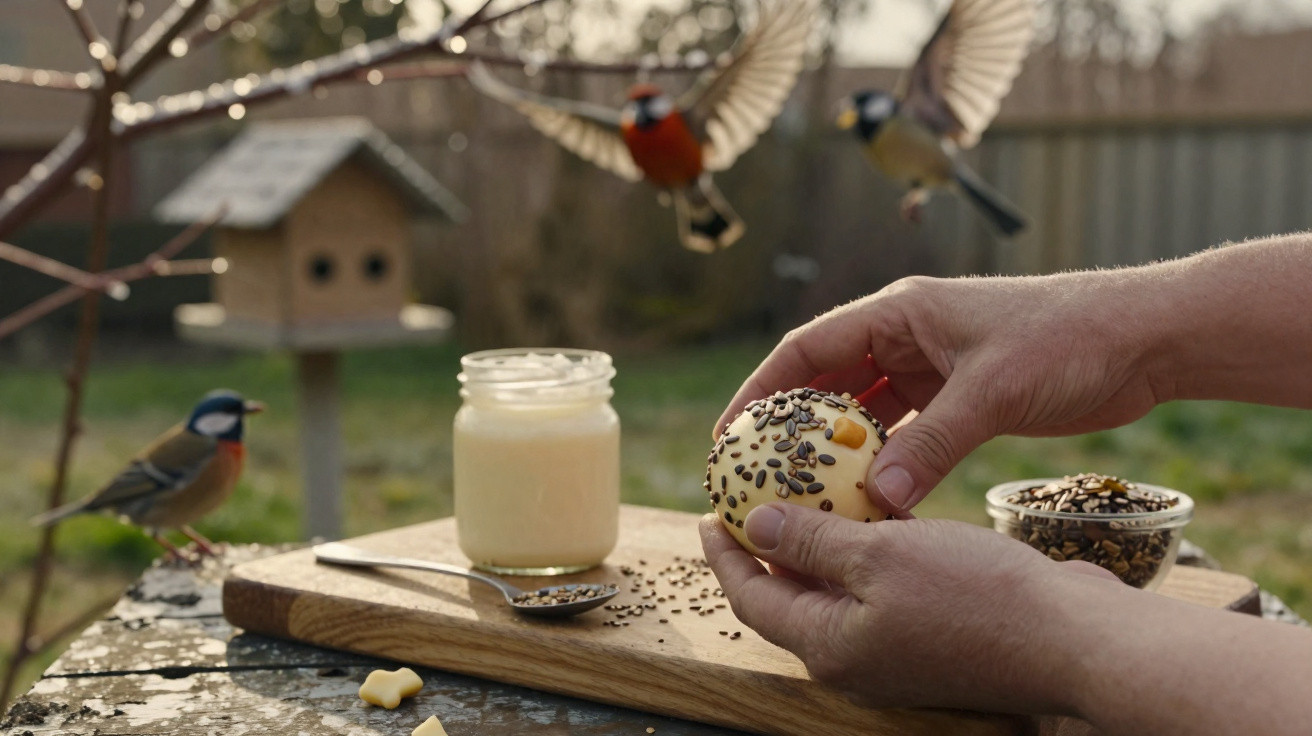
Gently heat the fat in a pan until it has only just melted. Remove the pan from the heat, then mix in the seeds until they are all evenly covered. Transfer the mixture to small yoghurt pots or coconut shells, or shape it by hand into balls once it begins to set.
Allow the mixture to cool fully and become firm indoors. When solid, hang the balls in mesh feeders or net-free cages, or place hardened blocks in reusable containers on which birds can perch.
Fat must be fully cooled and firm before going outside, so it holds its shape and birds can peck it safely.
Where and how to offer fat so birds actually benefit
The position and arrangement of feeders are nearly as important as the mixture itself. A feeder in the wrong place may draw predators or lead to persistent conflict between birds.
- Suspend fat feeders high enough that cats cannot reach them.
- Put them close to shrubs or hedges, allowing birds to reach cover quickly when alarmed.
- Keep them out of direct sunlight on milder days, as this may soften the fat and cause it to become messy or rancid.
- Provide several small feeding areas instead of one large site to limit aggressive competition.
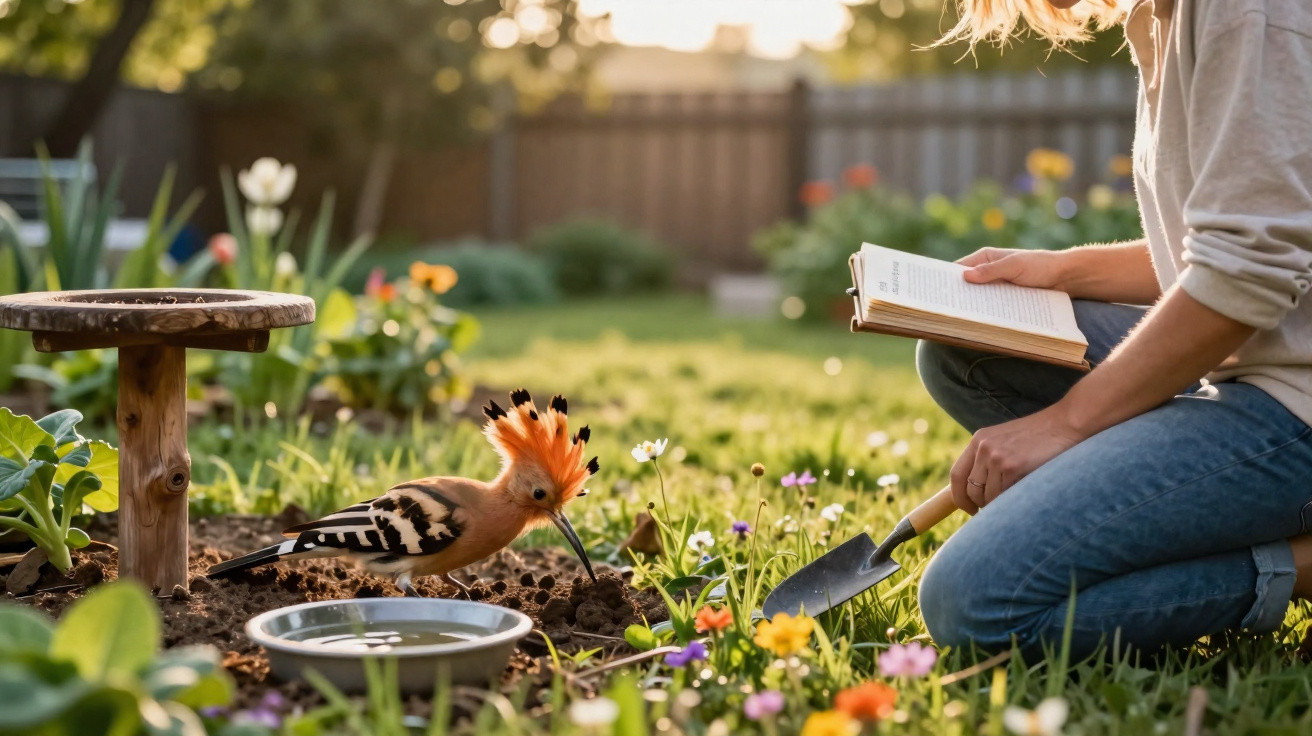
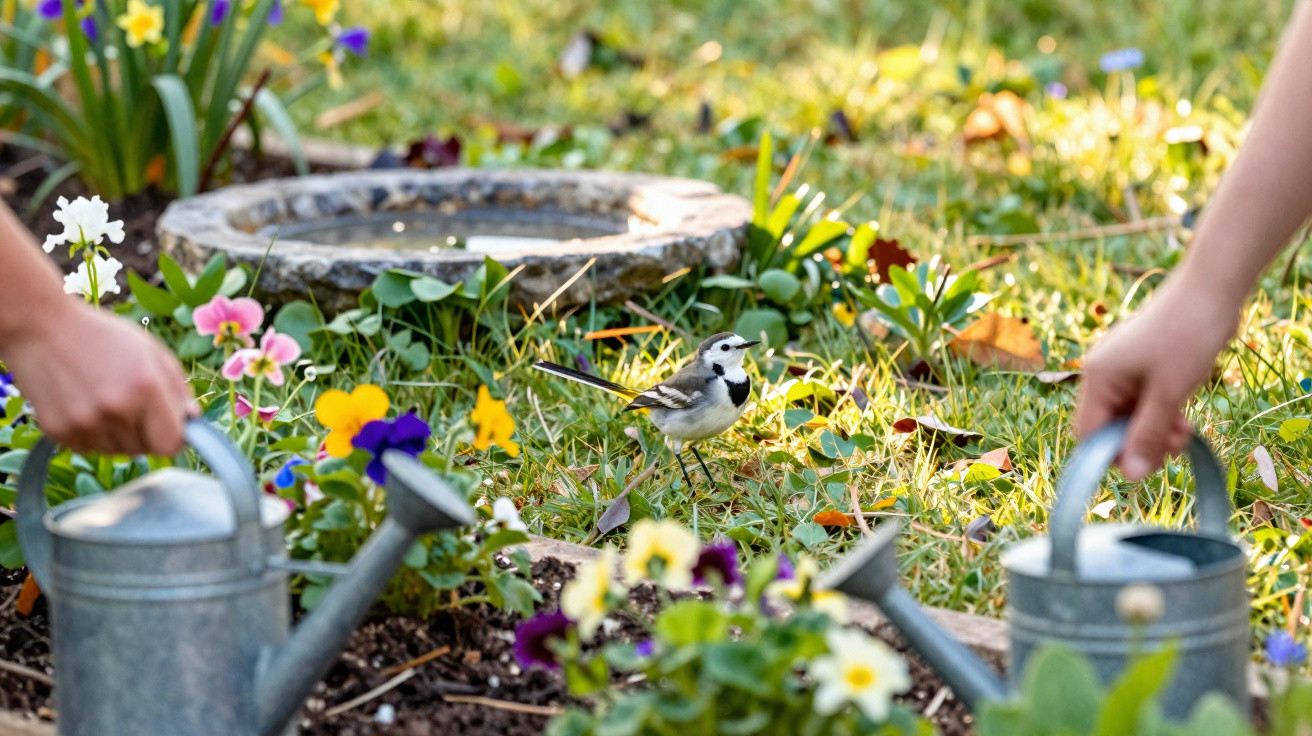
Cleaning regularly helps reduce the spread of disease. Clear away stale, mouldy or dirty food, and wash feeders with hot water. In frosty weather, remember water too: offering a shallow dish of fresh, unfrozen water in the morning lets birds rehydrate after a long, dry night.
Turning a garden into a night-time refuge
Providing fat is most effective when it forms part of a wider winter sanctuary. Food gives birds energy for warmth, while shelter prevents the loss of that hard-earned heat.
- Allow one part of the garden to remain slightly untidy, with fallen leaves, twigs and thick shrubs.
- Put up nest boxes and roosting boxes that face away from prevailing winds.
- Plant berry-producing shrubs, including hawthorn, rowan and holly, to create natural winter food supplies.
- Leave at least one pesticide-free area so insects can survive and feed birds on milder days.
A small, scruffy patch of garden can feel like a fortress to a bird facing a minus-five night.
When several homes on the same street follow similar practices, their impact increases. Birds are no longer dependent on just one feeder or hedge. Instead, they can travel between a series of safe places, finding calories in one location, cover in another and water further along.
What unsalted fat changes for birds – and what it shows us
Those who begin putting out suitable fat mixtures often see changes within a few days. Birds may appear earlier in the afternoon, feed vigorously and seem livelier and more watchful in the morning. After a severe frost, fewer birds appear to “vanish”.
From a scientific perspective, this reflects what biologists term “energy budgeting”. Small birds must weigh every gram they gain against both the energy it supplies and the increased danger posed by predators. Energy-rich fat enables them to build reserves without becoming too heavy to fly effectively.
This approach also invites questions for us. One small handful of fat supplied consistently can affect survival rates within a local bird population. During cold spells, it may close the gap between a difficult winter and one that destroys an entire year’s young birds.
Risks, limits and how long to feed
There are limits to consider. In mild weather, very soft fat may smear onto feathers and impair their waterproofing, particularly where it is loose or oily. Under these conditions, replacing pure fat with high-energy seed mixes is the safer option.
Many wildlife organisations also advise gradually reducing fat feeding in late spring and early summer, when natural food is plentiful and young birds are being reared. At that stage, parent birds require protein-rich insects more than concentrated fat. A sensible approach is to offer fat from the first frosts until the final severe cold spell, then slowly cut back while relying more on seeds and natural planting.
Understanding a winter night from a bird’s point of view
Imagine a blue tit weighing less than a 50p coin. By dusk, it has only a few hours in which to store sufficient energy to last through as many as 16 hours of cold. Without help from people, that energy must be found in scattered seeds, insect eggs beneath bark and the final berries left on a hedge.
Now imagine that a feeder containing firm, unsalted fat is only a short flight away. Within minutes, the same bird can double the energy reserves it takes into the night. Rather than hovering at the limit of survival, it enters the dark with a reserve that it could not have collected alone in a frozen garden.
For a creature that lives life gram by gram, a simple block of unsalted fat can be the margin between life and death.
That margin is precisely where human decisions matter during winter’s harshest weeks: one small, particular food, provided responsibly, can transform a quiet, deadly night into a manageable ordeal that most birds can survive.













Comments
No comments yet. Be the first to comment!
Leave a Comment