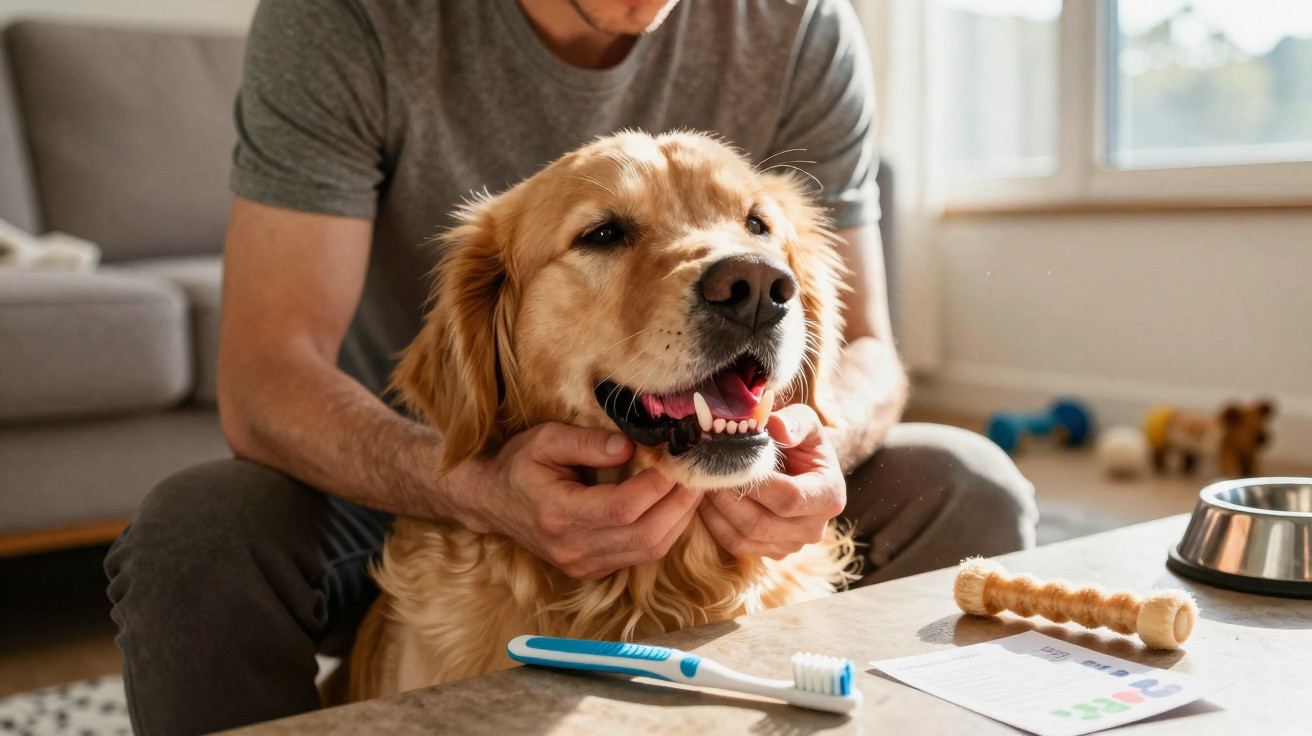
What may look adorable can actually point to a severe source of pain.
Many owners dismiss muzzle rubbing as a harmless habit or an endearing quirk. Vets take a different view: this behaviour can often signal a serious oral condition which, without treatment, damages a dog’s teeth, organs and quality of life. Recognising the warning signs can spare your four-legged companion a great deal of suffering.
Why dogs rub their faces so intensely
Dogs will, of course, scratch themselves occasionally or rub about in the grass. That is part of normal everyday behaviour. It becomes concerning when muzzle rubbing suddenly becomes frequent, frantic and almost desperate.
A common scene looks like this: after a walk, the dog forcefully presses its face into the lawn or repeatedly wipes its mouth and nose with both front paws. Many people film these moments, yet the animal is often simply trying to escape pain coming from within.
“A dog that repeatedly rubs its muzzle vigorously is usually trying to relieve deep-seated pain in its mouth.”
In such cases, the cause is rarely on the outside but inside the mouth: in the teeth, gums or jaw. Foreign objects, injuries and inflammation can all be responsible. Most often, however, the underlying issue is a gradual dental disease that vets encounter time and again.
Periodontitis – the underestimated widespread disease in dogs
Veterinary dentists have been raising the alarm for years: periodontal disease is among the most common health problems in dogs. Studies from small-animal practices indicate that a large proportion of dogs are affected from the age of three onwards, often without their owners noticing.
The progression generally follows the same pattern: soft plaque hardens into tartar. Bacteria settle there, inflame the gums and gradually attack the structures holding each tooth in place.
- At first, the gums may simply look slightly red.
- Then bad breath and pain while chewing develop.
- Later, teeth become loose and eventually fall out.
Many dogs endure these stages without yelping or whining. They adapt by swallowing food only partly chewed or avoiding hard pieces. Muzzle rubbing then becomes a cry for help that people frequently misinterpret.
Why this disease is not “just a dental problem”
Periodontitis affects far more than teeth and gums. Bacteria and inflammatory substances can enter the bloodstream and travel throughout the body. Over time, this may harm the heart, liver and kidneys. A rotten molar is therefore not merely a cosmetic concern, but a risk to overall health.
“Poor teeth can cause heart problems, strain on the organs and chronic pain in dogs – and can therefore noticeably reduce life expectancy.”
Five signs that your dog has severe pain in its mouth
Muzzle rubbing is rarely the only indication. Owners who look closely will usually spot a whole cluster of warning signs.
1. Persistent, penetrating bad breath
A slight ‘doggy’ smell is normal. But when a dog’s breath smells rancid, rotten or metallic and fills the room, inflammation is almost always involved. Bacteria are then lodged deep inside gum pockets or around the tooth roots.
2. Red or bleeding gums
Do not be afraid to gently lift your dog’s lips at home. Healthy gums are pink and smooth. Warning signs include:
- a bright red line along the teeth,
- edges that appear swollen,
- traces of blood on toys or in the water bowl.
If the gums bleed even when touched lightly, inflammation is usually causing pressure and pain.
3. Avoiding food or eating differently
Many owners first notice dental issues at feeding time. Typical changes include:
- the dog takes much longer to eat,
- hard pieces are left in the bowl while soft food disappears,
- it repeatedly drops food,
- it eats only on one side of its mouth.
Some dogs swallow kibble almost without chewing in order to avoid painful contact.
4. Sudden gaps or loose teeth
Once a tooth is left behind in a chew toy or a gap suddenly becomes visible, the disease is already well advanced. A healthy dog’s tooth does not simply fall out. Missing teeth almost always indicate serious damage to the structures that support the teeth.
5. Frequent rubbing or scraping of the mouth
Back to the original sign: when a dog repeatedly rubs its face with its paws or drags its muzzle across carpets and grass, the cause is usually internal. It is especially suspicious when this behaviour is new or becomes noticeably more frequent.
| Behaviour | Possible meaning |
|---|---|
| Occasional scratching at the nose | Brief itch, insect or harmless irritation |
| Frequent, frantic muzzle rubbing | Pain, a foreign object or inflammation in the mouth |
| Rubbing together with bad breath and reluctance to eat | Severe dental or gum disease |
What the vet can actually do – and what will not help
If several of these signs appear together, a visit to the veterinary practice is unavoidable. Home remedies, powders bought online or simple chew treats will generally no longer be enough.
Professional tartar removal under anaesthetic
When tartar is extensive, the vet will carry out proper dental treatment. The dog requires a general anaesthetic so that the work can be done thoroughly, including below the gum line. This involves:
- mechanically removing tartar,
- smoothing and polishing the teeth,
- extracting loose or damaged teeth where necessary.
Costs depend on the dog’s weight, the amount of work required and the region, but are often in the mid-three-figure range. For many owners, that is a substantial sum; for the dog, it often means dramatically less pain and enjoyment of eating again.
“After thorough tartar removal, many dogs show a noticeably better mood, greater eagerness to play and more appetite within just a few days.”
Why chew bones alone cannot solve the problem
Chew products, dental-care snacks and additions to drinking water can help with light deposits. But if tartar is already firmly attached or teeth are loose, these aids are like using a sponge on a rusty car – the rust remains.
Such products are most useful after professional treatment, helping to keep newly cleaned teeth in good condition for as long as possible.
Preventing dental problems – tooth-brushing training instead of a vet waiting list
The best ‘insurance’ against painful dental problems starts at home. The earlier you begin, the easier it is.
Brushing your dog’s teeth – it sounds odd, but it works
Many people laugh at the idea of a dog toothbrush. Those who give it a try are often surprised: with patience, most dogs accept the routine without difficulty. The key is to introduce it slowly:
- Touch the mouth only briefly at first, then offer praise.
- Use a finger brush or soft cloth with a toothpaste made specifically for dogs.
- Later, move on to a soft brush and clean for one to two minutes.
Ordinary human toothpaste is unsuitable because it contains fluoride and foaming agents that dogs should not swallow.
Food, chew products and breed: other factors that matter
Diet and genetics also play a part. Small breeds, flat-faced dogs and animals with crowded teeth experience dental problems more frequently. Soft food is more likely to leave deposits than crunchy kibble. Ideally, use a combination of suitable dry food, sensible chew products and regular checks.
Owners who get their dog used to mouth checks from an early age have a major advantage later on. A quick look at the teeth and gums during a cuddle can reveal changes early.
How to tell when it is urgent – and when you can stay calm
Not every itchy nose requires an emergency appointment. Warning signs that mean you should book a veterinary visit promptly include:
- strongly rotten-smelling breath,
- a visible dark line of tartar,
- bleeding or swollen gums,
- sudden refusal to eat,
- severe muzzle rubbing over several days.
If your dog only scratches its nose briefly after a mosquito and continues to eat normally, there is usually no immediate problem. If its behaviour changes markedly, it is worth looking inside its mouth – and, when in doubt, calling the practice.
Taking these signals seriously often prevents costly emergency treatment and, above all, avoids the thought that your own dog may have spent months living with constant pain. Acting in good time is the far more comfortable option for both dog and owner.















Comments
No comments yet. Be the first to comment!
Leave a Comment