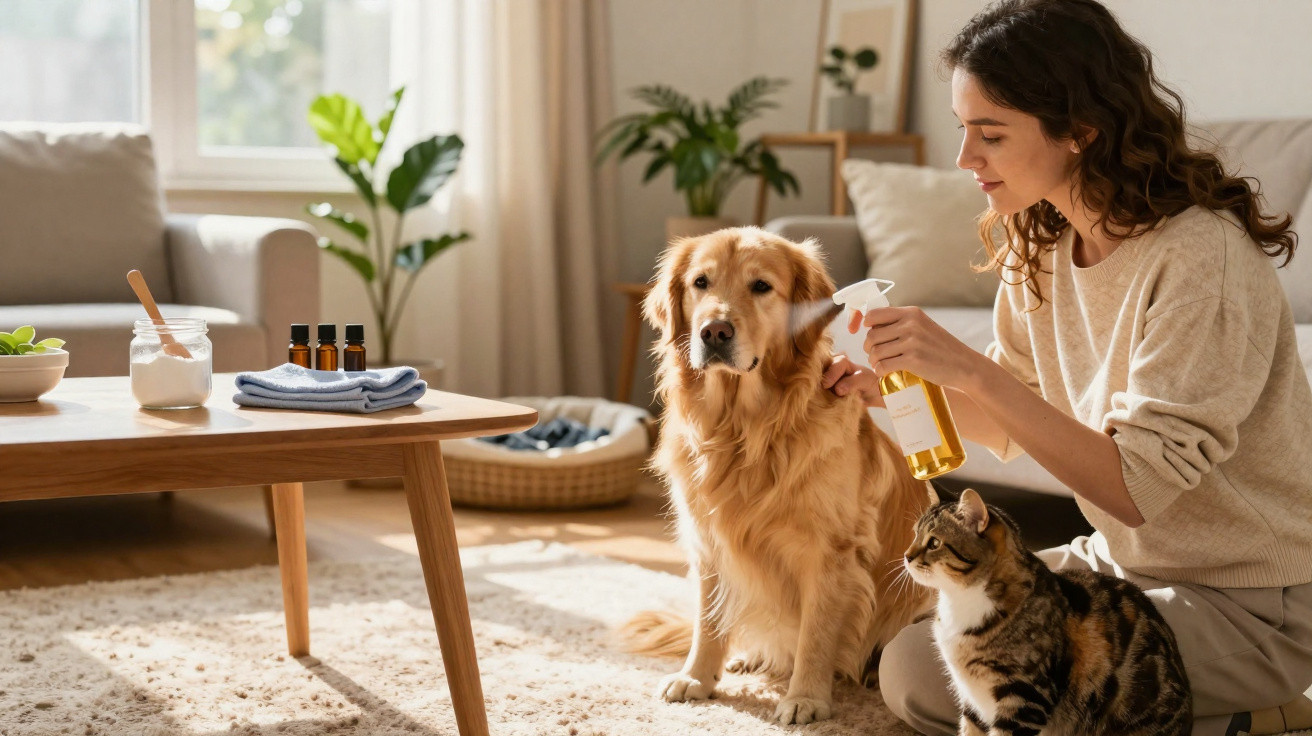
In veterinary waiting rooms and local community groups, a subtle change is taking place: more pet owners are looking for gentler ways to control fleas. This is not about choosing nature over science. Instead, it means combining sensible prevention, low-risk care at home and prompt action when symptoms become more serious.
Why natural flea control is gaining interest
Spot-on treatments and tablets suit many pets, but they are not right for every animal. Some pets have sensitive skin, while some households prefer fewer fragrances or a lower chemical burden indoors. Others experience recurring infestations because flea eggs and larvae flourish in soft furnishings and gaps in flooring. A well-rounded approach works on two levels: making your pet’s coat less inviting and disrupting the flea life cycle in carpets, bedding and upholstery.
About 5% of a flea problem lives on the animal; the other 95% sits in the environment as eggs, larvae, and pupae.
This division calls for a different approach. Regular, gentle household measures can gradually reduce flea numbers from one week to the next, particularly during warmer weather, when fleas develop more quickly.
Apple cider vinegar: what it can and cannot do
Apple cider vinegar (ACV) is often one of the first suggestions shared among pet owners. It will not kill fleas directly. However, its acidity may make the coat less appealing to them and can help with minor skin microbes around small scratches. Treat it as a coat refresher with a gentle repellent effect rather than a complete solution.
Using ACV safely and simply
- Combine equal quantities of ACV and water in a clean spray bottle.
- Apply a light mist to the coat, keeping it away from the eyes, ear canals and mouth.
- Brush the fur afterwards to spread it evenly. Do not saturate the coat.
- Use it a few times each week during warm weather, reducing the frequency if the skin appears dry.
For pets with delicate skin, try a small test patch first and lower the ACV proportion if any redness develops. Your pet’s comfort is the priority. The purpose is to discourage fleas, not to aggravate the skin you want to protect.
Baking soda for the home: treat the hiding places
Flea eggs and larvae gather in the areas where pets rest and play. Baking soda can help dry this tiny environment and reduce unwanted smells. Sprinkle a light dusting over carpets, fabric sofas, car seats and pet bedding. Leave it in place for several hours, then vacuum carefully and slowly to lift the powder, debris and larvae from the fibres.
Vacuum, then empty the canister or replace the bag right away so anything alive doesn’t crawl back out.
Repeat this deeper clean routinely, paying close attention to favourite sleeping spots and skirting boards. Regularity is more valuable than an occasional intensive effort. Every vacuuming session removes part of the unseen flea population.
Essential oils: clear limits and careful safety
Lavender, cedarwood, lemon and eucalyptus oils are often discussed because of their fragrance and possible flea-deterring properties. Used wrongly, though, they can quickly become risky, particularly for cats, which are sensitive to many oil compounds. Be cautious, and avoid essential oils altogether if you are unsure.
If you still plan to try
- Never use undiluted oils. Always dilute them heavily in a neutral carrier oil.
- Keep them away from the eyes, ear canals, nose and genitals.
- Apply only very small quantities and monitor for licking, drooling, restlessness or redness.
- Stop immediately if your pet seems uncomfortable. Ask a vet for advice before use with kittens, older pets, pregnant animals or pets with medical conditions.
Build a flea routine that continues to work
Fleas do not disappear in a single day. They emerge in cycles, especially when humidity is roughly 50% to 75°. A consistent routine makes those cycles smaller over time. This weekly pattern is manageable for many households:
| Method | Where it acts | How to use | Not for |
|---|---|---|---|
| ACV mist (diluted) | On-pet comfort | Light mist and brush, 2–3 times weekly | Broken skin, eyes, ear canals |
| Baking soda + vacuum | Environment | Dust, wait a few hours, vacuum slowly | Delicate fabrics that stain with moisture |
| Hot laundry cycle | Bedding and throws | Wash on high heat; dry fully | Heat-sensitive textiles |
| Yard care | Outdoor zones | Trim grass, clear debris, keep shaded nests tidy | Sprays when pets are present |
| Targeted sprays (very diluted ACV or neem on surfaces) | Entry points and resting spots | Test small area first; keep pets away until dry | Direct use on animals; porous woods without a test |
Short, repeated actions beat one big clean. Each pass chips away at eggs, larvae, and pupae before they mature.
Garden habits that reduce flea pressure
When your pet spends time outdoors, concentrate on shaded places where fleas are most likely to thrive. Keep grass trimmed, rake up leaf piles and wash outdoor bedding on hot cycles. To treat patios or kennel runs in specific areas, some owners use highly diluted ACV or diluted neem on hard surfaces, allowing them to dry fully before pets return. Test a small area first to prevent staining, and do not spray near pollinators.
When your flea plan needs extra support
Fleas may transmit tapeworms and can cause anaemia in small or vulnerable animals. Contact a vet if you notice:
- Ongoing scratching or chewing despite consistent care
- Red, weeping skin or hot spots
- Tiredness, pale gums or weight loss
- Black flea dirt returning quickly after cleaning
- Any deterioration in kittens or senior pets
Combine methods for greater results
Layering modest measures can make a difference. A light ACV mist may make the pet less attractive to fleas. Baking soda followed by slow vacuuming helps remove hidden flea stages from fabrics. Hot washing interrupts the cycle in bedding. Outside, mowing and tidying make resting areas less hospitable for pests. Check your pet’s skin and behaviour each week. Reduced scratching and more settled sleep often indicate improvement.
An example of a two-week reset
- Day 1: ACV mist on pet; baking soda on carpets and couch; slow vacuum; hot-wash bedding.
- Day 3: Repeat vacuum; quick ACV mist.
- Day 5: Vacuum baseboards and under furniture; launder throws.
- Day 7: ACV mist; baking soda + vacuum cycle again.
- Day 10: Yard tidy; check resting zones; spot-spray surfaces after testing.
- Day 14: Review signs on skin and behavior; continue weekly light maintenance.
Important details many owners overlook
The timing of the flea life cycle is important. In warm conditions, eggs may hatch within a few days, while pupae can remain dormant until vibrations encourage them to emerge. This is why newly vacuumed rooms can seem to produce fresh adult fleas. Continue with the routine, as it catches each new group. If you are thinking about using diatomaceous earth, select food-grade only, apply it extremely sparingly to carpets, wear a dust mask and keep pets away while applying and cleaning it up. Never rub it into an animal’s coat: it can dry the skin and irritate the airways.
Some households combine gentle methods with a targeted veterinary product during peak flea season, then go back to light prevention for the remainder of the year. This blended approach may reduce total exposure while offering a safeguard for homes under heavy pressure from nearby wildlife or shared corridors. Speak with your veterinary practice about suitable timing, particularly if you have several pets or a record of rapid reinfestation.






Comments
No comments yet. Be the first to comment!
Leave a Comment