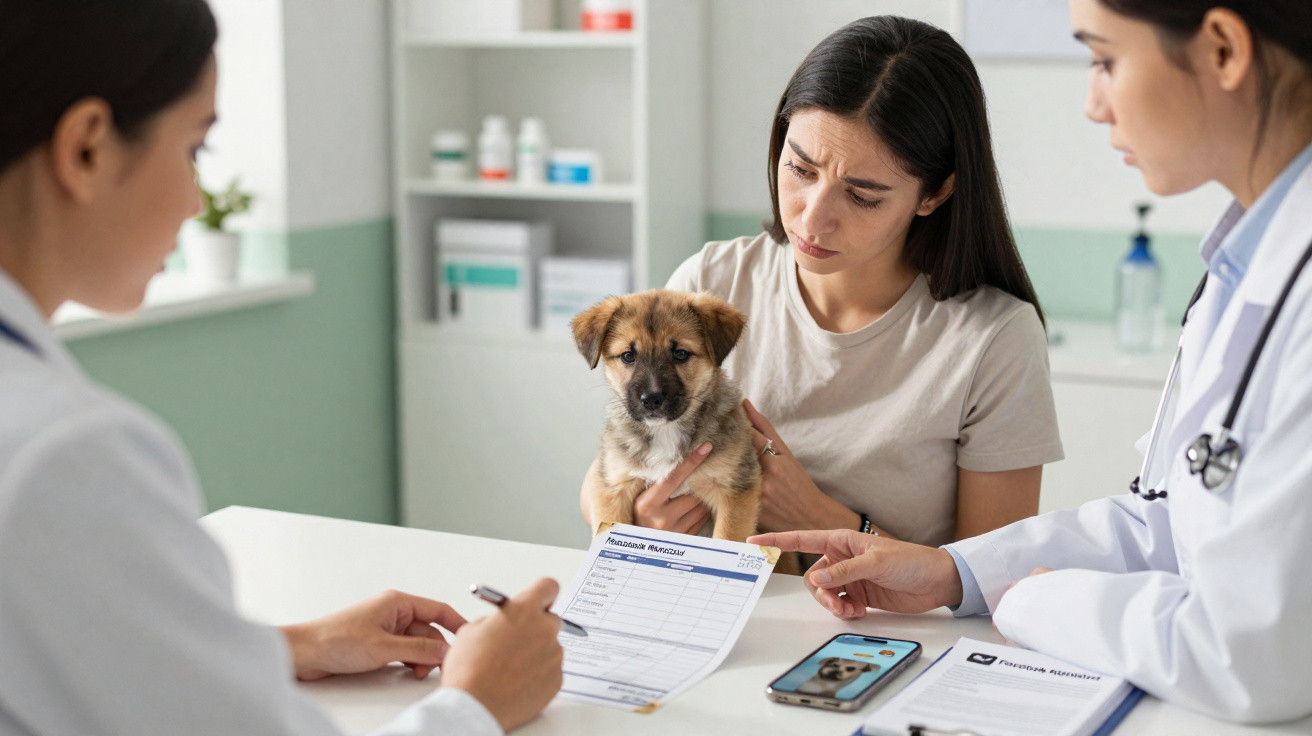
A young woman brings home her dream puppy after finding it on Facebook – but inconsistencies in the animal’s vaccination record turn everything upside down.
Ramona, from Switzerland, simply wanted to give a loving dog a home. She found what appeared to be a reputable seller in a Facebook group for her favourite breed, transferred 450 euros and took the little female puppy home. However, when she examined the dog's paperwork more closely and spoke to her vet, it became apparent that the adorable puppy came with a dangerous and expensive backstory.
The supposed Facebook bargain
The 26-year-old had specifically been looking for a Staffordshire Terrier puppy. On a relevant Facebook page, she came across an advert offering healthy, vaccinated puppies with paperwork, supposedly from a caring small-scale home breeder. At around 450 euros, the price initially seemed appealing for this breed, though not entirely implausible.
When she arrived, she was handed the little female dog, whom she later named Nayla, along with a vaccination certificate and sales contract. The handover was swift and almost rushed. Ramona took the documents with her but only looked through them properly once she was at home. She had fallen for the puppy and simply wanted everything to be alright.
Inconsistencies in the vaccination certificate
As she went through the vaccination record, Ramona spotted something that made her suspicious. Several vaccinations had been recorded on dates when Nayla's litter could not even have been born. The puppy's date of birth simply did not match the stated vaccination dates.
There was another odd detail: the sales contract suddenly listed the breed as “Labrador”. The advert photographs clearly showed a Staffordshire-type dog, and the little female dog's build did not remotely resemble that of a retriever.
“Incorrect vaccination dates, the wrong breed recorded and a rushed handover – the overall picture strongly pointed to illegal puppy trading.”
Ramona eventually took Nayla to a vet. There, she had the paperwork checked and the puppy thoroughly examined. The vet confirmed her fears: the information in the vaccination certificate made no sense, while the supposed rabies vaccinations appeared questionable.
Quarantine, blood tests and repeat vaccinations
As it remained unclear whether Nayla had genuinely been vaccinated against rabies, strict rules applied. Swiss authorities regard imported dogs without verifiable vaccination evidence as a risk. By official order, the female dog had to spend seven weeks in quarantine.
During that period, her contact with other dogs had to be severely limited. For Ramona, who had only just begun forming a close bond with her, this was an emotional ordeal. Blood tests and further veterinary checks were also required.
The testing brought a difficult certainty: the puppy had never received an effective rabies vaccination, despite what the certificate claimed. The entire vaccination course had to be started again, including waiting periods and repeat checks.
How to spot a forged vaccination certificate
- Vaccination dates fall before the animal's actual date of birth.
- Stamps belong to vets who do not exist or cannot be contacted.
- Signatures are illegible or clearly copied.
- Details of the microchip number, breed or owner are incomplete.
- Several vaccinations are recorded on one day, despite this making no medical sense.
Once all treatment had been completed, Nayla was finally properly vaccinated and officially registered. She developed well physically; the main impact of the stress was felt by her owner – and her bank account.
The hidden costs of the “cheap puppy”
What first appeared to be an inexpensive deal turned into a costly experience. In addition to the 450-euro purchase price, Ramona faced quarantine charges, blood tests, new vaccinations and extra veterinary advice. She expects to pay more than 600 euros extra – solely because of the false paperwork.
The seller denied every allegation. She described the claims as defamation and said that she had been deceived herself. At the same time, she offered a refund of only 100 euros. Given the overall circumstances, Ramona saw this as little more than a token amount.
“Low purchase price, high follow-up costs – in the end, the supposed bargain was considerably more expensive than a puppy from a reputable breeder.”
Despite everything, the young woman quickly made one decision: Nayla would stay. The female dog was not responsible for the actions of people who wanted to profit from her. What began as a risky online purchase has since become a beloved family member.
How illegal puppy dealers operate
This case follows a familiar pattern. In many European countries, dealers bring in puppies from abroad when they are far too young. Forged passports allow them to circumvent age and vaccination requirements. The animals often come from puppy farms, where female dogs are continually bred in poor conditions.
Common sales channels include:
- Facebook groups and marketplaces
- Classified advertising websites
- Messaging services with supposedly “private” offers
- Handovers in car parks or border car parks, without viewing the parent animals
Dealers exploit the emotional element. When someone is holding a cute puppy, they often ask fewer critical questions. That is exactly what sellers rely on.
How prospective owners can identify reputable offers
Anyone hoping to take in a dog can take several steps to protect themselves:
| Warning sign | What it could indicate |
|---|---|
| Handover in car parks or motorway service areas | Avoidance of checks and no opportunity to inspect the living conditions |
| No opportunity to visit the mother and litter | Mass breeding or boot-of-the-car trading |
| A very low price for sought-after breeds | A lure offer, with costs passed on to the animal and buyer |
| Incomplete or incorrect paperwork | Illegal importation or forged vaccination certificates |
| Pressure to make a quick decision | The seller wants to avoid critical questions |
Those who want to be on the safe side should take their time, visit several breeders or animal welfare organisations, and carefully inspect the paperwork on site. Speaking to a local vet before making a decision can prevent many problems.
Legal and health risks
Forged vaccination documents can bring more than financial consequences; they can also endanger both people and animals. Rabies is among the deadliest infectious diseases of all. If a dog has not been properly vaccinated, authorities may order measures up to and including euthanasia where there is a specific suspicion.
There may also be parasites, viral illnesses such as parvovirus or distemper, and lasting harm caused by poor early care. Many of these conditions lead to prolonged suffering and substantial treatment costs. A “bargain puppy” can generate veterinary bills of several thousand euros in a short time – quite apart from the emotional strain.
What prospective buyers should clarify before purchasing
Anyone who finds an offer through social media or classified adverts should prepare a short list of questions before meeting the seller:
- Where exactly does the litter come from, and in which country were the puppies born?
- Can the mother and siblings be seen in their usual surroundings?
- Which vet administered the vaccinations, and can the practice be contacted?
- What is the verifiable age of the puppies, and when will they be released?
- Is there a written contract containing complete contact details?
The response to these questions often reveals whether a seller has something to hide. Evasive answers, missing evidence or an attempt to arrange everything “spontaneously” in a car park should set alarm bells ringing.
Ramona and Nayla's case demonstrates why paperwork must be checked carefully – before any money changes hands. Anyone who does their research, asks critical questions and declines an offer when in doubt not only protects themselves, but also sends a clear message against the trade in suffering puppies.

















Comments
No comments yet. Be the first to comment!
Leave a Comment