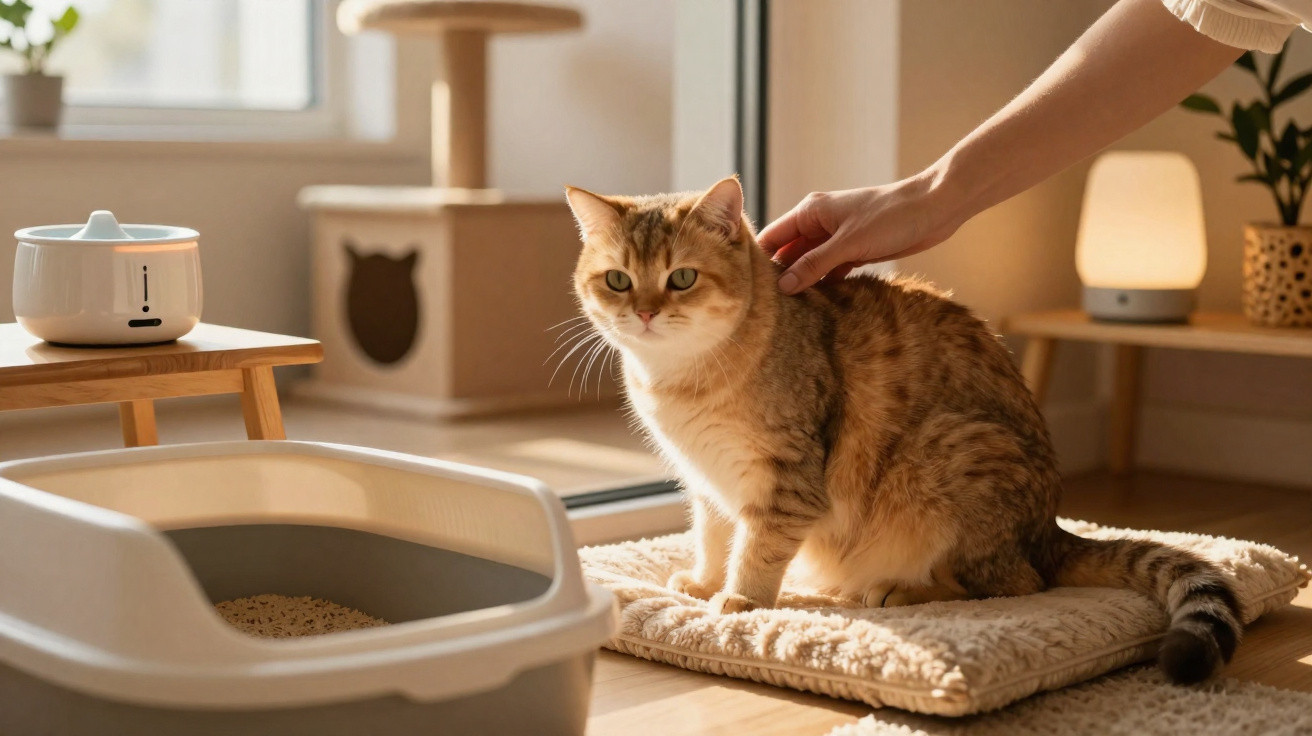
Canadian researchers have identified anxiety as a possible warning sign that a cat may be vulnerable to feline idiopathic cystitis (FIC).
Feline idiopathic cystitis symptoms and diagnosis
Because FIC is idiopathic, its underlying cause remains unknown. However, evidence of increased fearfulness in cats with recurrent forms of the disease may help scientists clarify both its pathology and the factors that trigger it.
The signs of FIC commonly resemble those of an ordinary lower urinary tract infection. Cats with the condition may struggle to pass urine, urinate more often in small quantities, or cry out in discomfort while in the litter tray. In severe cases, blood can appear in their urine.
Unlike a bacterial infection, though, urine from cats with FIC is sterile. Veterinary surgeons generally exclude infections and other possible explanations before identifying FIC as the probable cause.
Around half of cats diagnosed with the condition will have another episode later in life. Since one in five cats with recurrent FIC are ultimately euthanised by their owners, a way to tell this illness apart from other conditions could help spare beloved cats continued pain.
"Some cats end up being euthanized because of it," says zoological medical scientist Marion Desmarchelier from the University of Montreal.
"The disease itself is not fatal, but the cost of repeated emergency treatments can be too much for some families."
Anxiety and recurrent FIC in cats
Earlier research indicates that the origins of the condition may lie at the intersection of the body's hormonal and nervous systems. More precisely, it may involve an imbalance in stimulation and response associated with the neurotransmitter adrenaline.
The prevailing hypothesis is that an excessive release of adrenaline harms the connections in the bladder wall, leaving sensory nerves exposed. This produces pain and prompts inflammation. If the affected cat cannot reduce its adrenal response because of this damage, episodes of discomfort may keep returning.
Although the complete mechanism remains uncertain, adrenaline's involvement suggests there is a psychological element - potentially not only as an indicator of FIC, but also as a cause.
During the pandemic, the research team approached owners of cats diagnosed with FIC and asked them to complete a questionnaire about their cat's behaviour, possible disease recurrences, and their adherence to specific environmental recommendations.
Of the 33 completed surveys returned, the researchers found a marked difference between cats that had experienced a single FIC episode and those with recurring episodes. Just over half of the cats with one-off cases were said to be fearful of strangers, compared with almost all cats that had repeat episodes.
The team could exclude several other behaviours as relevant, including aggression displayed by the cats or whether the cats had been subjected to aggression themselves.
"We initially thought that anxious, aggressive cats would be more prone to recurrent cystitis, but it's actually the fearful, withdrawn ones that seem to be at greater risk," says Desmarchelier.
Helping cats with FIC feel safe
The researchers argue that FIC should be viewed more as an outcome of a cat's mental well-being than as a bladder disorder. They say that supporting anxious cats to feel secure and relaxed could reduce their likelihood of urinary tract inflammation.
Measures to calm cats include providing several secure hiding spots, allowing them to retreat from other members of the household whenever they wish. Pheromone therapy may also reduce stress.
Additional research could supply vital evidence on how a cat's anxiety and sense of comfort at home influence functions that appear unrelated, such as being able to urinate without discomfort.
For now, pet owners are encouraged to watch their feline companions carefully when visitors are present and help them feel comfortable. Their anxiety may affect them more profoundly than previously understood.
This research was published in the Journal of Veterinary Behavior.
















Comments
No comments yet. Be the first to comment!
Leave a Comment