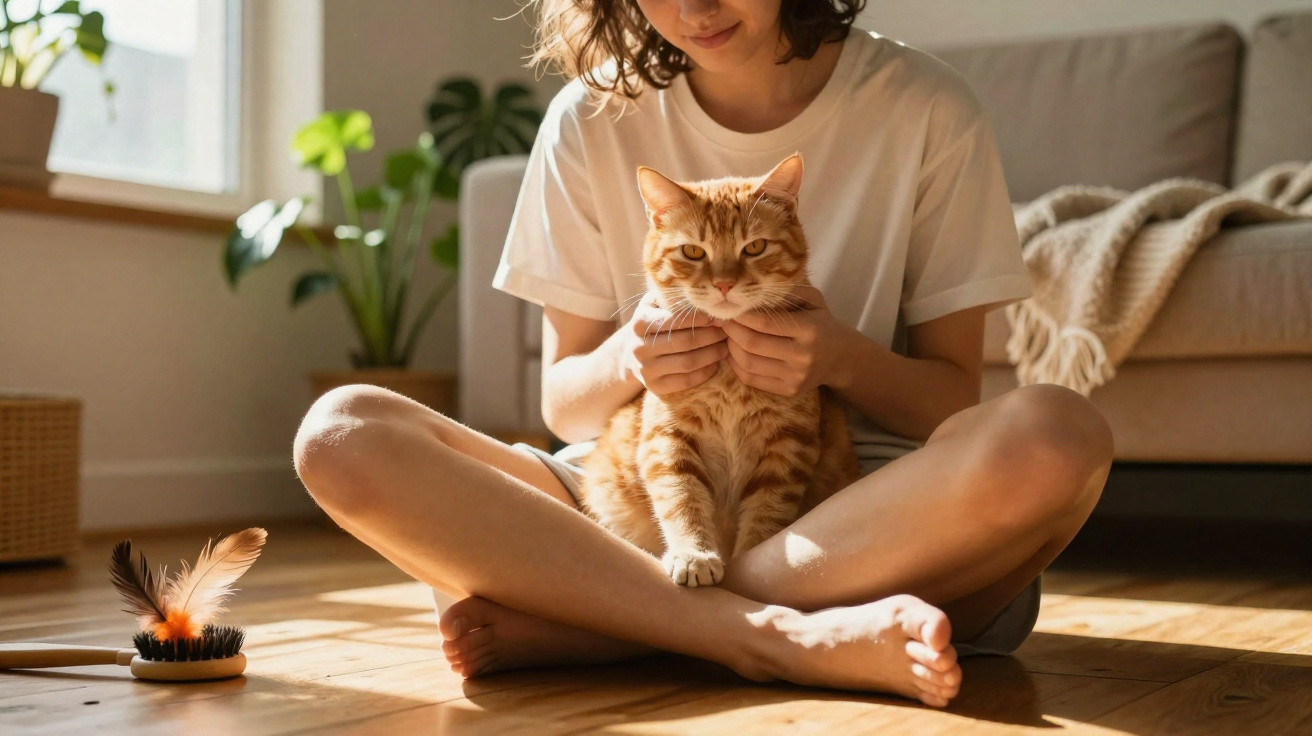
If you live with an orange cat, you may already have noticed that it is the sort to cling to your leg, meow for affection and seem to understand everything. It is not simply your imagination: the explanation is hidden right there in your pet’s coat.
The clue hidden in orange cats’ fur
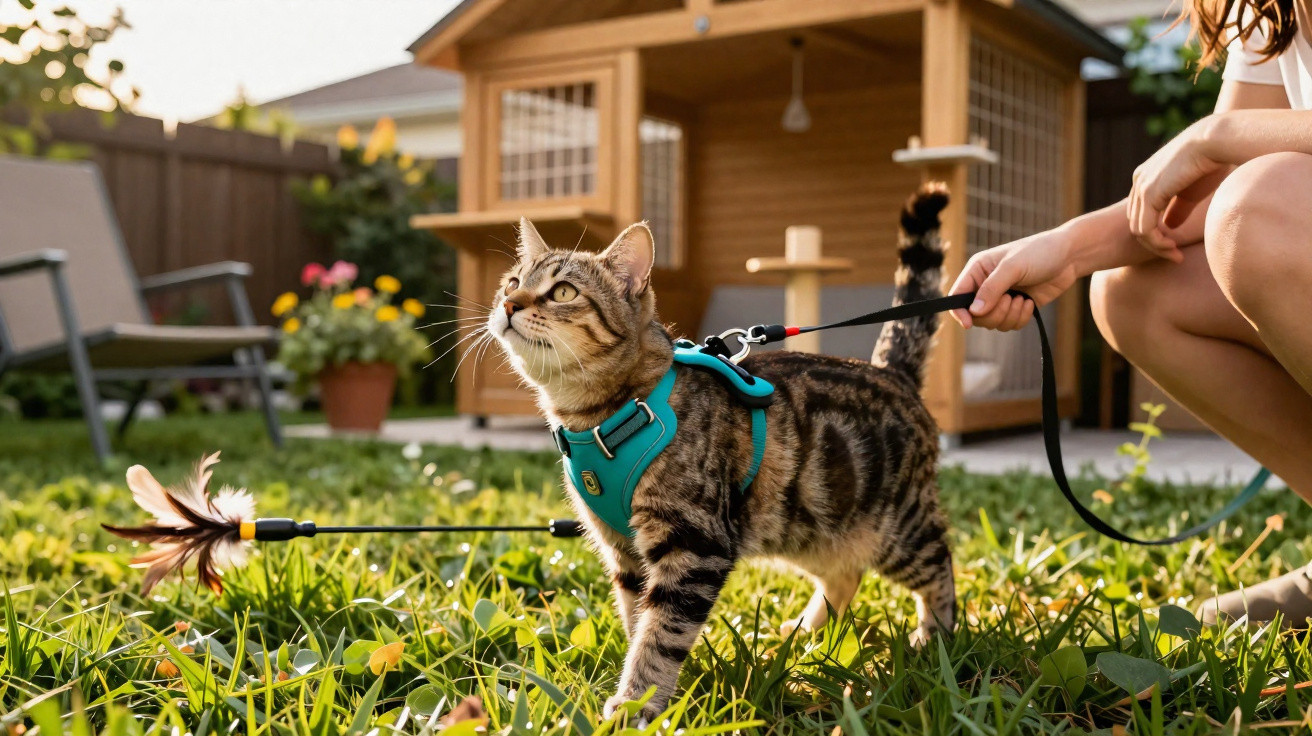
Veterinarian Carlos Gutiérrez says that virtually every orange cat belongs to the tabby cat group, even where its coat appears to be a single colour. This genetic pattern is often associated with more sociable behavioural tendencies, helping to explain why these cats are known for being so affectionate.
According to the expert, this feature may be easy to miss at home, yet a closer look reveals the distinctive markings in certain areas. The stripes are present, but they are masked by the orange shade that dominates the cat’s fur.
- Tabby pattern: most orange cats have subtle markings typical of this group.
- Sociable behaviour: they often seek human contact and enjoy family life.
- Where to look: the markings can be seen on the cat’s face, legs and tail.
- Genetic origin: both the coat colour and its pattern come from the same genetic basis as classic tabbies.
- A deserved reputation: this sociable tendency supports the image of the orange cat as an attached pet.
How this pattern shows up in daily life with your cat
At home, the effects of this genetic profile are often clearly noticeable. An orange cat may follow its owner from room to room, settle nearby while they are on the sofa and respond well when called, displaying the friendly nature that so many owners describe on social media.
Even so, Gutiérrez offers an important warning. A feline cannot be judged by appearance alone, as its temperament also depends on socialisation from kittenhood, the environment in which it lives and the experiences it gathers over the years.
The “M” marking on the forehead that few people notice
Another appealing trait of tabby cats is the “M”-shaped pattern visible on many of their foreheads. Numerous legends and popular beliefs surround this marking, but the veterinarian says the explanation is much simpler and more straightforward.
The mystery of the “M” on the face
Genetics, not symbolism
Gutiérrez explains that the well-known “M”-shaped mark between the eyes is simply a result of how colour is distributed across a tabby’s coat.
In other words, the pattern has no special meaning, even though it has become the subject of many stories shared by owners devoted to their cats.
This marking occurs in different breeds as well as in non-pedigree cats, always in connection with the same tabby pattern. Once you know about it, it becomes the kind of detail that is difficult not to spot whenever your cat comes close for affection.
Why your orange cat seems so attached to you
For anyone with an orange cat at home, recognising this connection can change how they view everyday life with their pet. Its habit of asking to be held, following its owner to the kitchen and sleeping alongside them in bed stops seeming like an individual quirk alone and begins to fit a profile shared by many cats.
Knowing this can also help when creating a suitable environment. These felines tend to do better with active companionship, regular play and opportunities for interaction, which prevent boredom and strengthen the bond between owner and animal.
Other shades that also conceal the tabby pattern
The same phenomenon seen in orange cats also occurs in cream- and grey-coloured felines, which have faint stripes connected to the same genetic basis. Breeds such as the Bengal and Abyssinian display this pattern in various ways, with spots and circular designs that go beyond traditional stripes.
Ultimately, examining your cat’s coat carefully may reveal far more than first meets the eye. It is a small domestic mystery combining genetics, behaviour and the quiet affection that only those who live with a feline truly understand.
If this fact about orange cats surprised you, share it with that cat-loving friend who will enjoy looking at their pet in a new way.









Comments
No comments yet. Be the first to comment!
Leave a Comment