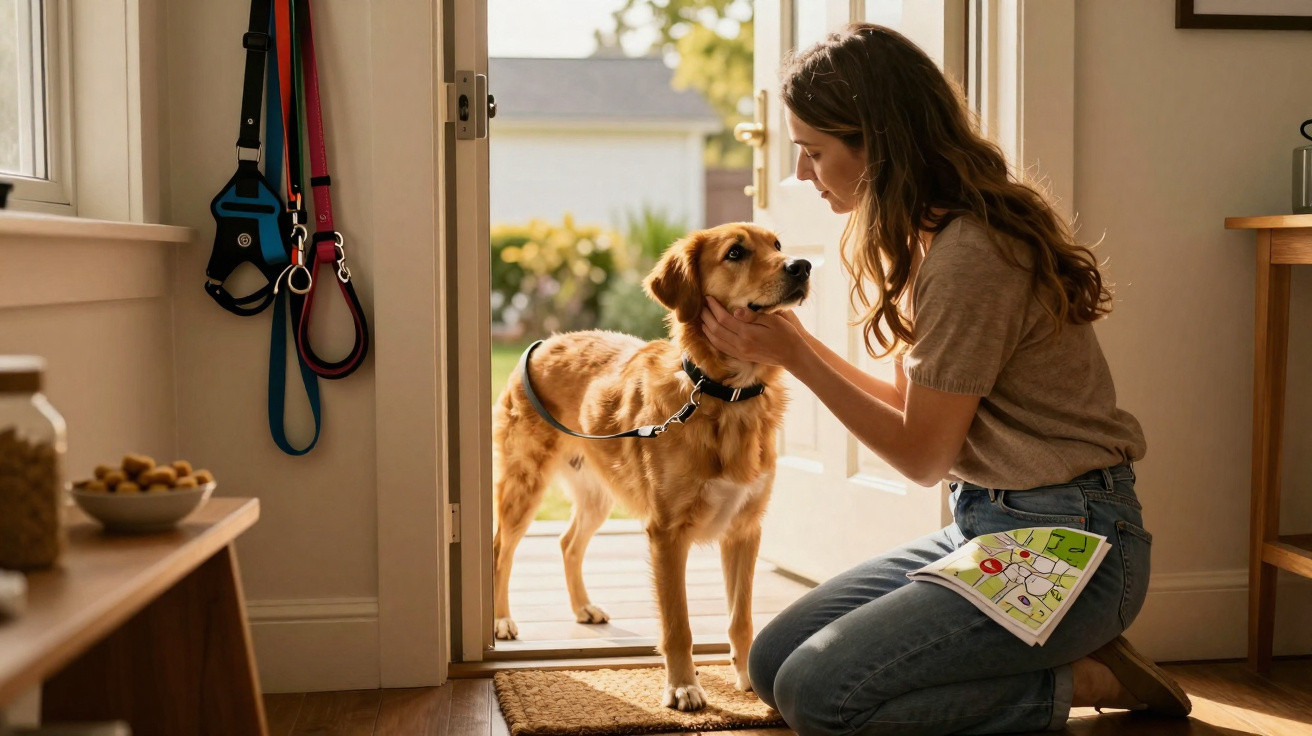
Many owners assume that simply taking their pet out for a walk is enough to support its wellbeing. However, when a dog comes back stressed after a walk, it may suggest that the outing was not as enjoyable as it appeared. Too many stimuli, too little time to investigate the surroundings and rushed walks can all heighten a dog’s anxiety. Understanding what happens during this time is essential to making walks genuinely healthy and enjoyable.
Why does a dog come back stressed after a walk?
A walk is not solely about using up physical energy. Dogs use this time to take in their surroundings, recognise scents and process valuable information. If everything happens too quickly, the animal may return home more unsettled than when it left.
Very busy places can also cause sensory overload. Loud noises, traffic, crowds and constant exposure to varied stimuli may create discomfort, especially for more sensitive dogs and puppies.
What signs show that a walk is causing stress?
Stress is not always easy to spot. Certain behaviours may seem ordinary, yet they can show that the animal is struggling to cope with the experience. Noticing these reactions can help you adapt the routine more effectively.
- Excessive panting, even when it is not particularly hot.
- Pulling continuously on the lead throughout the route.
- Barking excessively at people or other animals.
- Showing restlessness after getting home.
- Struggling to relax following the walk.
If these signs occur frequently, it is worth reviewing the route, the length of the walk and the amount of stimulation the dog encounters each day.
How can you make the walk calmer?
Improving the quality of a walk generally delivers better results than merely extending its duration. The aim should be to give the animal a balanced, enriching experience.
In the following video, dog trainer @BernardoAdestra shares practical advice on achieving this balance. He explains that the walk begins long before you leave home, and shows how simple obedience commands can help keep the dog’s attention on you:
How many walks a day are genuinely needed?
There is no single rule that suits every dog. Their needs depend on age, size, physical condition and behavioural traits. Some animals require more activity, whereas others are content with more moderate routines.
Rather than focusing on the number of times you go out, it is more important to ensure that at least one daily walk provides opportunities to explore, encounter different stimuli and enjoy calm moments. When the experience is positive, the dog is more likely to come home relaxed, balanced and content.








Comments
No comments yet. Be the first to comment!
Leave a Comment