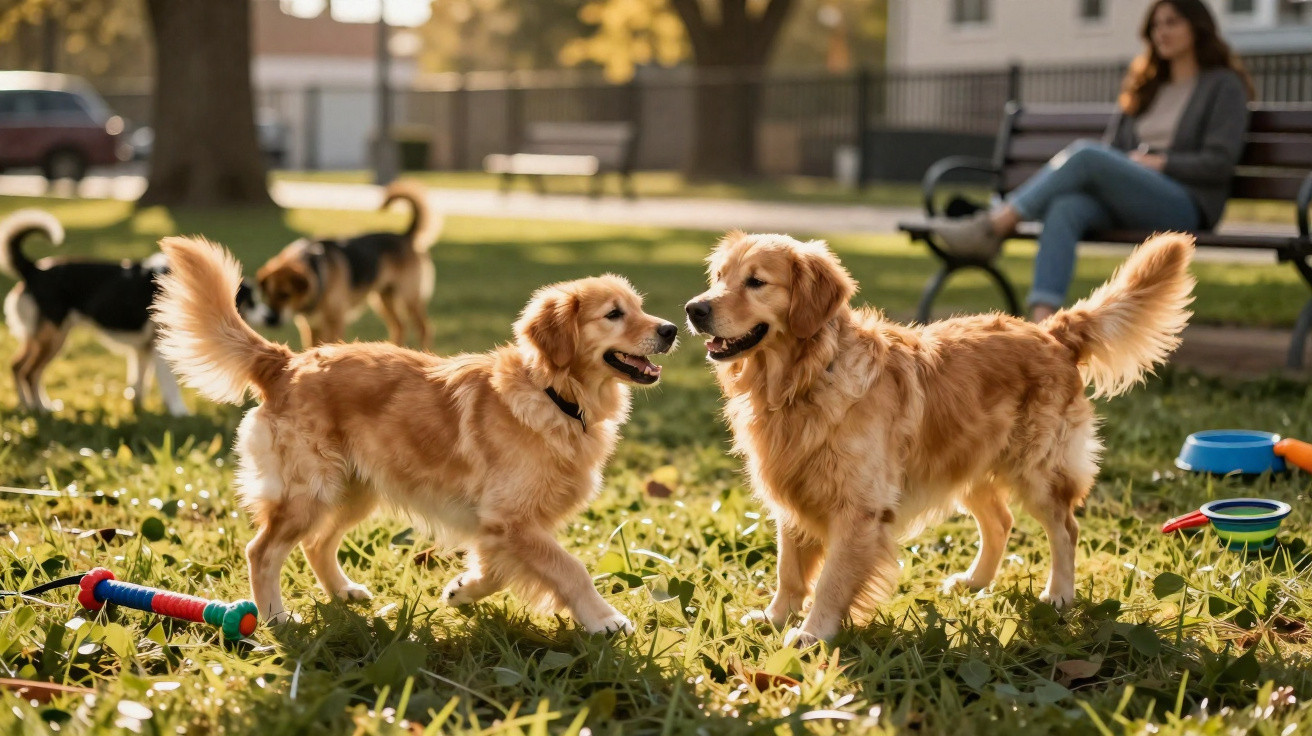
Dogs can benefit from brief, positive meetings with other sociable animals, provided the contact is introduced gradually and supervised. Play, walks alongside another dog and shared exploration can broaden their behavioural repertoire, although the ideal frequency varies according to each dog’s age, temperament and previous experiences.
Why can contact with other dogs improve wellbeing?
Domestic dogs have flexible social behaviour and can build bonds with people as well as other animals. Dogs living or spending time together communicate through body language, vocalisations and recognition of social cues, all of which are practised in balanced encounters.
The advantages are not limited to running or playing. Sniffing the surroundings with another dog, allowing breaks and responding to invitations to interact also provide mental stimulation. Potential benefits include:
- A broader range of ways to communicate with other dogs;
- Physical and mental energy expenditure;
- Better adjustment to different environments and situations;
- Less boredom in routines with limited stimulation;
- Learning boundaries through balanced play.
How many minutes of interaction are needed each day?
There is no minimum amount of time that applies to every animal. Some dogs benefit from ten or fifteen minutes of calm contact, whereas others may prefer simply walking in parallel, without physical play. The quality of the meeting matters more than extending an activity until the dog becomes tired or irritated.
How should you choose a suitable playmate?
An ideal companion does not have to be exactly the same size, but their energy levels, strength and play style should be compatible. A dog that enjoys running may disturb one that would rather sniff around, while vigorous physical play can frighten small, elderly or less socialised dogs.
A first introduction generally works best in neutral territory, with enough space for both dogs to watch and sniff each other without pressure. The following signs can indicate a comfortable interaction:
- Relaxed bodies and curved movements when approaching;
- Taking turns chasing and being chased;
- Natural pauses throughout play;
- Invitations to play with the front legs lowered;
- The ability to move away without being continually followed.
Are dog parks suitable for every dog?
Parks can be beneficial for sociable dogs that are used to groups, but they are not essential. Shy, elderly, reactive animals or those with a history of fear may feel more comfortable in one-to-one meetings. Crowded spaces with no control over entry and unfamiliar animals increase the risk of conflict and negative experiences.
How can you tell when a dog does not want to continue?
Repeated yawning, lip licking, hiding behind their owner, holding a rigid body or attempting to leave the area can all signal discomfort. Growling should not be punished either, as it serves as a warning. In these situations, the right approach is to increase the distance and end the introduction before the tension rises.
Some dogs may follow their owner around the home because of attachment and a desire for company, but this does not mean every dog needs to play with other animals. Canine wellbeing depends on respecting individual preferences, providing safe experiences and allowing each dog to decide when to approach or move away.

















Comments
No comments yet. Be the first to comment!
Leave a Comment