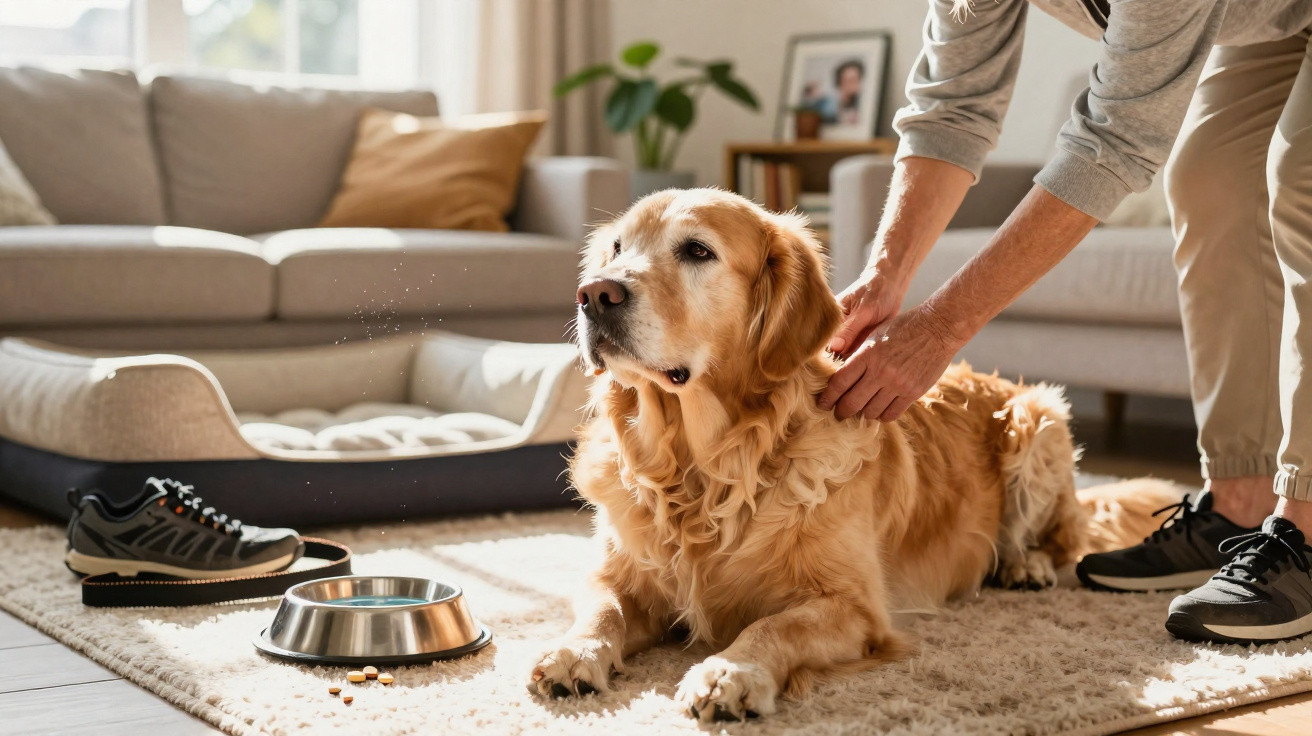
The age at which a dog grows old can vary far more than most owners realise. Although it is widely said that dogs become seniors at seven years old, veterinary research indicates that factors including size, breed, sex and lifestyle have a direct effect on this process. Knowing when old age begins is essential for providing appropriate care, preventing illness and ensuring the animal enjoys a better quality of life in its later years.
At what age is a dog considered senior?
There is no single age at which a dog can be said to enter its senior years. In general, veterinary professionals use seven years as an average benchmark, but this guideline does not apply to every breed.
Small dogs generally live longer and age more slowly. Larger dogs, by contrast, tend to age faster and may be regarded as senior before they reach eight years of age.
Which breeds age more quickly?
Body size is directly connected to the rate of ageing. Larger breeds are more likely to develop joint and metabolic problems earlier in life, which lowers their life expectancy compared with smaller dogs.
Among the examples most commonly seen by veterinarians are:
- Dogue de Bordeaux, which often ages prematurely.
- Labrador Retriever, which is prone to joint problems as it gets older.
- Border Collie, which may experience physical wear and tear in the later stages of life.
- Cocker Spaniel, generally considered senior at around 11 years old.
- Jack Russell Terrier, which may not reach old age until after 14 years old.
What are the signs that a dog is ageing?
The signs of old age can appear gradually, and owners often fail to notice them. Changes in behaviour, energy levels and physical appearance can indicate that the body is undergoing natural age-related changes.
To help you spot these subtle changes in time to support a better quality of life for your pet, veterinary surgeon @druilliansvolkart has prepared a detailed guide. In the following video, he identifies 7 clear signs that your dog is entering its senior years and explains which care measures to adopt:
How can you improve a senior dog's quality of life?
Following a preventive care routine is the best way to ensure comfort and wellbeing throughout old age. Regular veterinary appointments can help identify illnesses early, allowing for more effective and less invasive treatment.
A balanced diet, moderate exercise and good dental hygiene also help to protect the animal's health. When owners recognise the early signs of ageing and adjust care to meet their dog's needs, they can provide greater longevity, mobility and quality of life during this particularly important stage.










Comments
No comments yet. Be the first to comment!
Leave a Comment