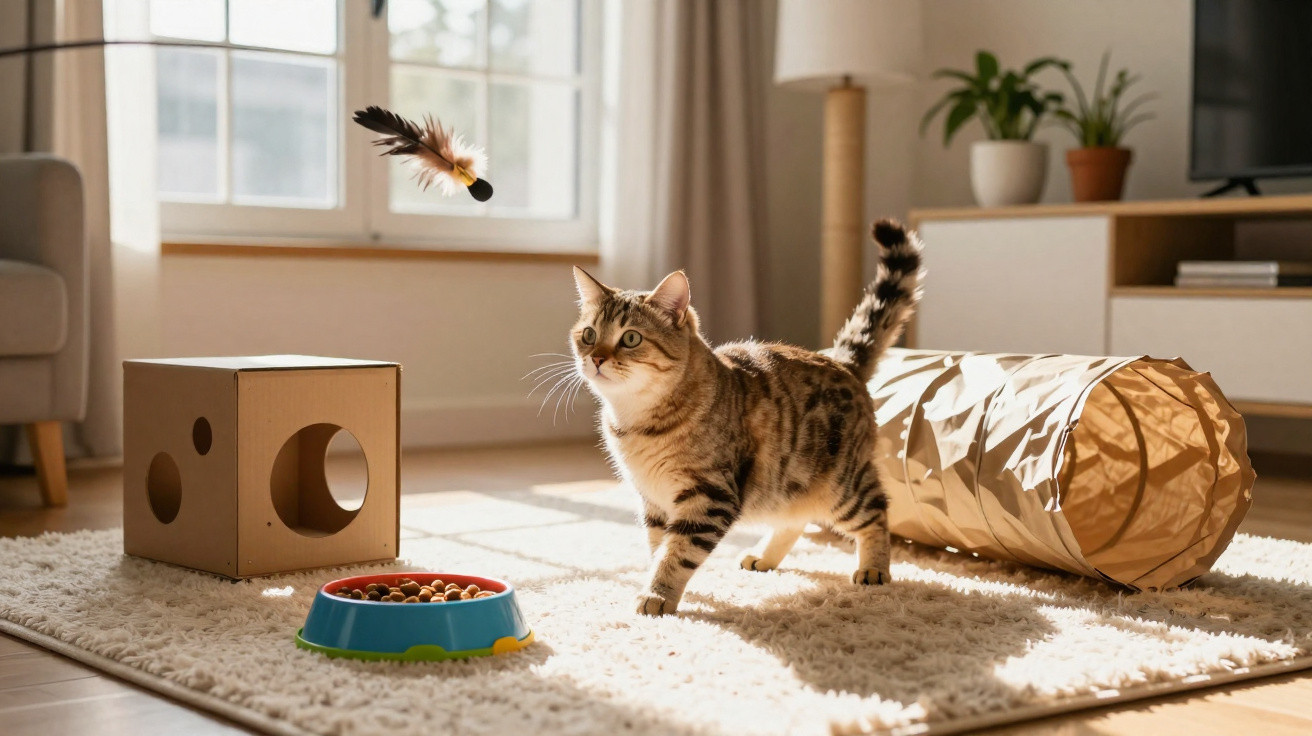
Living in a modern flat can leave cats bored and stressed because their everyday routine lacks suitable stimulation. This prolonged isolation often leads to unwanted scratching of furniture and excessive meowing, which can greatly worry even the most dedicated owners.
How can environmental enrichment transform feline behaviour?
Introducing enjoyable activities can ease anxiety and significantly improve the overall wellbeing of domestic cats. When animals have healthy ways to use their physical energy, they quickly stop making a mess around the home.
Experts say that keeping a cat occupied recreates the challenges it would once have encountered in the wild. Mental engagement prevents dreadful boredom and creates relaxing moments, making the animal much more calm in its own environment.
These are the main benefits this healthy practice brings to the home routine:
- Reduced stress: Dramatically lowers feline anxiety.
- Weight control: Helps tackle obesity by encouraging physical exercise.
- Mental stimulation: Develops intelligence and reasoning skills.
- Less scratching: Prevents serious damage to household furniture.
- Regulated sleep: Improves the overnight rest of domestic animals.
Why do interactive toys reduce cats’ restlessness?
Objects that dispense food gradually require cognitive and physical effort before a meal can be earned. Having to solve small daily challenges keeps cats focused on a positive activity and greatly reduces the most unwanted feline behaviours.
By biting, pushing and tearing suitable materials, pets release dopamine, which is directly linked to genuine pleasure. This biological process tires the body and stabilises emotions, bringing greater calm to cats living in a completely enclosed flat.
Below is a video from the Larissa Rüncos YouTube channel that explores the points discussed in this topic in greater depth:
What are the best interactive feeder options for cats?
There are excellent commercial models designed specifically to challenge each cat’s natural intelligence throughout the day. Plastic balls with small adjustable openings are ideal, as they release dry food kibble while the animal moves the toy across a clean floor.
The right stimulation
Playful feeding
Replacing traditional bowls with more challenging alternatives can transform feline mental health.
Hunting for its own meal directly helps combat obesity and the stress of confinement.
Another useful option is a vertical maze, which requires active use of the paws to retrieve the kibble. Rubber slow feeders can hold tasty wet food, encouraging beneficial licking during long periods when the animal is alone.
These are the commercial models most often recommended by veterinary behaviourists:
- Balls with adjustable openings for dry food.
- Rigid mazes with internal vertical barriers.
- Textured discs and hard-wearing rubber chew toys.
How can you make homemade interactive toys without spending anything?
You do not need to spend a great deal of money to begin this innovative process of environmental enrichment in your home. Simple disposable items that would otherwise be thrown into the general waste can become fantastic toys when used with an owner’s creativity.
Empty toilet-roll tubes work very well as simple dispensers for tasty dry treats. Sealed cardboard boxes with small holes in the sides awaken the strong natural hunting instinct that felines retain in their day-to-day lives.
These accessible recyclable items can be used to make homemade accessories:
- Clean toilet-roll tubes without creases.
- Shoe boxes or tea boxes with holes.
- Small plastic bottles that have been cleaned and properly pierced.
What is the ideal amount of time to spend on this activity each day?
Professionals recommend setting aside at least fifteen minutes each day to interact directly with the animal and monitor its learning. This short session makes it possible to adjust the difficulty of the challenges, maintaining continued interest and preventing any frustration in the stimulated pet.
Over time, the amount of food served in ordinary bowls should be reduced substantially at home. This gradual change turns the feeding routine into a wonderful, healthy game and visibly improves coexistence for everyone in the owner’s home.
Also read: Essential tips for interpreting feline body language and understanding your cat’s behaviour









Comments
No comments yet. Be the first to comment!
Leave a Comment