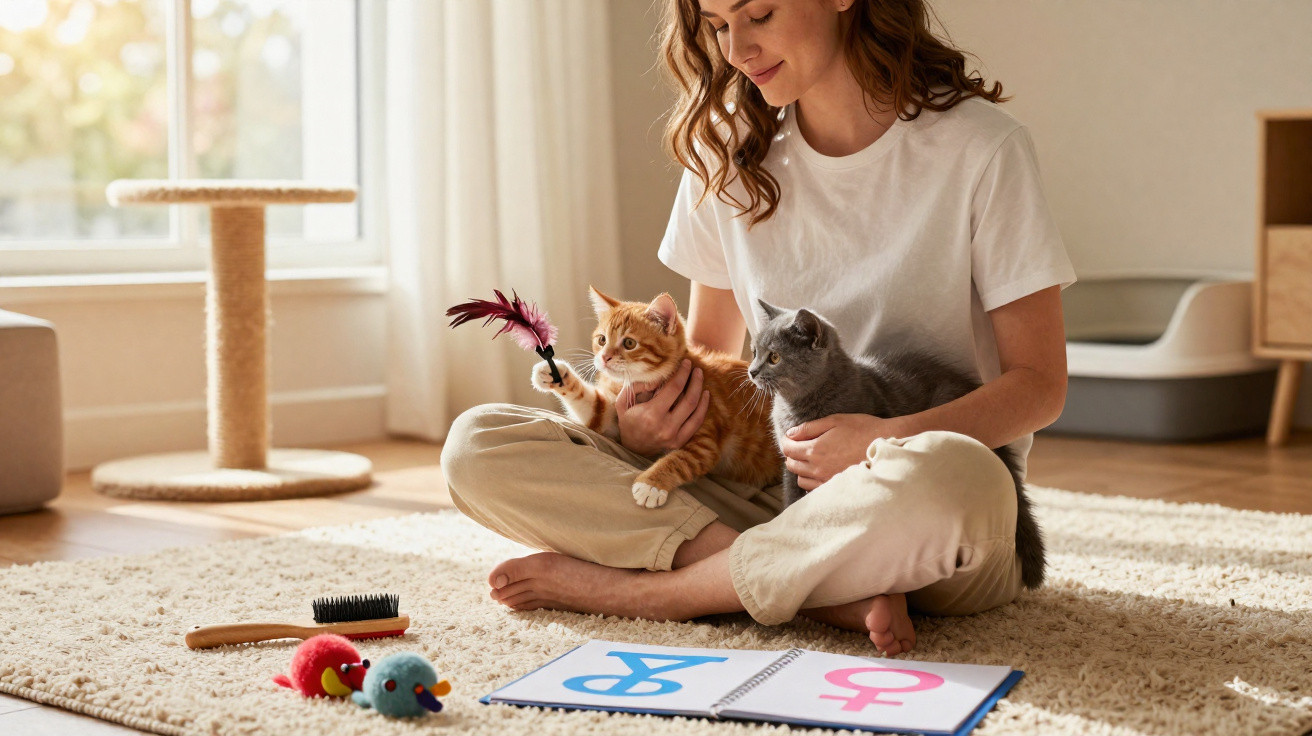
Bringing home a new family member with whiskers and paws often raises the same question: male or female? Online forums are full of myths, from “tomcats are lazy” to “female cats are cuddly”. Veterinary behaviourists and feline psychologists paint a far more nuanced picture – and one finding may surprise many people.
Why a neutered tomcat often becomes a cuddling expert
How hormones shape life together
The most significant distinction between a tomcat and a female cat is largely invisible in day-to-day life: hormones. While a tomcat remains unneutered, testosterone and the urge to reproduce drive his behaviour. He wants to expand his territory, impress rivals outdoors and spread pheromones. This can result in restlessness, persistent calling and sometimes risky excursions.
Once he has been neutered, the picture often changes. Hormone levels fall and his priorities shift: rather than constantly being mentally focused on the outdoors, the tomcat becomes more attached to his home and the people in it. Many owners say their pet appears noticeably more affectionate and settled afterwards.
A neutered tomcat is statistically more likely to show cuddly, people-orientated behaviour than a neutered female cat – particularly in busy family households.
Behaviour specialists attribute this to the removal of the internal pressure to patrol a huge territory and seek potential mates. Put simply, the tomcat has more mental space for affection, play and rest.
Why tomcats are often more relaxed around children
In a family home with children, visitors and plenty of activity, resilience and patience are invaluable. This is an area where many neutered tomcats perform particularly well:
- They are generally more willing to be picked up and stroked.
- They often tolerate a certain level of noise and bustle without immediately hissing or withdrawing for days.
- They frequently initiate contact themselves, jumping onto laps, nudging with their nose or deliberately lying across a keyboard.
Naturally, this does not apply to every individual animal. Even so, behavioural surveys show a clear trend: on average, neutered tomcats are more sociable and easier to manage when a household is busy. Anyone hoping for a “four-legged velcro cat” therefore quite often ends up choosing a male.
When a female cat has a mind of her own
Independent, selective and often full of character
For many cat owners, this is exactly the appeal: the strong, occasionally stubborn personality of a female cat. Female animals show self-directed behaviour more often than average. Affection is available, but on their terms. She approaches when she chooses to – and leaves when she has had enough.
Depending on expectations, this can feel either wonderfully charming or rather disappointing. Someone hoping for a permanently available lap cat may quickly encounter limits with a highly independent female cat. Owners repeatedly describe the following typical traits:
- She allows only selected people into her “inner circle”.
- She responds sensitively to changes, such as new furniture or unfamiliar visitors.
- She decides the timing and duration of stroking without compromise.
In quieter homes, such as those of single people or couples without children, this type of animal can be an ideal fit. The female cat keeps a respectful distance, occasionally seeks affection and still maintains her own rhythm of life.
When temperament can become difficult
Animals with strong personalities need people who respect that. Anyone who automatically treats every cat like a dog, constantly wanting to pick it up or entertain it, can easily create conflict. A female cat that feels pressured may retreat, defend herself or react aggressively. This is especially true of animals that are already naturally independent and selective.
Anyone looking for a confident, self-directed feline companion will often be happy with a female cat – anyone expecting a lively cuddly cushion probably will not.
The unneutered tomcat and scent marking
When territorial behaviour takes over the home
There is one key warning from practical experience: an unneutered tomcat can place a considerable strain on everyday life. His body is programmed to establish territorial boundaries and deter rivals. One of his main tools for doing so is urine marking.
Unlike normal toileting, the tomcat will usually raise his tail and spray small amounts of urine onto walls, furniture, doors or curtains. For people, the odour is extremely strong and difficult to remove. Once it has become an established habit, it can also be hard for an animal to stop – even if he is neutered later.
Other issues include:
- Loud, persistent calling – particularly at night and during the mating season.
- A strong urge to get outdoors in order to find other cats.
- A greater risk of injury through territorial fights with other cats.
Anyone living in a flat or in close proximity to neighbours should therefore think very carefully about whether an unneutered tomcat is genuinely suitable. From a veterinary perspective, vets almost always recommend neutering anyway, for health, animal welfare and more peaceful co-existence.
Which combination suits which household?
Advantages and disadvantages at a glance
| Type | Everyday strengths | Potential challenges |
|---|---|---|
| Neutered tomcat | Usually very affectionate, sociable, resilient to stress and suited to family life | Can sometimes be rather demanding and needs plenty of attention and play |
| Neutered female cat | Independent, often calmer and well suited to smaller households | May be reserved and accepts affection only at certain times |
| Unneutered tomcat | Strong territorial behaviour, used for specific breeding aims | Urine marking, loud calling, and a risk of fights and injuries |
Character matters more than cliché
Despite all statistical patterns, every cat is an individual. Some female cats are extremely affectionate, while some tomcats are reserved. Choosing solely on the basis of sex, without considering the individual animal, often means overlooking the most important clues.
Reputable rescue centres and breeders observe their animals closely and can usually judge fairly well which one is more likely to be a cuddly sofa companion and which is an independent loner. An open discussion about expectations and daily circumstances is far more useful than fixed assumptions.
What matters is the combination of sex, character and living environment – not any one factor on its own.
How environment and care also shape personality
A low-stimulation flat or an adventure playground?
Whether tomcat or female cat, an indoor cat that is not sufficiently stimulated can develop behavioural problems. Scratching furniture, racing around at night, aggressive play or excessive meowing often have the same cause: boredom or stress.
A cat-friendly home involves more than food and a litter tray. Useful provisions include:
- Scratching posts and raised resting places with a view.
- Hiding places, dens and quiet retreats.
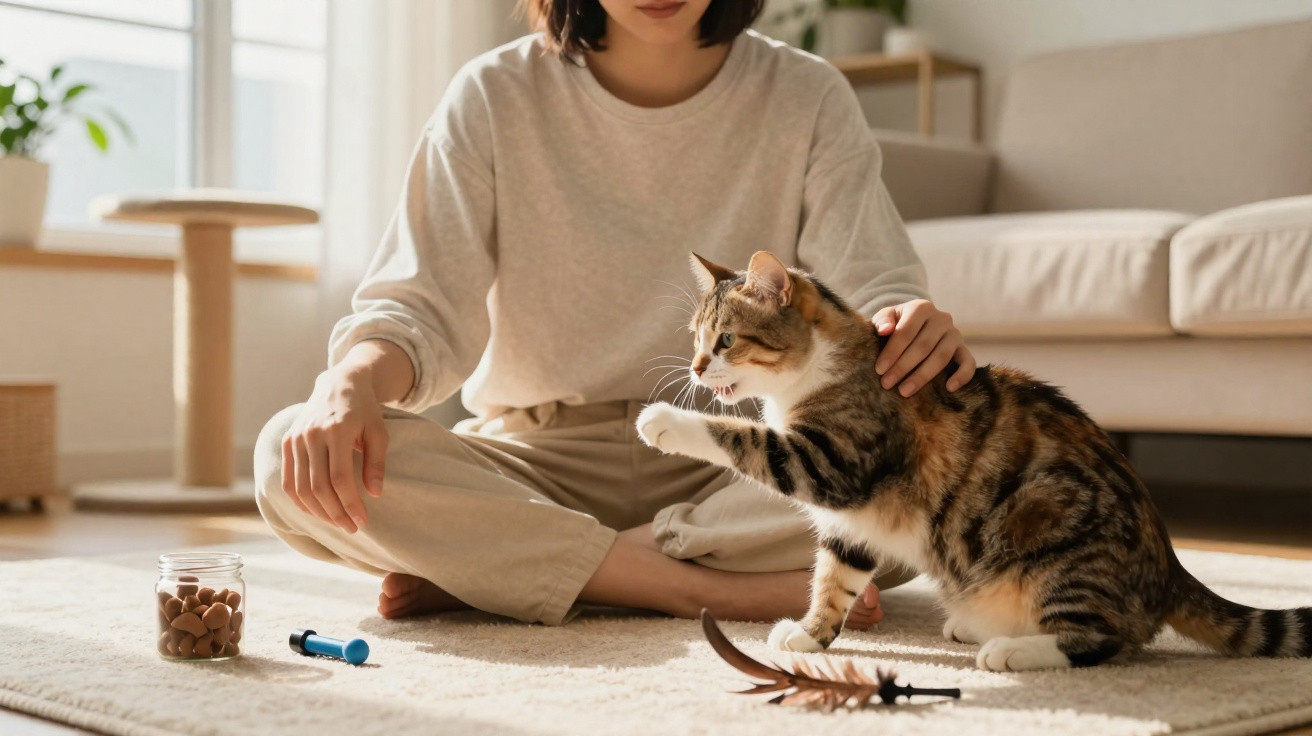
- Daily play sessions with people, for example using a fishing-rod toy.
- Puzzle toys or treat balls that challenge the mind.
Taking these needs seriously prevents or eases many conflicts, regardless of whether a tomcat or a female cat is lying on the sofa.
Reading subtle signals early
Another factor that makes co-existing noticeably easier is understanding body language. A twitching tail, flattened ears, dilated pupils or sudden grooming in the middle of play can all signal stress, overstimulation or irritation.
When people respond early, give the animal space or change the game, fewer misunderstandings arise. This respectful approach builds trust enormously, especially with female cats that are naturally independent. With affectionate tomcats, it helps prevent them from learning that unwanted behaviour is the only way to gain attention.
Practical decision-making before getting a cat
Anyone who is still unsure can use a few guiding questions:
- How hectic is my everyday life? Are there children, visitors or shift work?
- Am I looking for an affectionate “sofa cat” or an independent animal?
- Am I prepared to arrange neutering consistently and provide preventative veterinary care?
- How much time do I have each day for play, grooming and attention?
In practice, many families find that a neutered tomcat is a very harmonious choice. People who value quiet evenings, clear boundaries and a little distance are often happy with a female cat with a strong character. Those open to either option should ideally decide according to their impression of the individual animal at a rescue centre or foster home.
Ultimately, it is not just about whether a male or female cat walks through the living room. What matters is whether temperament, needs and lifestyle fit together – because that is when a “pet” quickly becomes a genuine family member.















Comments
No comments yet. Be the first to comment!
Leave a Comment