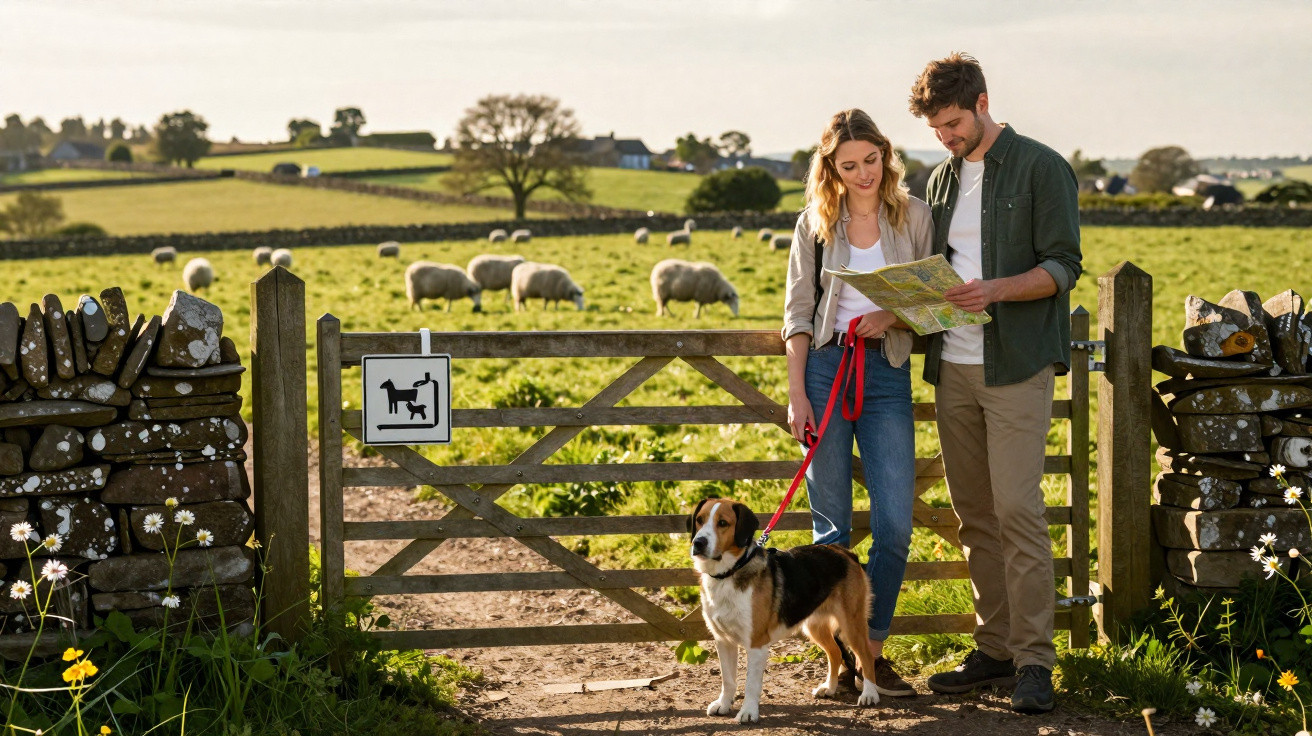
A legal reform is making dog walks across meadows and fields on the British Isles more delicate than before. Requirements for dogs near livestock are being tightened substantially, the cap on fines is being removed and police powers are being expanded significantly.
What the new dog law involves
The Dogs (Protection of Livestock) (Amendment) Act 2025 comes into force in England and Wales on 18 March 2026. It updates legislation dating from 1953, when there was far less recreational activity in the countryside and dog ownership looked very different from today.
At the heart of the change is a much greater duty on dog owners whenever their animal is close to livestock. The authorities want to curb the rising number of incidents involving sheep, cattle and other grazing animals. For families with dogs, walks will remain permitted, but the rules will be stricter and breaches more costly.
“Simply disturbing or chasing sheep or cattle may now be treated as a criminal offence – physical contact will no longer be required.”
No bite required: chasing alone may be an offence
One crucial feature of the reform is that a dog no longer has to bite or injure an animal before legal consequences arise. It is enough for it to chase, harass or panic grazing animals.
The UK Government makes this explicit: a brief sprint by a dog towards a flock of sheep, frantic barking at a fence or startling cattle may already be classed as “worrying livestock” – in other words, unlawfully disturbing farm animals.
This does not apply only on the pasture itself. Paths and roads running alongside fields are also covered. Anyone who lets their dog run free in the countryside “just for a moment” could therefore quickly enter a legal grey area.
More animal species protected than before
The law will no longer cover only traditional livestock such as sheep, cattle, goats and pigs. So-called camelids will now receive protection as well:
- Llamas
- Alpacas
Anyone walking a dog past farms where these animals are kept must take the same precautions as they would near sheep or cattle.
Unlimited fines and extensive police powers
Previously, the maximum penalty for worrying grazing animals was £1,000. That limit is now being removed entirely. Courts will be able to impose fines of any amount, depending on the seriousness of the incident, the farmer’s losses and the owner’s financial circumstances.
The changes do not end there: police will have a considerably broader set of powers to investigate incidents and prevent further attacks.
- Entering premises to secure evidence
- Seizing dogs after an incident
- Taking samples, such as DNA, where necessary
- Requiring owners to cover the costs of the dog’s seizure and kennelling
This may appear severe to many dog owners, but the political approach is clear: anyone who keeps an animal must ensure it does not endanger other animals and must bear financial responsibility for the damage if the worst happens.
“There is now no upper limit on the fine. In extreme cases, a single incident can become a genuine financial risk for a family.”
What families with dogs need to consider now
The Government stresses that it does not intend to ban dog walking. On the contrary, people should continue to enjoy the countryside. The legislation is not aimed at leisure activities, but at irresponsible behaviour.
Anyone out with a dog should follow several straightforward rules:
- Use a lead near grazing animals: As soon as sheep, cattle, goats, llamas or alpacas are in sight, the dog should be on a lead.
- Stay on paths: Use marked routes on public footpaths rather than cutting across pastureland.
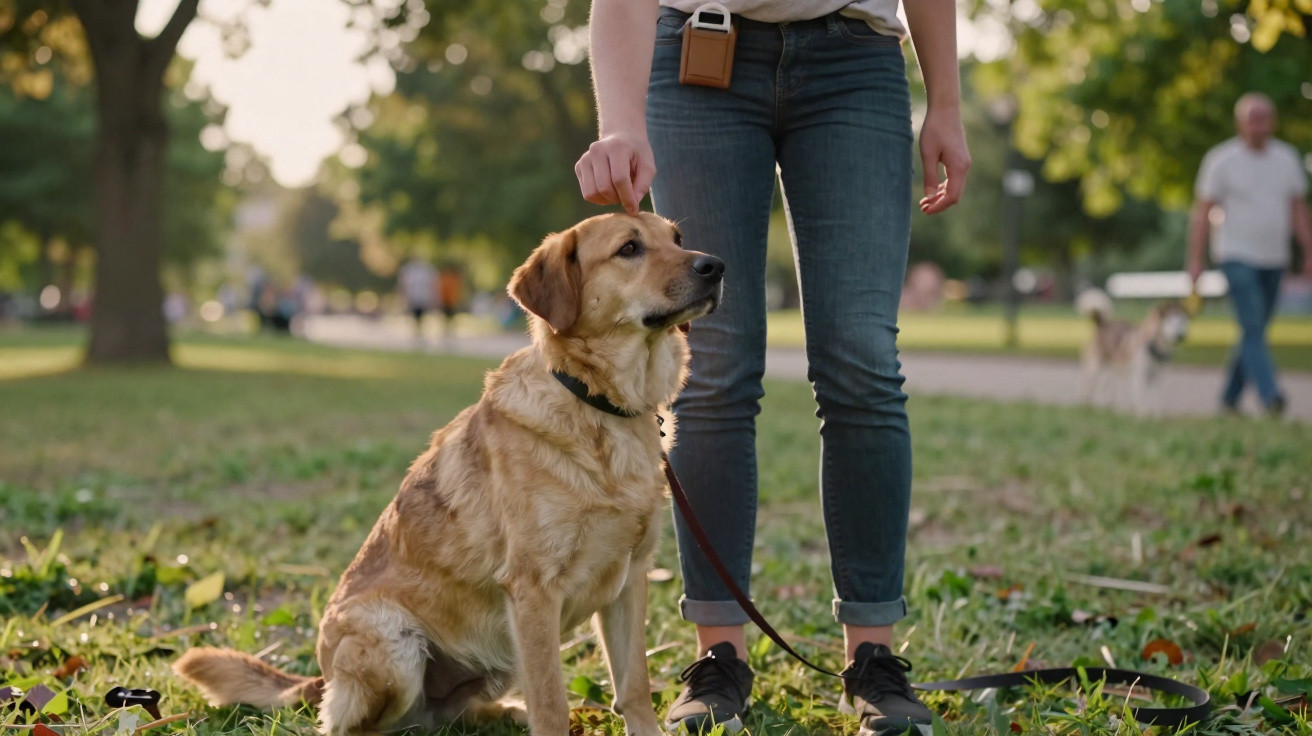
- Keep the dog under close control: Do not allow off-lead exercise unless recall is completely reliable.
- Take warning signs seriously: Observe farmers’ notices about cows with calves, bulls or lambs.
- Plan the route: Those with a particularly energetic dog should choose routes that avoid grazing fields.
Many difficult situations happen because dogs simply switch into “hunting mode” when a herd begins moving. Even well-trained animals may then stop responding reliably. This is exactly where the reform intervenes: responsibility rather than hoping nothing will happen.
New protection for responsible owners
The reform also contains a small but important addition for people who normally have their dog under control. Owners who can prove that the animal came into someone else’s possession without their knowledge or consent – for example, through theft – should not automatically be held liable. Lawmakers are responding to cases in which dogs have been misused or abducted.
Why the issue matters far beyond Great Britain
Although the reform applies only to England and Wales, the conflict between recreational pressure and farming has few borders. Farming associations in Germany, Austria and Switzerland also repeatedly report lambs being killed, calves being injured and heavily pregnant cows breaking through fences in panic.
Many farmers have been calling for tougher rules for dogs running free for years. The UK approach could therefore serve as a model – or at least fuel debate in German-speaking countries. The central question is the same everywhere: how much freedom should a dog have in open countryside before others suffer as a result?
Risks for owners and dogs
Anyone allowing their four-legged companion to run among cows with calves or a flock of sheep is risking more than money; they are also putting their own safety at stake:
- Panicked cattle can knock people over and cause serious injuries.
- Sheep may fall or sustain severe injuries while trying to escape.
- Farmers may intervene themselves to protect their animals – including shooting the dog in extreme cases.
The strict new penalties in England and Wales therefore also reflect the reality on the ground: more and more people with dogs are using rural paths, while pressure on agricultural businesses is increasing at the same time. Conflicts are inevitable when rules are too lax or ignored.
Practical advice for safe walks abroad
Anyone travelling to Great Britain with a dog from a German-speaking country should make sure they adapt to the new requirements. Saying “this is fine where we live” will not protect anyone from a penalty there. A few simple measures can help avoid stress:
- Check regional dog rules before travelling.
- Pack a sturdy lead of sufficient length.
- Use a harness rather than a collar – it provides more control and reduces the risk of injury.
- Practise recall beforehand instead of testing it for the first time on holiday.
- Use map apps to find routes that avoid grazing land.
Those who follow these points can continue to enjoy the British countryside calmly – with their dog, without conflict with farmers and without fearing a five-figure fine.
The new legal framework makes one point clear: dogs remain welcome as long as their owners keep them under control. In practice, little will change for responsible dog owners – except that they now know how costly carelessness in the wrong field can be.













Comments
No comments yet. Be the first to comment!
Leave a Comment