A neighbourhood disagreement can quickly become a costly noise dispute.
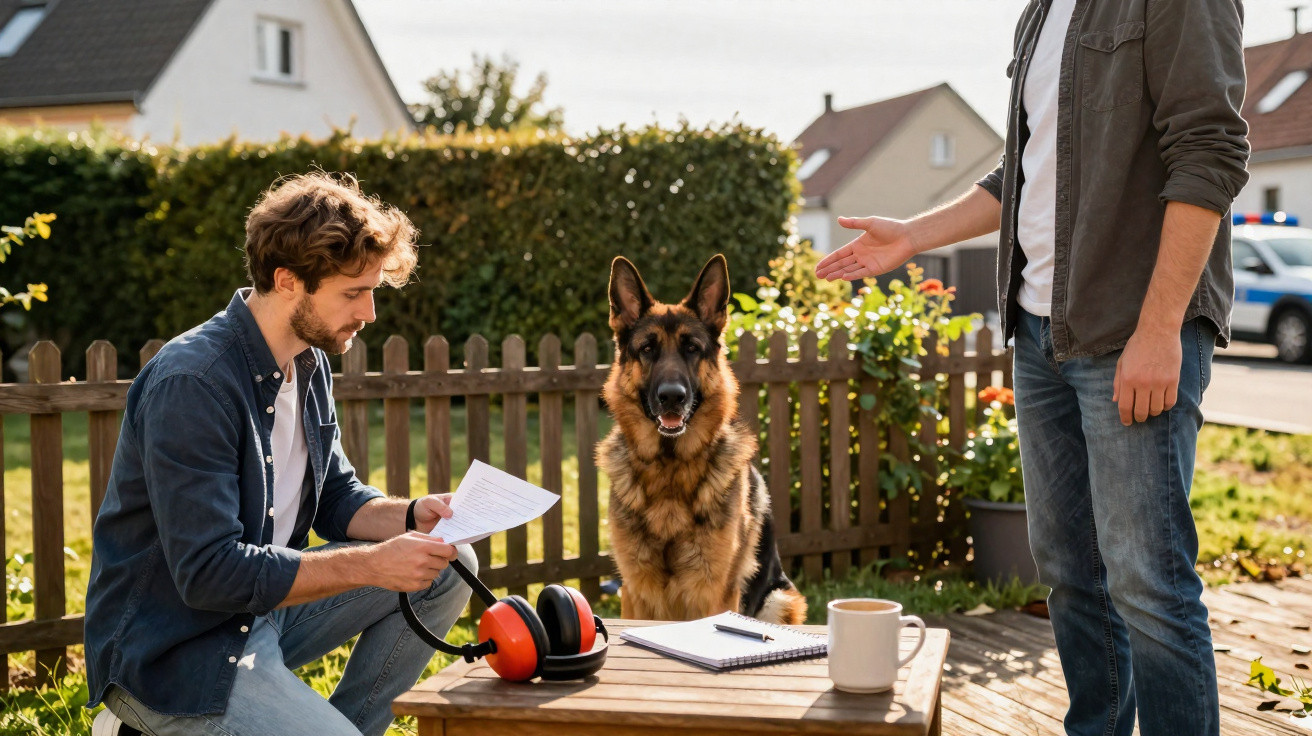
In a small community, a couple with a German Shepherd found themselves at the centre of a legal storm: their dog barked, a neighbour felt seriously disturbed, and the household ultimately received a hefty €135 fine. The case illustrates how everyday noise can rapidly turn into an official proceeding – and what responsibilities dog owners actually have when barking becomes persistent.
How dog barking becomes an official noise offence
When a barking dog becomes a legal issue
In legal terms, a barking dog is not automatically breaking the law. Neither France, where the case described took place, nor Germany bans dogs from making noise in itself. The crucial question is whether there is what is known as “unacceptable noise”.
Three factors are relevant when assessing this:
- Duration: Does the dog bark for a long time or almost continuously?
- Frequency: Does the barking recur every day, often including at night?
- Volume: Is the barking so loud that nearby residents can barely find peace in their home or garden?
When these elements coincide, authorities and courts often describe the situation as “neighbourhood noise that can no longer reasonably be tolerated”. One brief bark when a parcel courier arrives is not enough. However, the assessment changes when a dog barks in the garden for hours.
“What matters is not whether a dog barks, but how often, how loudly and for how long.”
In many instances, a report from the police or gendarmerie is sufficient to record the offence. An elaborate decibel measurement is generally not required. Officers document what they observe on site, and this can later form the basis for a fine and further action.
€135 fine – and it can become more expensive
In this case, the couple concerned were issued with a €135 fine. In France, this is the standard level for noise offences in this category, comparable to a three-figure fine in Germany.
That does not necessarily bring the matter to an end. If the issue continues, more severe consequences may follow:
- higher fines reaching the mid-hundreds
- civil claims by the neighbour for compensation
- court orders requiring different arrangements for keeping the dog or the introduction of noise-control measures
- in extreme situations, even the removal of the animal by court order
Such far-reaching measures are uncommon, but they serve as a means of pressure. Authorities want owners to find solutions before the conflict escalates completely.
Why a police visit is so important
An official visit from the police or gendarmerie is often the decisive point in disputes of this kind. Before that, it is usually “only” a disagreement between neighbours. Once officers record an on-site visit, the matter takes on a very different status.
The visit serves several purposes:
- Confirmation of the noise complaint: Officers hear the barking for themselves.
- Evidential value: Their report can later support the fine.
- Basis for legal action: Anyone wishing to take the matter to court needs documentation of this kind.
“A police report turns ‘The dog is annoying’ into an official case file, with all the legal consequences that brings.”
In the case described, the officers’ visit marked the turning point: a strained relationship between neighbours became a formal noise case with a set penalty.
How to prevent neighbourhood disputes over dog barking
Mediation rather than a prolonged dispute
Before lawyers, courts and authorities become involved, there is a far more pleasant option: mediation. In many communities, mediators or voluntary conflict advisers offer discussions, usually free of charge.
At a moderated meeting, the dog owner and neighbour can each explain their perspective:
- At precisely what times does the barking disturb the neighbour?
- How does the owner experience the situation with their dog?
- Which small changes could realistically be made in the short term?
Even straightforward adjustments can often create considerably more peace and quiet, for example:
- changing walking times so the dog does not bark in the garden early in the morning or late at night
- creating a designated quiet area indoors when visitors or tradespeople arrive
- providing a sheltered space where the dog sees and hears fewer outside triggers
“Many noise disputes are resolved once both sides feel that they have been heard and taken seriously.”
The sooner owners seek a direct conversation, the more likely the relationship within the street or village is to remain reasonably intact. By contrast, a legal battle often poisons the atmosphere for the long term.
What persistent barking reveals about a dog
Constant barking is not only a nuisance for neighbours; from an animal-welfare perspective, it can also be a warning sign. There is often more behind it than simply “a dog that happens to bark”.
Common triggers include:
- Boredom: The dog has too little stimulation and looks for an outlet.
- Fear or insecurity: Every stimulus is perceived as a threat.
- Separation stress: The dog feels abandoned when its owners are away.
- Territorial behaviour: The dog attempts to “defend” the home and property loudly.
This can be particularly pronounced in a German Shepherd, an alert and active working breed, where high energy levels and protective instincts meet. If that potential is not directed appropriately, the problem can intensify. A specialist dog trainer or behaviour adviser can make a substantial difference.
Useful measures include:
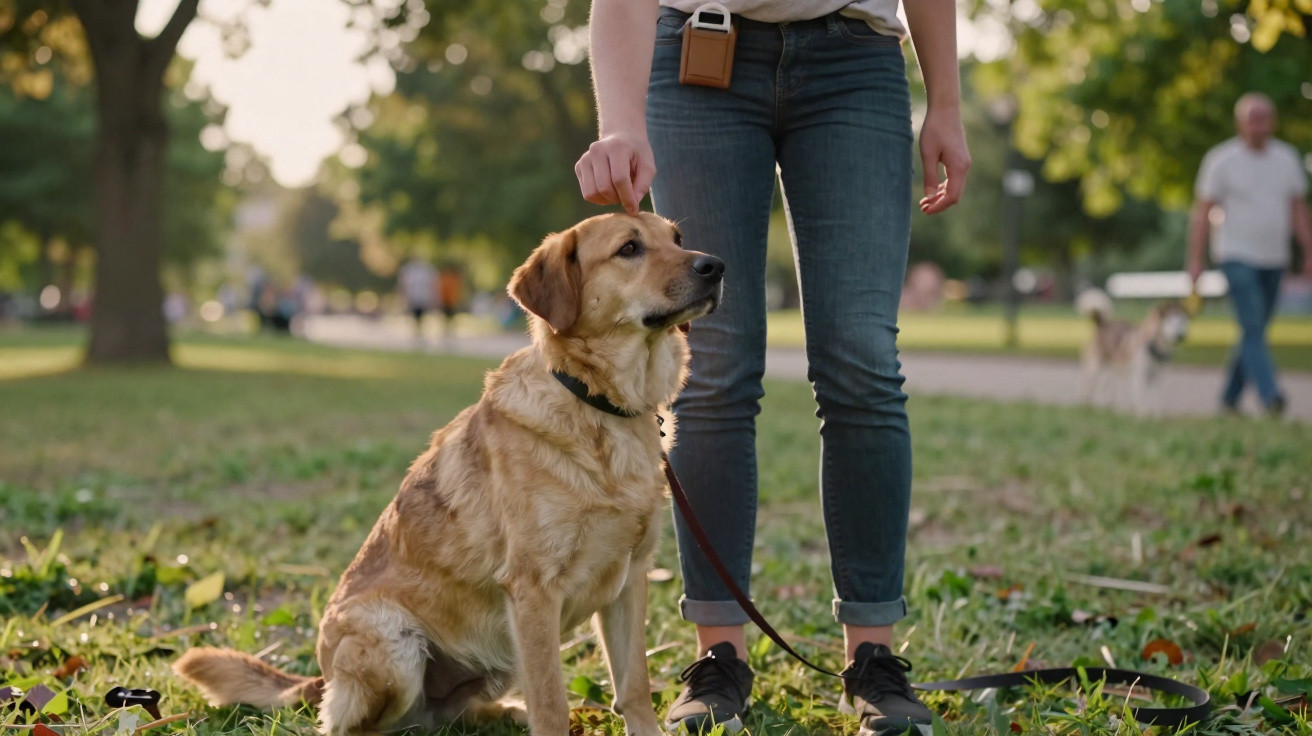
- more mental stimulation, such as scent games, nose work and short training sessions
- a clear daily routine with fixed rest periods
- positively structured training to help the dog stay alone
- targeted exercises to teach the dog to remain calm on cue when somebody passes the property
Technical devices such as anti-bark collars are repeatedly promoted as a “quick fix”. Professionals warn that many models can cause pain or stress. These tools may seriously damage the relationship of trust and can even make the issue worse in the long run.
Garden noise control: small changes with a major effect
Alongside training and education, physical alterations can also be used to lower noise levels. If the dog mainly barks because it can see everything passing along the boundary, visual barriers may help.
Practical options include:
- dense hedges or wooden privacy-screen panels along the fence line
- moving the kennel or dog house further away from the neighbouring boundary
- partial roofs or acoustic barriers in particularly problematic corners
“Those who show through practical building measures that they take the noise seriously gain credit with both authorities and neighbours.”
Changes of this kind demonstrate to the authorities that the owner is acting responsibly and actively pursuing solutions. That can be an important advantage if further complaints arise or court proceedings follow.
What dog owners in German-speaking countries should know
The legal position in Germany, Austria and Switzerland
Although the case described occurred in France, the underlying principles are very similar in German-speaking countries. In Germany, the federal states and local authorities regulate noise control and dog ownership through regulations and local by-laws. The terms most commonly used are “unacceptable noise” and “disturbance of the peace”.
Typical key points include:
- night-time and midday quiet periods, when particularly strict rules apply
- requirements for keeping animals in residential areas
- options for neighbours to complain to the local public-order office or police
Austria and Switzerland also have comparable provisions in regional laws and municipal regulations. Anyone keeping a dog – especially in densely built-up residential areas – should check the relevant local rules.
Where owners are warned repeatedly and fail to respond, fines, official conditions or, in extreme cases, bans on keeping animals may also be imposed in these countries. Pet-owner insurance may cover compensation claims, but it does not pay fines or penalty-like payments.
Practical tips before a neighbour contacts a solicitor
To prevent matters from reaching the stage seen in the German Shepherd case, several simple everyday principles can help:
- do not leave the dog alone in the garden for hours at a time
- arrange care during longer absences rather than leaving the dog at home continuously
- display contact details clearly on the letterbox so neighbours can call directly in an emergency
- speak to new neighbours early on and alert them to possible noise
Owners who communicate with the people living nearby will notice sooner when their animal is troubling others. At the same time, understanding and tolerance are more likely to grow when it is clear that the owner is making an effort and has not simply “parked” the dog.
From a professional perspective, every conspicuous pattern of barking stems from a complex interaction of care, training, temperament and surroundings. Keeping these factors in mind protects not only neighbours’ peace of mind but also the dog’s quality of life – and can ultimately avoid costly bills from the local public-order office.















Comments
No comments yet. Be the first to comment!
Leave a Comment