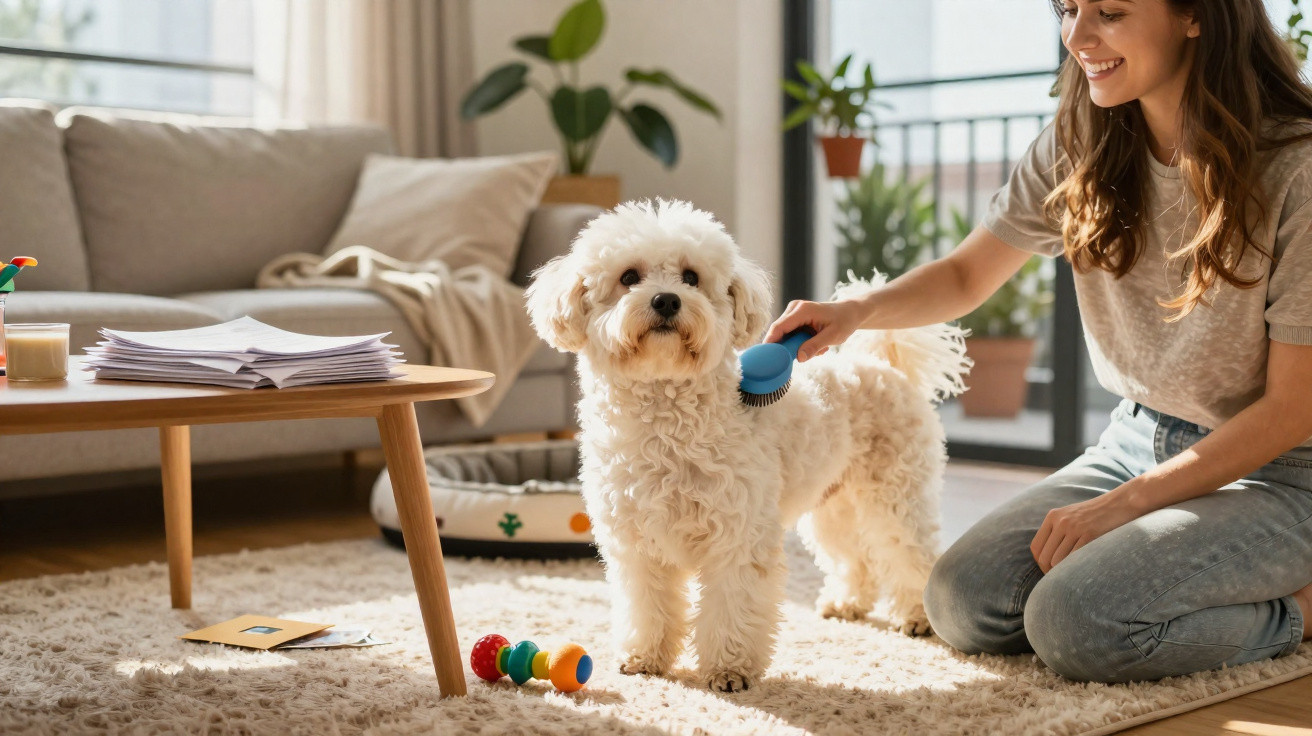
For anyone looking for a cheerful, easy-going family dog, the Bichon Havanais is likely to appear on their shortlist sooner or later. This Cuban toy breed, with its long, soft coat, resembles a cuddly toy but has plenty of character and energy. The facts below explain what the breed is really like, how long it typically lives, what grooming it needs and the costs prospective owners should expect.
Bichon Havanais temperament: a little clown devoted to its family
The Bichon Havanais is a classic companion dog. Rather than being bred for hunting or guarding, it was developed to be close to people, and this purpose is clear in its nature.
“Above all, a Bichon Havanais wants to be involved – whether on the sofa, in the home office or on a weekend trip.”
Typical traits include:
- very people-focused and affectionate
- friendly with children, visitors and unfamiliar dogs
- playful, happy and often something of a little clown
- intelligent and usually easy to encourage
- rarely aggressive, generally preferring to avoid conflict
Many owners refer to this dog as a “shadow”, as it happily follows its favourite person around the home and settles wherever they happen to be. Being left alone for extended periods is difficult for the breed. Anyone who spends many hours away every day without access to a dog sitter should carefully consider whether this is the right breed for them.
Size, weight and appearance: key facts at a glance
The Bichon Havanais is a small dog, although it is not especially delicate. Its build is compact and sturdy without appearing heavy or cumbersome.
| Characteristic | Male | Female |
|---|---|---|
| Height at the shoulder | approx. 23–28 cm | approx. 23–26 cm |
| Weight | approx. 4–6 kg | approx. 4–5 kg |
| Expected lifespan | around 12–15 years |
Distinctive physical features include:
- a compact, well-balanced body
- a rounded, relatively broad skull
- dark, lively eyes with an alert expression
- drooping, well-furnished ears
- a short muzzle with a scissor bite
- a strong neck and comparatively powerful legs
Its long, soft coat, which may be slightly wavy or curly, is especially characteristic of the breed. Many Bichon Havanais dogs look like small, fluffy teddy bears. Their colour range is remarkably varied: white, cream, gold, brown, grey, brindle and parti-coloured coats can all occur.
How much exercise does a Bichon Havanais need?
Despite its modest size, the Bichon Havanais is not simply a lap dog. It enjoys walks, likes to play and enthusiastically joins in with activities, provided it is not pushed beyond its limits.
- 2–3 walks each day, with one being slightly longer at 30–45 minutes
- short play sessions indoors or in the garden
- mental exercise, such as scent games or straightforward tricks
Because of its compact build and tendency to gain weight, owners need to strike the right balance. Too little activity can quickly lead to a podgy dog, while excessive exercise during puppyhood may put strain on developing joints. Long jogging sessions or cycling over extended distances are not suitable for this breed.
How long does a Bichon Havanais live?
With an average lifespan of around 12 to 15 years, the Bichon Havanais is among the longer-lived dog breeds. Responsible breeding, sensible nutrition and regular veterinary health checks can help a dog reach the upper end of this range.
“A well-cared-for Bichon Havanais often stays with its people for well over a decade – making it a long-term responsibility.”
Anyone bringing home a puppy should bear this in mind: children who are at primary school today will probably still have their dog when they begin an apprenticeship or go to university.
Bichon Havanais health and common breed issues
Like many pedigree dogs, the Bichon Havanais has certain potential health risks. Reputable breeders test parent dogs and exclude affected animals from breeding programmes.
More common concerns in the breed
- Hip dysplasia (HD): A malformation of the hip joint which may cause pain and lameness. Controlled growth, weight management and responsible breeding are important.
- Eye conditions: These can include lens clouding and retinal issues, both of which may impair sight if left untreated.
- Dental problems: Small breeds are often prone to tartar and loose teeth, which can contribute to inflamed gums.
- Excess weight: A small body cannot cope with too many extras. Even a few grams too much can place pressure on the joints and cardiovascular system.
Routine veterinary appointments, eye examinations and a carefully planned diet can help to identify many problems early or at least reduce their impact.
Coat care: how often does a Bichon Havanais need brushing?
The Bichon Havanais’s long, soft coat is one of its defining features, but it also requires consistent care. Without it, knots and mats can form very quickly.
“Anyone who falls for that fluffy coat should plan for a brush at the same time.”
A recommended grooming routine includes:
- brushing at least 2–3 times a week, and more often during shedding periods
- dealing with matted areas immediately rather than leaving them “for later”
- checking the ears regularly and cleaning them gently
- trimming the claws when they can be heard clicking on hard floors
- brushing the teeth or using dental treats after consulting a vet
- giving a full bath only when necessary, such as after heavy soiling
Owners who want to maintain the coat at its full length should allow enough time for its upkeep. Many choose a “puppy cut” or summer trim, where a dog groomer shortens the coat to a more manageable length. This does not reduce the dog’s charm, but it can make day-to-day life considerably easier.
What does a Bichon Havanais cost?
A puppy from a responsible breeder, supplied with papers, will usually cost about €1,500 to €2,500. The price is influenced by factors including:
- the quality and reputation of the breeding establishment
- health testing carried out on the parent dogs
- the equipment and care provided for the puppies
- rare or especially sought-after lines and coat colours
There are also ongoing costs to consider:
- food and treats
- regular vet appointments, vaccinations and worming treatments
- third-party liability insurance and, potentially, health insurance
- dog training classes, toys, leads and a bed
- appointments with a dog groomer if coat care is not carried out entirely at home
Over a period of ten to fifteen years, a Bichon Havanais is therefore a significant financial commitment for a household, despite being a small dog.
History: from a dog of the upper classes to a family favourite
The Bichon Havanais originated in Cuba. For a long time, it was a companion of wealthier social groups, who particularly valued its elegant looks and appealing personality. Its name comes from Havana, the Cuban capital.
Over time, the breed made its way to Europe and North America. At first, it was considered a relatively exotic companion dog, but its friendly temperament and convenient size gradually won it an increasing number of admirers. Today, the Bichon Havanais is officially recognised in many countries and is regularly seen at dog shows, while still remaining closely connected to everyday family life.
Who is the Bichon Havanais suitable for – and who is it not for?
This breed is particularly well suited to people who spend plenty of time at home and want to include their dog actively in daily life. This may include families with slightly older children, healthy retirees or people who work from home.
- ideal for households where the dog is rarely left without company for long
- suitable for city flats, provided daily walks are part of the routine
- highly adaptable to different living circumstances
- manageable for inexperienced owners who are willing to learn
A Bichon Havanais is less appropriate where it would need to stay alone for many hours or where physically demanding outings are planned. People who do not enjoy coat care, or have very little time for it, should also honestly question whether this breed is truly a good fit.
Practical advice for prospective and new owners
Anyone seriously considering a Bichon Havanais can prepare thoroughly:
- visit several breeders and do not be guided solely by the first sight of a puppy
- ask about health tests, the parent dogs and the conditions in which puppies are raised
- arrange a trial visit with an adult dog to experience the coat care and temperament first-hand
- buy essential equipment, including brushes, a comb and non-slip bowls, before the dog arrives
Speaking to a local dog training school can also be useful. Many trainers have experience with small companion breeds and can assess which classes or activities are appropriate for a Bichon Havanais, such as trick training, small rally obedience courses or gentle recreational agility.
Keeping these points in mind can mean gaining a cheerful, sensitive housemate whose charm and humour noticeably enrich everyday life – provided it is taken seriously, groomed properly and not viewed merely as a living soft toy.






Comments
No comments yet. Be the first to comment!
Leave a Comment