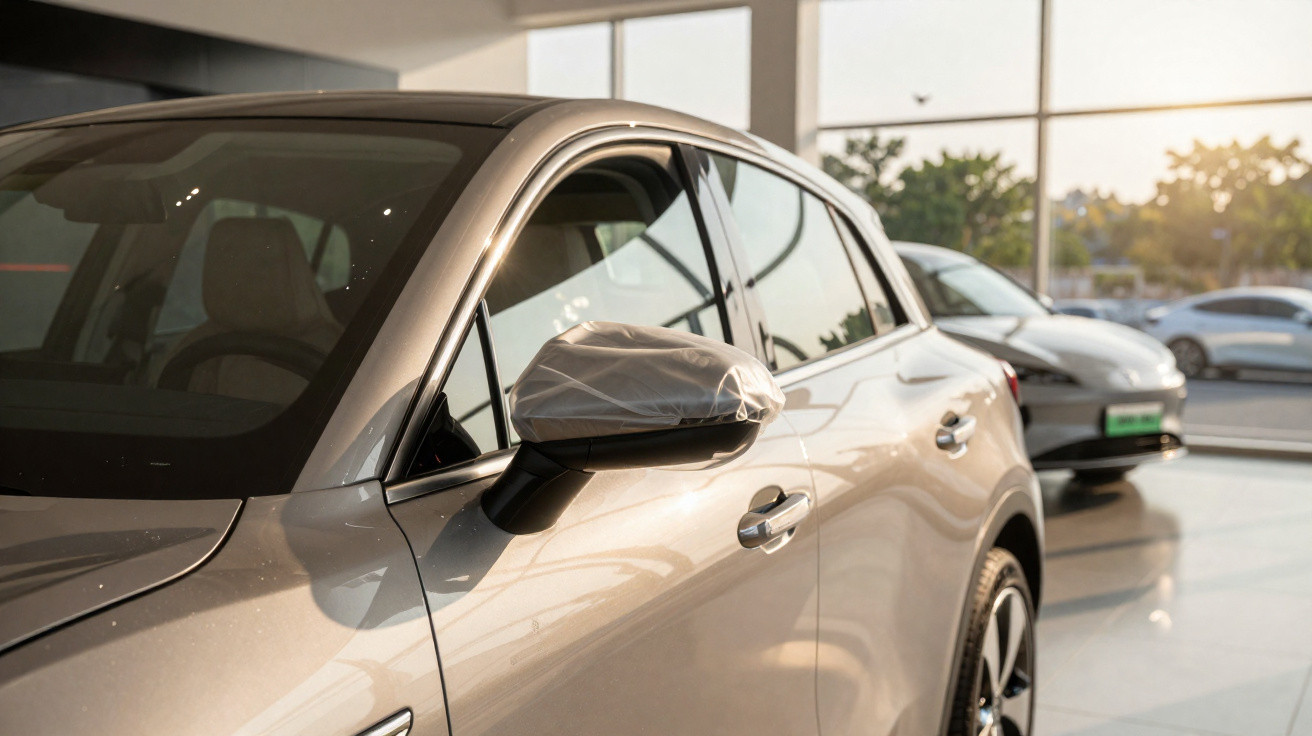
Anyone spotting a car like this may initially assume it has been exposed to rain, frost or perhaps vandalism. Yet the real explanation is often quite different: a small but highly irritating problem involving birds. In rural areas, on woodland edges and in mountain villages, a straightforward trick has become well known and is now spreading into towns and cities.
Why birds react so aggressively to wing mirrors
Many male birds become far more territorial in spring, once the breeding season starts, and respond intensely to perceived competition. This is where the wing mirror becomes a problem.
To a bird, the highly polished surface appears to be another rival. Seeing its own reflection in the mirror, it mistakes it for an unfamiliar intruder in its territory. In many species, this prompts attacking or defensive behaviour.
“Birds attack the mirror because they recognise what appears to be a rival in it – not because they hate the car itself.”
For motorists, the resulting damage is easy to spot:
- scratch marks on the wing-mirror housing
- small impacts or cracks in the mirror glass
- feathers, dirt and nesting material around the mirror
- bird droppings directly on the mirror, door or wing
Bird droppings are particularly problematic. They contain acids that can affect paintwork and plastic surfaces, potentially leaving permanent marks quickly when exposed to sunlight.
Plastic bag over the wing mirror: a simple solution with a major effect
As garage repairs and professional paint correction can be costly, many drivers look for an uncomplicated form of protection. This has led to the trend of placing plastic bags over wing mirrors.
The idea is simple: the bag removes the mirror’s reflective surface. The bird can no longer see a “rival”, so without this visual trigger it abruptly loses interest in that part of the car.
“As soon as the mirror no longer shines, most birds immediately lose interest – the apparent ‘enemy’ has disappeared.”
How drivers use this wing-mirror trick
Many people use basic items from home or from a supermarket car park. Common choices include:
- thin fruit or vegetable bags, tied securely around the mirror
- small bin bags, gathered and tied at the top
- sturdy freezer bags, sometimes held in place with an elastic band
Some drivers simply place the bag loosely over the mirror, while others secure it with tape or an ordinary household elastic band so that it cannot blow away in windy conditions. This is particularly useful when the vehicle is parked outdoors overnight or for extended periods.
Towns, countryside and mountains: where the trick is especially common
This improvised solution originated in rural locations, where cars are often parked close to trees, meadows or stables. Large numbers of birds are present nearby, making direct attacks on wing mirrors much more likely.
However, “mirror bags” are now appearing in towns and cities too. The reasons include:
- parking spaces next to parks or riverbanks
- courtyards with numerous nesting sites
- car owners bringing the trick back from holidays in the countryside
There is another factor: modern vehicles, including current superminis and SUVs, have considerably larger wing mirrors than older models. This increases the reflective area and therefore the attraction for birds, making the plastic-bag phenomenon more noticeable.
Which paint colours attract birds most
The body colour can matter as well as the wing mirrors. Some shades reflect light more strongly and are more conspicuous to birds. Very light, glossy or especially bright colours are particularly likely to catch their attention, especially in direct sunshine.
Anyone living in an area with lots of birds may recognise the issue: certain paint finishes seem to act like a magnet for droppings. This is not just visually frustrating; over time, it can damage the paint’s protective layer.
“Bird droppings should be wiped off as quickly as possible – the longer they dry on, the greater the risk of permanent paint damage.”
Those who have yet to buy a car and live in an area especially rich in birdlife may wish to bear this in mind when choosing a colour. An extremely striking, very light paint finish may look smart, but in everyday use it can sometimes require more work than a subtler shade.
Risks and limitations of the plastic-bag method
Useful as the trick may be, it has clear limitations and several points require attention.
Always remove the bag before driving
A plastic bag belongs only on a parked car. Driving away with one in place obstructs rearward visibility and can create dangerous situations. Wing mirrors are safety-related equipment, and deliberately covering them while driving may have legal consequences in a serious situation.
Do not overlook the environmental aspect
Plastic bags are durable, but if they come loose they can easily end up in the environment. Drivers should therefore use sturdy, reusable bags where possible and dispose of them properly if they tear.
- Secure the bag only as tightly as necessary.
- Replace it with a new, durable alternative if it is visibly damaged.
- Avoid extremely thin single-use bags that tear apart immediately.
Fabric hoods or homemade covers made from leftover material can be an alternative. They serve the same purpose, can be washed and reused several times.
Further protective measures for your car
Anyone who does not want to cover the mirrors with bags every evening has other ways to protect their car, particularly if birds cause regular trouble.
| Measure | Advantage | Disadvantage |
|---|---|---|
| Foldable car cover | Covers large areas and also protects against tree sap and pollen | Time-consuming to fit and remove; requires storage space |
| Carport or garage | Long-term protection from weather and dirt | High cost; not possible everywhere |
| Bird-deterrent decoration (e.g. glittering ribbons) | Deters some species and is easy to install | Does not work with every bird species; may not look appealing |
| Special paint sealant | Makes bird droppings easier to remove | Costs money and does not prevent attacks on the mirror |
Why the effort is still worthwhile for many drivers
A damaged wing mirror can quickly mean a trip to the garage. Electric adjustment, indicators integrated into the mirror housing and repainting can all increase the bill. By comparison, using a plastic bag involves only a few seemingly trivial steps.
Many motorists report noticing a difference after just a few days. Areas where feathers and scratches previously appeared regularly suddenly become quiet. Birds move on to windows, puddles or other reflections that seem more “interesting” to them.
For anyone whose car gets heavy everyday use, is left outdoors for long periods or has a particularly exposed parking space, this simple approach can save real money, especially during the spring breeding season.
Practical everyday tips for using a “mirror bag”
Finally, here are several specific pointers that have proved useful in practice:
- Keep bags in the door pocket or boot so they do not need to be searched for each time.
- Establish a brief routine: switch off the engine, fold in the mirrors, put the bag on, done.
- In strong winds, use elastic bands or clips to stop the bags blowing away.
- After rainy days, check whether water has collected inside the bag and dry it if necessary.
The trend may look slightly odd at first glance. Behind the colourful bags and covers, however, is simply practical experience: removing the glittering attraction from the wing mirror removes the reason for birds to attack, while protecting the car’s paintwork and plastic with minimal effort.












Comments
No comments yet. Be the first to comment!
Leave a Comment