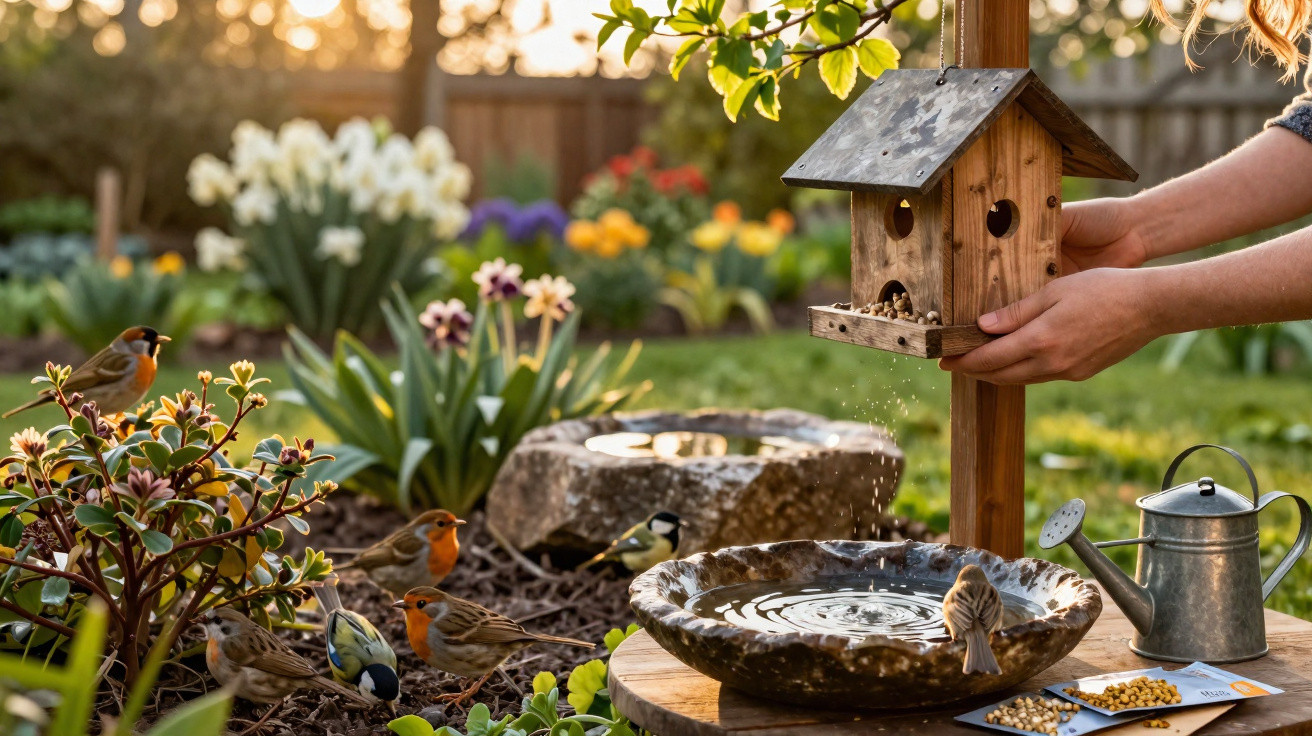
– but leaving it too late in the year can seriously harm the birds, despite the best intentions.
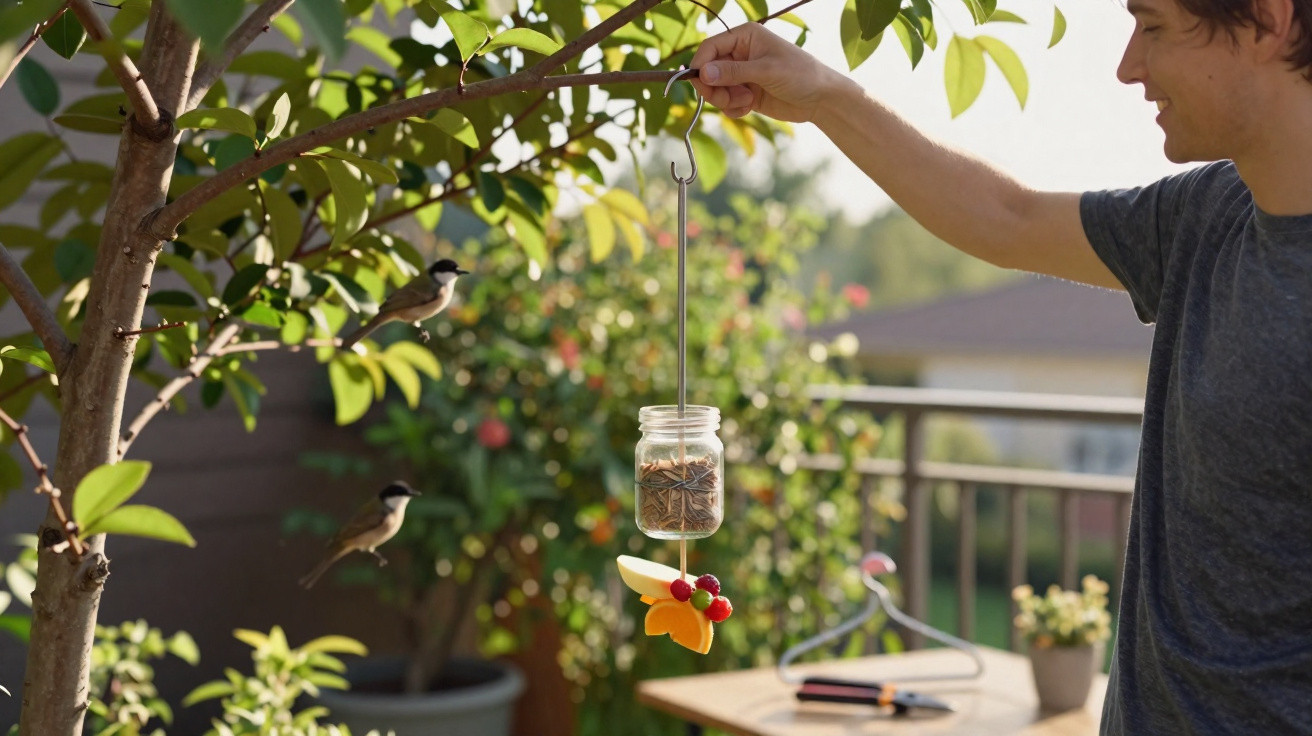
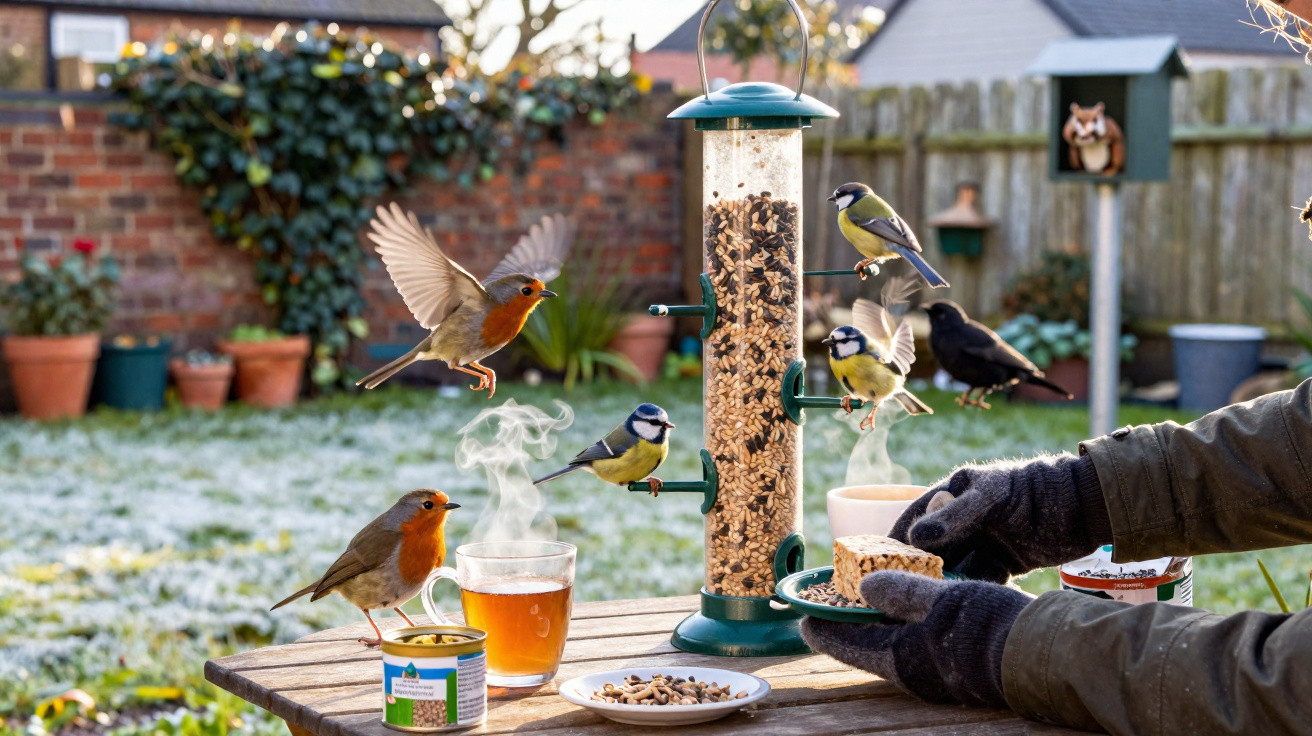
Turning the garden into a refuelling stop for birds in winter often provides a small natural spectacle right outside the window. By spring, however, an important question arises: when should you stop putting out bird food? And can too much care genuinely put birds at risk?
When should bird food be removed?
The French conservation organisation LPO gives a broad guideline: feed birds only during sustained cold weather, usually from mid-November until the end of March. This timeframe also broadly reflects experience across central Europe, including Germany, Austria and Switzerland.
From the end of March, bird feeders should gradually be left empty – insects, seeds and buds can then supply birds again.
As spring arrives, the amount of food available outdoors increases considerably. Insects become active again, shrubs begin to grow and the first seeds and berries appear. Wild birds are adapted to this seasonal pattern – permanent “all-inclusive feeding” does not fit their natural yearly cycle.
March or April? Why April may already be too late
Many amateur nature lovers prefer to keep their bird feeders topped up for a little longer, simply to be cautious. While this may sound sensible, it can create difficulties. Continuing to feed well into April can prevent birds from returning to complete self-sufficiency at the right time.
- Guideline: Start reducing food from mid- to late March
- By the end of the month at the latest: stop regular feeding
- Exception: brief cold spells with snow or persistent frost – feed temporarily again, then phase it out once more
What matters is not a precise date on the calendar but the weather conditions. If frost persists, feeding can continue a little longer. Once mild spring weather returns, birds should switch back entirely to natural food.
What happens if you feed birds for too long?
Good intentions do not automatically produce good results. Scattering food far into spring can, in fact, cause harm.
Risk 1: Dependence instead of instinct
If tits, sparrows or blackbirds find a fully stocked feeding station every day, they become less motivated to look for food themselves. This is particularly problematic for young birds fledging in spring, as they may become less capable of feeding independently.
Bird feeders can provide winter support – not act as a supermarket that stays open all year.
During the breeding season, many species especially need animal-based food, including insects and spiders. Commercial seed mixes cannot meet this need, however high their quality may be.
Risk 2: More disease at feeding stations
When large numbers of birds feed close together, the likelihood of infection rises. On warmer days, bacteria and fungi multiply especially quickly on dirty feeders.
- Water dishes and bird feeders can become breeding grounds for germs
- Birds can infect one another through droppings, saliva or damp food
- Diseases can therefore spread rapidly through entire populations
This threat increases significantly as temperatures rise. Germs do not disappear in winter, but they reproduce more slowly. In spring, that changes – and the pleasant garden bird café can become a health hazard.
Risk 3: A disrupted ecosystem balance
Extended feeding periods can sometimes benefit only a few already hardy species, such as house sparrows or great tits. Rarer and more timid birds gain far less. As a result, the balance within the garden can be disturbed.
Those who feed all year often end up supporting only the strongest species – while reducing diversity and stability in the garden ecosystem.
Over the long term, populations of certain species may shift in an unnatural way, while more sensitive species continue to lose ground.
How to stop feeding: reduce bird food gradually
Anyone who has fed birds until the end of March should not stop completely overnight. Experts recommend a short transition period.
Allow seven to ten days for the changeover
During this period, reduce the quantity in stages. This signals to birds that the supply is declining and encourages them to expand their search for natural food again.
| Day | Recommended amount of food |
|---|---|
| 1–3 | approx. 75 % of the previous amount |
| 4–6 | approx. 50 % of the previous amount |
| 7–10 | only small remaining portions, then let feeding end |
At the same time, feeding stations can gradually be taken down, or cleaned and stored somewhere dry. That way, birds will not continue visiting every day in expectation of food.
How to genuinely support birds in spring
The absence of food in the feeder during April and May does not mean leaving bird species to fend for themselves. Support simply takes a different form at this time of year.
Water rather than food – throughout the year
A shallow dish of fresh, clean water helps birds to drink and bathe. Especially on warm days, water is often scarcer than food.
- Rinse the dish daily and refill it with fresh water
- Keep it shallow – 3 to 5 centimetres is enough
- Position it where cats cannot easily creep up on birds
A simple dish of water is often more useful to sparrows and tits than a bird feeder that is kept permanently full.
Create a garden that serves as a natural buffet
The best form of “feeding” is to make more natural food available to birds. Suitable planting can achieve this:
- Plant native shrubs such as elder, rosehip, privet or blackthorn
- Choose a wildflower meadow instead of a sterile lawn – this attracts insects
- Leave some perennial remnants and seed heads standing in autumn
These features provide berries, seeds and, above all, huge quantities of insects – the most important food for nestlings in spring and summer.
Tidy less and leave more undisturbed
A perfectly neat garden often feels like a desert to birds. Leaf piles, dead wood and hedges offer shelter, nesting material and food.
- Leave fallen leaves beneath shrubs rather than clearing everything away
- Tolerate a few dead branches as habitat for insects
- Consider the breeding season when trimming hedges, and avoid cutting as far as possible from March to the end of July
Common misconceptions about feeding birds
Many myths persist around bird food. It is worth taking a brief look at the most widespread misunderstandings.
“The more and the longer, the better”
The opposite is true. Feeding is targeted help during frost and snow, not a permanent arrangement. Feeding for too long can harm birds just as much as too little food during a genuine cold spell.
“Year-round feeding saves threatened species”
Permanent feeding mainly benefits common species that live alongside people and already cope well with human activity. Threatened species usually decline because of habitat loss, pesticides and a lack of nesting sites – a wildlife-friendly garden is much more helpful here.
Practical tips for next winter
Anyone wishing to support their feathered visitors again next winter can start planning now:
- Clean feeding stations thoroughly after the season and store them somewhere dry
- Use only high-quality food that is free from mould, ideally without cheap fillers
- Use tube feeders rather than open feeding boards to reduce contamination
- Plant shrubs and native plants during summer, so natural food is available in winter
This keeps winter feeding as targeted support during harsh conditions without disrupting birds’ natural rhythm. By turning off the food supply at the right time in spring and designing the garden wisely, you will help tits, blackbirds and robins more sustainably than by refilling another fat ball in April.








Comments
No comments yet. Be the first to comment!
Leave a Comment