Claws out, spine curved and pupils huge. A towel lies saturated on the floor. On the worktop sits a bottle of “gentle cat shampoo”, purchased with the best intentions. At the centre of it all is a human with rolled-up sleeves and a pounding heart, bewildered that a three-kilogramme animal can battle like a wild tiger.
After what seemed like an hour but was only a minute, the cat launched itself from the tub, slid over the tiles and disappeared beneath the bed. Its owner remained there, out of breath, with several burning scratches on their forearm. The bathroom carried the scent of soap and failure.
Later, while scrolling through their phone, they came across a discovery more painful than the scratches: most healthy cats do not require baths. Much of that stress could have been avoided.
Why most cats hate water… and don’t need it
Cats are not simply small, whiskered dogs. They are exceptionally flexible, self-cleaning acrobats, equipped with tongues that work like tiny combs. Observe a contented cat on the sofa and it will carefully groom every paw, each ear, its tail and even between its toes. This routine is not about vanity; it is biological.
Their coat, skin, body temperature and even emotional balance are supported by grooming. Taking them into the shower interrupts that natural process. Sudden wetness, unfamiliar shampoo, and a slippery surface beneath their feet can all signal danger to a feline brain shaped to avoid rivers and unfamiliar scents.
One Tuesday in Lyon, a vet called Claire told me about “bath season”. Each spring, she encounters the same situation: people arrive with shaking cats swaddled in towels, their pupils enlarged and hearts beating at 200 beats per minute, merely because moulting fur has begun to cover the sofa. One couple visited after a particularly dramatic bathroom “incident”: a shattered soap dish, a scratched arm and a frightened cat that would not eat for a day.
They believed they had acted properly, much like parents “cleaning” a child. Claire put one straightforward question to them: “Did she have fleas? Skin issues? Poop stuck on her fur?” No, they replied. Their cat was young, healthy and lived solely indoors. The bath had brought anxiety without any benefit: a familiar example of affection communicated in the wrong language.
Research into feline stress is unequivocal: being forcibly held, exposed to loud sounds and unfamiliar sensations, and deprived of control all cause cortisol levels to rise sharply. A bath brings together every one of these triggers. The contradiction is stark: in trying to “care” for cats, we can provoke the same physical alarm response as a predator attack. That’s the mistake hidden behind the foam and fluffy towels. We impose a human standard of cleanliness on an animal designed to groom while dry.
How to care for a cat’s hygiene without turning the tap
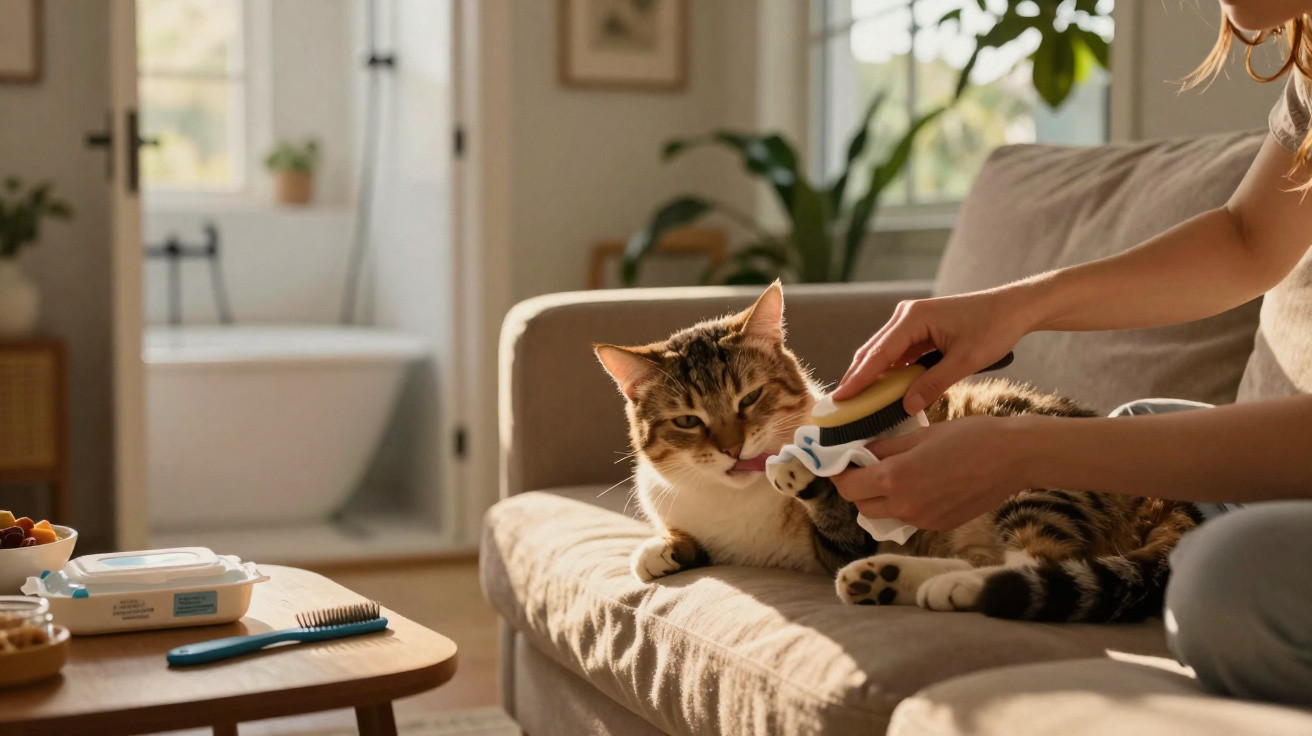
The most effective approach is to support a cat’s own grooming rather than work against it. Begin with the easiest habit: use a soft brush once or twice weekly in a peaceful room. Choose a time when your cat is already settled, perhaps after a nap. Brush with one hand and stroke gently with the other. Keep the sessions brief, and finish before your cat becomes irritated.
Gentle brushing helps limit hairballs, clears away dust and distributes the natural skin oils that protect the coat. Cats with long hair may require daily brushing during moulting periods, yet the process remains dry, calm and predictable. That is very different from an unexpected bath. For a sticky patch or small amount of dirt, a lightly dampened cloth can clean the specific area. There is no need for full-body panic.
The step many people overlook is to observe before taking action. When your cat is calm, smell its coat, feel its texture and inspect the skin near the hair roots. A healthy cat does not smell “clean” in the way freshly washed laundry does; it smells of warm fur, can be slightly dusty, and is seldom perfumed. When owners say “he smells weird, I should wash him”, vets frequently identify dental problems, anal gland issues or infections rather than simple “dirt”.
On a small balcony in Madrid, I watched Chico, an elderly tabby, spend a full 20 minutes grooming himself at sunset. His owner, Marta, had previously bathed him twice a year “just in case”. One winter, he slipped in the tub and would not enter the bathroom for months afterwards. She stopped bathing him, introduced regular brushing and improved his diet. Within three months, his coat had become softer and less greasy. Chico was cleaner without water than he had been with it.
Cats carry the heritage of desert survivors in their DNA. Their coats repel moisture and help regulate their bodies. Soaking the fur removes natural oils, cools the skin and can sometimes lead to excessive grooming as cats struggle to “fix” the unfamiliar texture. A cat that licks compulsively after a bath is not showing gratitude; it is trying to regain control. We can mistake the glossy look promised by shampoo advertising for wellbeing, while real feline hygiene often looks like… a relaxed cat licking its paw on the arm of a chair.
When a bath is truly needed… and how to make it less of a nightmare
There are occasions when water is genuinely required: a toxic substance in the coat, severe diarrhoea stuck to long fur, extreme neglect, or a veterinary treatment plan. In such circumstances, the method is crucial. The aim is not a “clean cat at any cost”, but the least stress possible during a necessary procedure. That distinction protects nerves, claws and trust.
Set up everything before bringing the cat in. Use a shallow basin of lukewarm water, with a non-slip mat or towel beneath so its paws remain secure. Open cat-specific shampoo in advance. Keep two towels close by, shut the door gently and speak quietly. One person is often preferable to two, while three may seem like a team setting a trap. Wash from the rear towards the front, staying away from the head and ears. Be swift and efficient, without narrating the drama aloud.
Let’s be honest: nobody really does that every day.
The commonest mistake is not stopping until panic has already taken hold. Once a cat is struggling wildly, the lesson it learns is simple: bathroom equals terror. A better strategy is to notice the warning signs early: rapid tail flicking, flattened ears or a low growl. Pause when these appear. Wrap the cat in a towel and consider whether carrying on truly justifies the increased fear. A partial rinse can sometimes be sufficient, because perfection is the enemy of peace.
Some owners also attempt to “desensitise” their cats by making the sink or bath a place for play when nothing stressful is happening. Place a toy or treat in a dry tub and use a soft voice. No water and no sudden grabbing. The aim is only to make it neutral, or perhaps even positive. This will not transform a cat into a water lover, but it may reduce the intensity of a future emergency. On a difficult day, preventing complete panic is already a success.
“A cat doesn’t remember the soap,” explained one behaviorist I interviewed, “it remembers the terror of not being able to escape.”
That thought stays with you the next time you reach for the shower tap. The more important question is whether the bath is for the cat’s health or for our own anxiety about cleanliness.
- If your cat is healthy and lives indoors, it probably does not require a bath.
- If an odour or dirt keeps returning, consider a vet before reaching for shampoo.
- When a bath has been prescribed, think “minimal water, maximum calm”.
- If you feel guilty about not bathing your cat, seek advice from a professional rather than listening to your fears.
Living with a self-cleaning animal changes how we care
We live alongside a species that spends hours each day licking, smoothing and untangling its fur. This practice serves more than hygiene. It provides self-soothing, creates social bonds when cats groom one another, and helps preserve familiar scents. When we watch them without immediately reaching for the shower head, we can begin to appreciate another definition of “clean”.
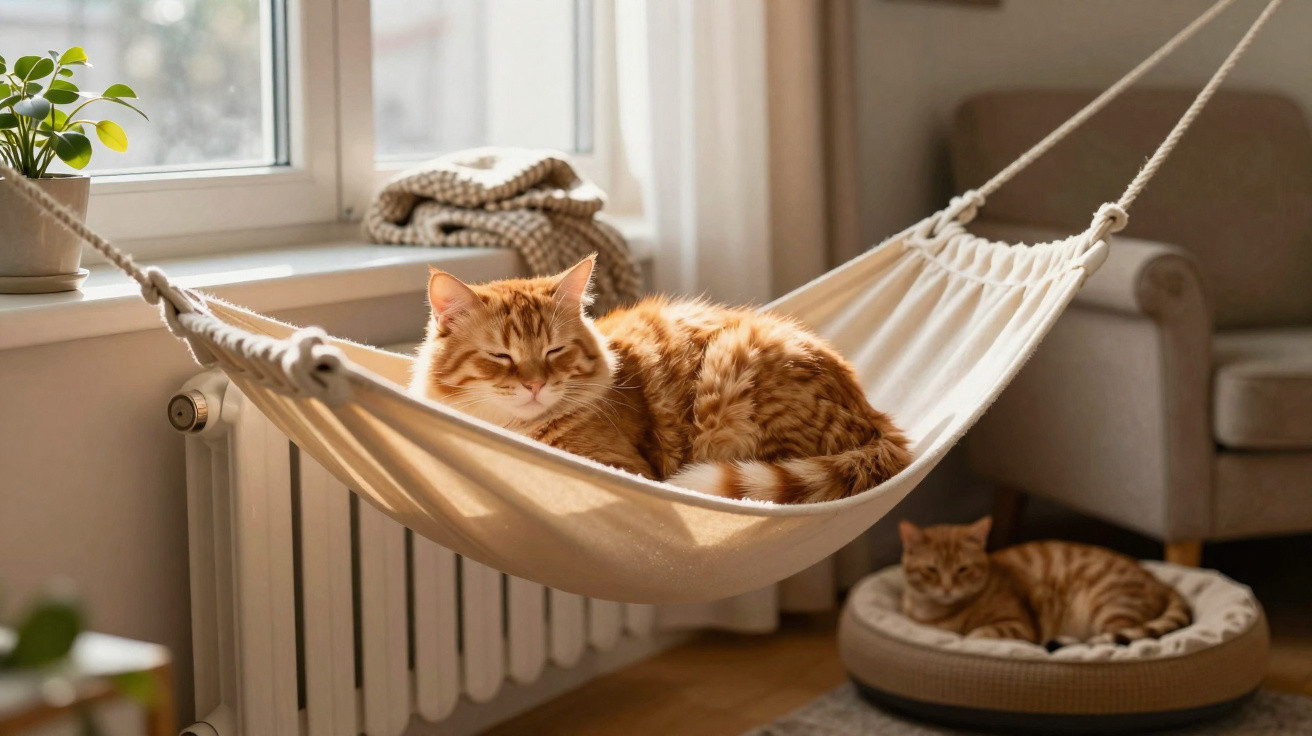
On a rainy evening, you may be sitting on the sofa with a blanket pulled over your knees while your cat curls into the crook beside you. It licks a paw, wipes it across an ear and half-closes its eyes. You can hear the soft, damp sound of its tongue moving through fur. There are no soap bubbles or white foam, only a small creature quietly maintaining its own ecosystem. Screens market shampoos; on the cushion, nature follows a gentler system.
Emotionally, needless baths often begin with good intentions: the wish to be a “responsible” guardian. Rationally, many of these baths are stressful experiences disguised as care. Once you have watched a cat freeze with blackened pupils simply because a tap has been turned on, your perspective changes. Before each action, you start asking a different question: is this for the cat, or for me?
Most of us have gone too far with something “for their own good”, only later recognising the fear in their eyes. Telling that story to other cat owners may alter habits more quickly than any guidebook. Perhaps the next time somebody posts a video of a drenched, panicking cat for amusement, you will feel a small knot in your stomach. You may then say what many hesitate to express: most healthy cats do not need this at all.
| Key point | Detail | Benefit for the reader |
|---|---|---|
| Cats are self-cleaning | Their tongue, grooming rituals and natural oils maintain coat and skin health without baths. | Reduces the perceived need to bathe them and lowers stress for both cat and human. |
| Baths create avoidable stress | Forced contact with water, restraint and slippery surfaces cause intense fear and cortisol spikes. | Helps readers reconsider “cleanliness” as care rather than trauma. |
| Focus on gentle alternatives | Regular brushing, spot cleaning, veterinary checks for odours, and calm techniques when baths are genuinely necessary. | Provides practical ways to keep a cat healthy without making the bathroom a battlefield. |






Comments
No comments yet. Be the first to comment!
Leave a Comment