Many cat owners assume their household is completely peaceful.
Yet veterinarians say that tensions between cats can develop quickly out of sight.
In veterinary practices across the US and UK, professionals are seeing the same issues: worried cats, unexpected clashes and unexplained wee on the sofa. In many households, the underlying problem is neither trauma, neglect nor “bad behaviour”. Instead, it can stem from how people handle one everyday item: the litter box.
The unseen territory battle in your hallway
For many households, bringing home a second cat seems like an obvious choice. They will keep each other company, be less bored and make the home even cuter. Cats, however, do not usually view the arrangement in such affectionate terms. They focus on territory, access and resources. That soft, clumping litter box by the wall? In their eyes, it is valuable territory.
Veterinary behaviourists caution that one shared litter tray can become a quiet source of stress in homes with multiple cats. Cats may appear to accept one another during the day while competing silently for the same toilet overnight. One cat may prevent the other from entering, lie in wait behind it or simply stare until the less confident cat abandons the attempt.
When cats feel that their access to the litter box is threatened, many will simply stop using it and look for “safer” places around the house.
Those “safer” locations may be duvets, laundry piles, bath mats or a sofa corner. For a cat, these places are quieter and carry less chance of another animal appearing without warning.
When reliable, secure toilet choices are unavailable, cats can also develop ongoing stress. Veterinarians associate this stress with conditions including:
- Feline idiopathic cystitis (painful bladder inflammation)
- Urinary blockages in male cats
- Overgrooming and fur loss
- Increased aggression between housemates
Why the litter box is so important to cats
Although cats can look relaxed, they place great value on consistent routines and their own space. A litter box combines several particularly sensitive concerns: scent, privacy, vulnerability and cleanliness.
In the wild, cats select a toilet spot that lets them watch their environment and get away quickly. A single tray placed in a confined, loud area removes that sense of control. Introduce another cat and the toilet can quickly become a source of pressure.
A litter tray is not just a bathroom. For many cats, it acts as a stress test for how safe and respected they feel in their home.
For some cats, covered trays intensify the problem. They hold in odours, restrict visibility and provide just one way out, leaving anxious cats feeling trapped. A more dominant cat can control access simply by sitting close by.
Signs that your cats are struggling
Most owners detect the odour before recognising the underlying strain. Urine outside the tray is often attributed to laziness or spite, but veterinary behaviour specialists say this explanation nearly always overlooks the true cause.
The following behaviours should prompt questions about litter access and territorial stress:
- Wee or poo outside the litter box, even if it happens only occasionally
- One cat pausing at the doorway to the room containing the tray
- Staring, blocking or chasing around the tray
- Fights that appear to “start from nowhere” in hallways or doorways
- More irritability, growling or hiding after using the tray
These behaviours affect health as well as comfort. Repeated visits to the tray, straining to wee or producing only tiny amounts of urine may indicate a medical emergency. Cats in pain can begin associating the tray with discomfort and avoid it altogether.
Any sudden change in litter box behaviour should trigger two checks: one for medical problems at the vet, and one for environmental stress at home.
The vet-supported rule for multicat households
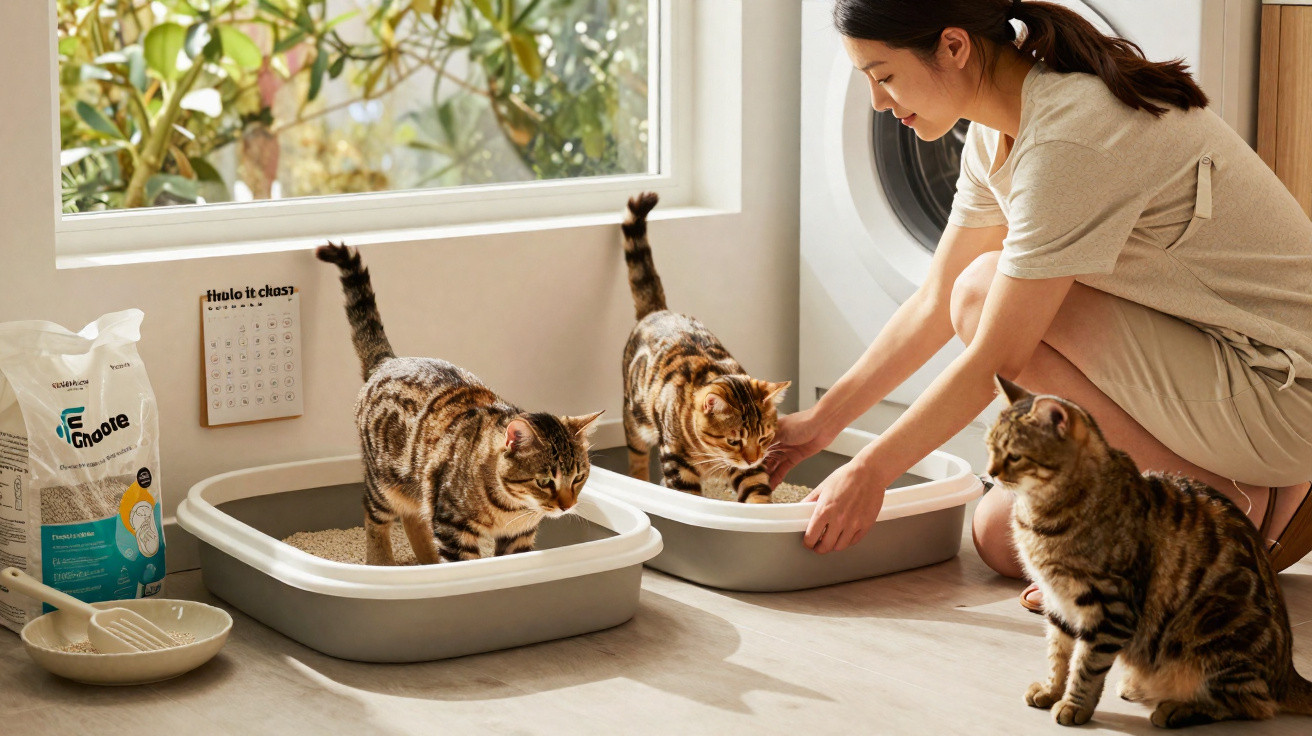
To reduce disputes, many vets now give the same straightforward guidance: provide one litter tray for each cat, plus one additional tray. Two cats therefore need three boxes. Not two, and not one oversized box: three separate choices.
This arrangement gives every cat a real alternative. One tray may seem more secure at night, while another feels preferable during the day. Should a disagreement occur by one box, the more nervous cat still has another place to go rather than holding its bladder for hours.
| Number of cats | Minimum number of litter boxes |
|---|---|
| 1 cat | 2 boxes |
| 2 cats | 3 boxes |
| 3 cats | 4 boxes |
Behaviour specialists also stress the importance of placement. Three trays positioned side by side are perceived by a cat as one large resource. Put trays in separate rooms, or at least in distinct areas, away from food bowls and busy parts of the home.
How to position litter boxes at home
A handful of thoughtful layout changes can greatly improve the relationship between your cats:
- Place trays at opposite ends of the home rather than directly beside one another.
- Do not use dead-end corners where a cat could be cornered.
- Provide at least one open, uncovered tray, even where covered trays are also available.
- Keep boxes well away from washing machines, noisy pipes and children's play spaces.
- Select soft, fine litter and avoid heavily scented varieties that can irritate feline noses.
Consistent cleaning is equally important. Many vets recommend scooping at least daily, preferably twice daily, alongside regular full litter changes and tray washing. Some particularly sensitive cats may reject a tray after another cat has used it only once.
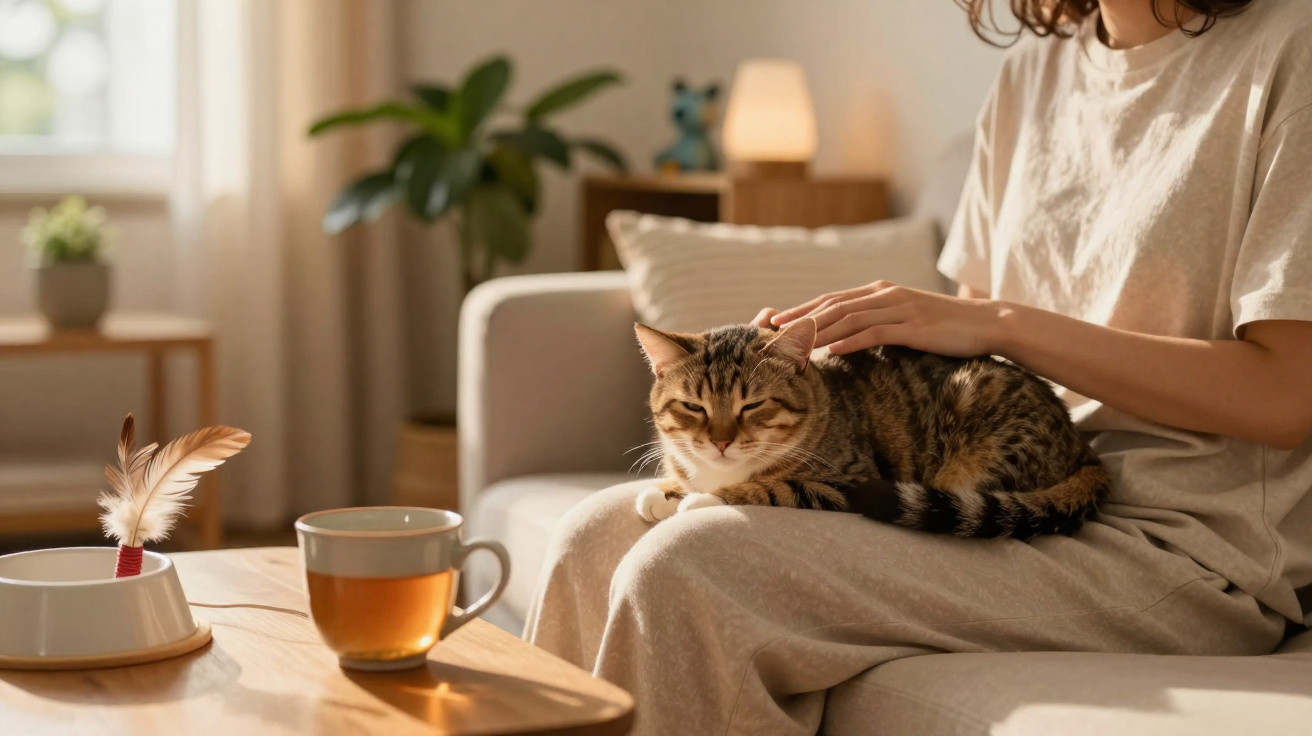
For a stressed cat, a fresh, easy‑to‑reach litter box can feel like a safe room: predictable, neutral, and free of conflict.
When behaviour may indicate illness
Territorial problems are not behind every toilet accident. Vets emphasise that abrupt changes can be caused by pain, nausea or serious urinary illness. Because cats conceal discomfort effectively, owners may notice only the apparently “naughty” behaviour.
Warning signs that may point to a medical cause include:
- Straining in the tray while producing little or no urine
- Blood in the litter or on the floor
- Crying or licking the genital area after using the tray
- Frequent small puddles elsewhere in the home
- Lethargy, reduced appetite or sudden withdrawal
Male cats are particularly vulnerable to urinary blockage, which can become fatal within days. Changes in litter box behaviour alongside straining or signs of discomfort require urgent veterinary care.
Living with two cats: small changes, major results
A home shared by two cats can work extremely well. The essential approach is to manage resources, rather than expecting them to “sort it out themselves”. In addition to extra litter boxes, vets suggest duplicating or spacing out other important resources:
- Separate feeding areas so that neither cat can guard the bowl
- Several water sources across different rooms
- Multiple scratching posts and climbing areas at varying heights
- Sleeping spots where each cat can withdraw without being visible to the other
These measures lessen the likelihood of direct confrontation. When both cats can reach what they need without facing each other in a narrow hallway, they often become calmer, even if they never turn into close companions.
Looking beyond the litter box for long-term wellbeing
The current veterinary focus on litter management also raises a broader issue around feline mental health. Cat anxiety seldom has just one cause. Stress around litter, too few hiding places, boredom and unpredictable human routines can often compound one another.
Owners who solve litter box problems frequently observe wider improvements. Their cats may groom more normally, play more often and have fewer night-time zoomies. Some show less stress-related behaviour, such as scratching furniture or yowling outside the bedroom door. These improvements generally emerge slowly, after several weeks of dependable routines.
For anyone considering adopting an additional cat, behaviour specialists advise planning ahead: decide where extra litter boxes, feeding areas and resting places will be before the newcomer enters the home. This modest preparation can prevent the quiet territorial conflict that so many vets now encounter in their consulting rooms.














Comments
No comments yet. Be the first to comment!
Leave a Comment