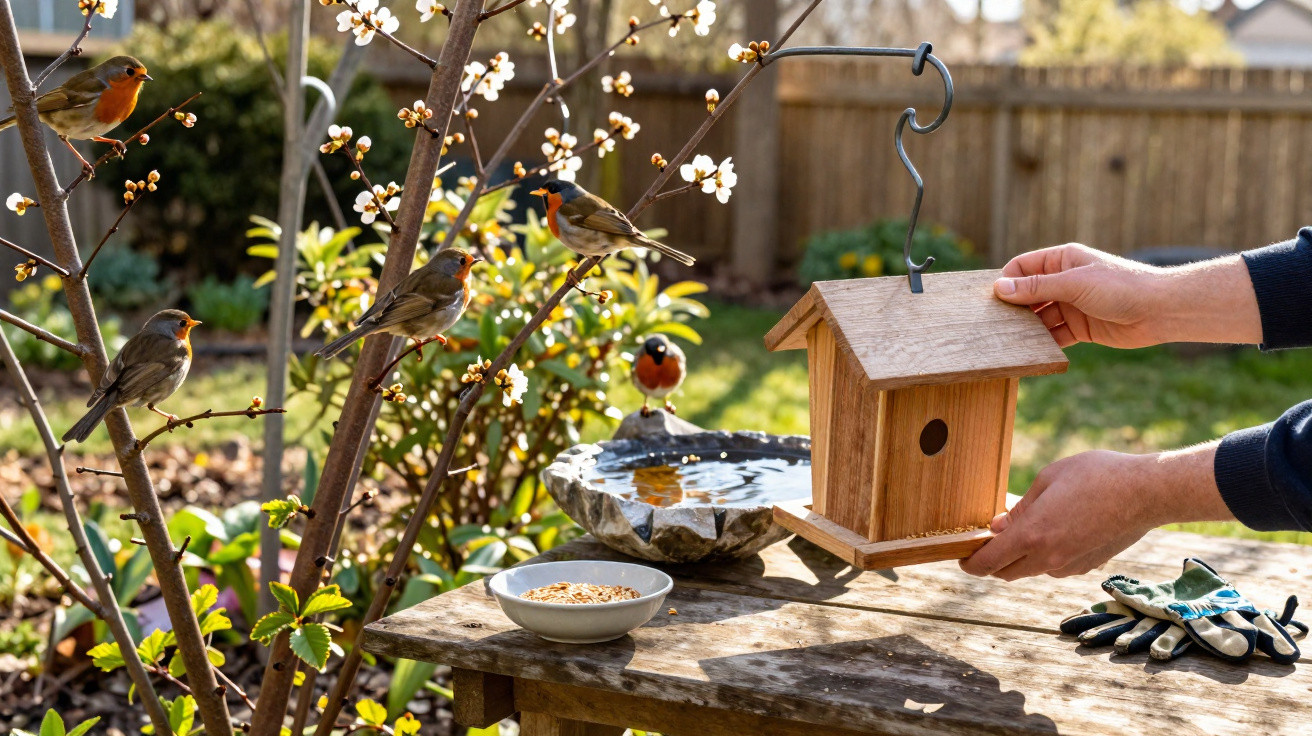
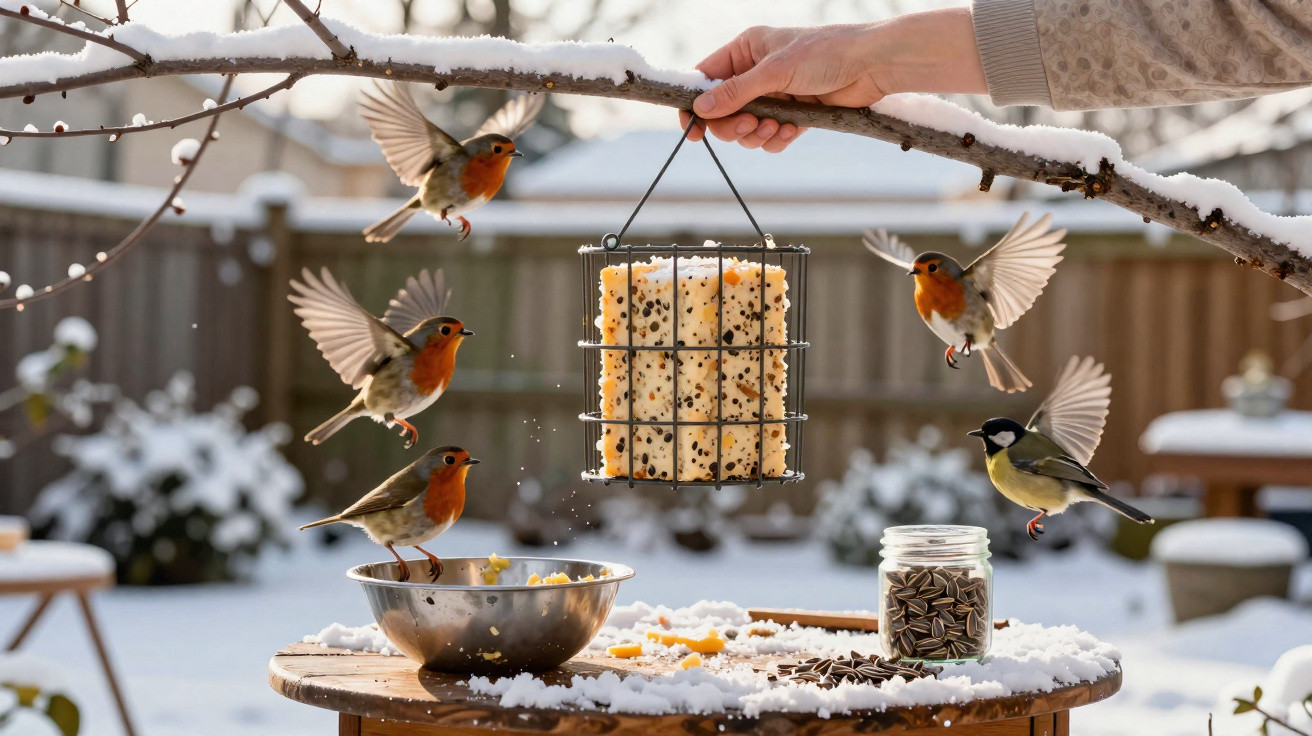
Many people continue putting out food when the first warm days arrive – but that is precisely when it can become dangerous for birds.
People who feed birds in winter usually have good intentions. Fat-based foods, seeds and fat balls are as much a part of the cold season for many as tea and a scarf. Yet when spring begins, the same question comes up every year: how long is it acceptable to continue? And when does food start doing more harm than good?
Why you should stop feeding birds in spring
Nature and animal welfare groups, including France’s LPO and organisations in Germany, agree on one point: winter feeding is support during an exceptional period, not a year-round service. By spring at the latest, birds need to return fully to natural food sources.
Feeding for too long directly interferes with birds’ survival training – with consequences for their health and the ecosystem.
Three issues are particularly important:
- Dependence on people: Birds become accustomed to a ready-made meal. They then spend less energy looking for seeds, insects and berries. Young birds in particular, which copy their parents, may not learn to recognise the natural food available to them as well.
- More infections at feeding sites: Where large numbers of animals gather closely together, pathogens can spread quickly. During the warmer spring months, bacteria and parasites multiply faster in sticky food residue and contaminated water.
- A disrupted balance in nature: Continuous feeding benefits certain species, such as sparrows and tits. Rarer or more timid species can then find it harder to compete. Over time, this may alter biodiversity in gardens and parks.
March or April: how long can you feed birds?
As a broad rule of thumb, specialists refer to the cold season with genuine winter weather: from around mid-November to the end of March. During this period, natural food is much harder to find, while frozen ground and snow make foraging more difficult.
The situation changes with spring. Buds begin to open, the first insects emerge and wild plants grow, so nature once again provides its own buffet. Extra food from people is then simply unnecessary and may even be counterproductive.
From the beginning of April, feeding stations should ideally be empty – do not refill them, but remove or clean them.
Weather matters more than a particular date. If March still brings a prolonged cold spell with persistent frost or snow, it can make sense to continue feeding for a few more days. As soon as temperatures remain milder and insects reappear, it is time to stop.
How to stop feeding birds properly
If you turn off the tap overnight at the end of March, some regular visitors may be put under unnecessary stress. A brief transition is the better approach.
A transition period of seven to ten days
Experts recommend reducing food gradually over roughly one week to ten days. In practice, this can be done as follows:
- Days 1–3: Halve the amount of food and stop topping it up constantly.
- Days 4–6: Offer only a small portion once a day.
- Days 7–10: Put out a small amount every other day, then let feeding end completely.
During this period, birds begin to look more closely at their surroundings, explore natural food sources and adapt their feeding behaviour to the seasonal supply.
How to support birds in spring without feeders
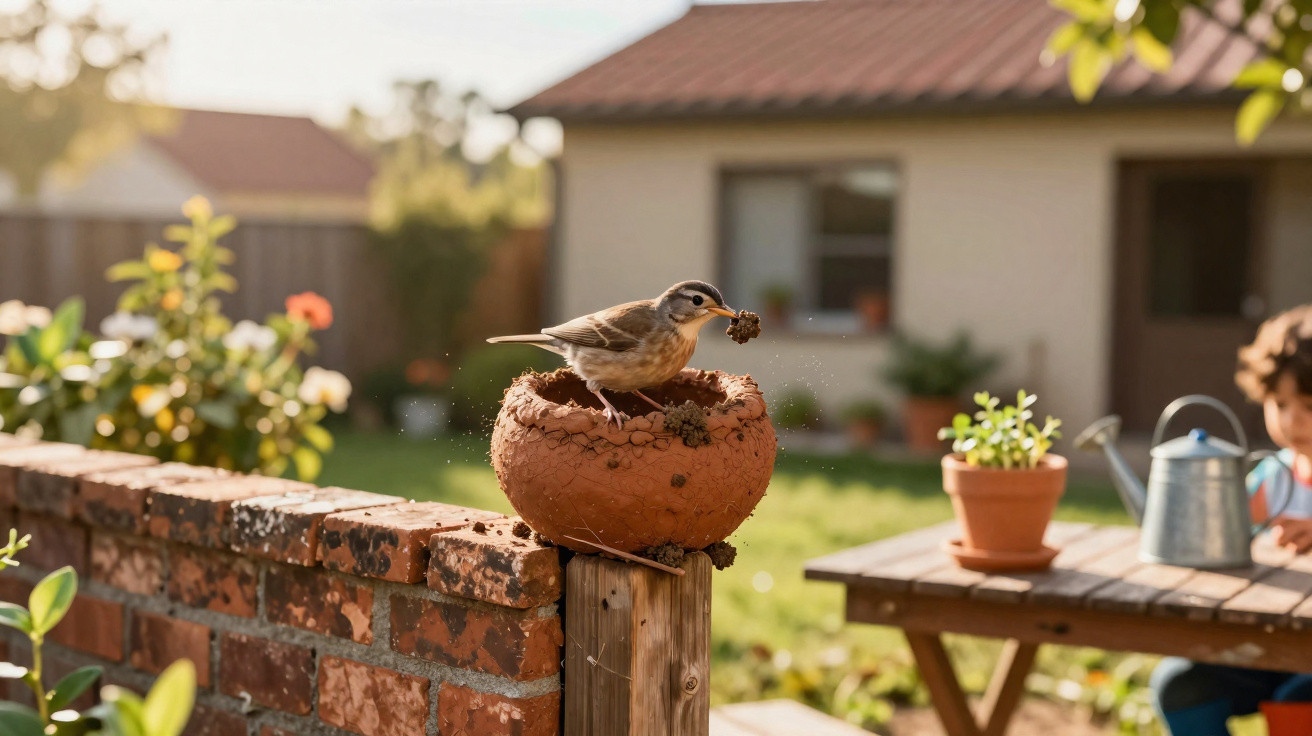
Ending supplementary feeding does not mean the end of helping birds. On the contrary, this is the time when you can support them more sustainably by providing habitat rather than a food dish.
Water becomes vital in spring
Many species begin their breeding season in spring. They need water for drinking, bathing and caring for their plumage.
- Put out a shallow dish of fresh water.
- Clean the container every day with hot water, without using harsh cleaning products.
- Place a small stone or twig inside so that insects can climb back out.
A clean bird bath is more useful in spring than any feeder.
Design your garden so it replaces a feeder
The best “feeder” is a garden that provides natural food throughout the year. Even small changes can make a difference.
| Measure | Benefit for birds |
|---|---|
| Plant native shrubs, such as dog rose, elder and blackthorn | Berries in autumn, shelter in spring and nesting opportunities |
| Choose wildflowers instead of ornamental lawn alone | More insects as food for many species, especially young birds |
| Leave some areas untidy, with leaves and dead wood | Cover, places for insects to shelter and extra food from small creatures |
| Avoid using poisons in the garden | Insect populations remain stable, with no poisoning risk for birds |
Fewer interventions, more peace
Many species are nesting in spring, so excessive care can disturb them. Constantly looking into bushes, photographing nests or collecting apparently “abandoned” young birds can quickly cause harm.
- Do not mow lawns too often or too short, as birds search there for insects.
- Leave nest boxes alone as far as possible at this time and avoid frequent checks.
- Watch young birds on the ground for a while before intervening. Their parents are often nearby.
Why too much food in spring can even be fatal
Winter-feeding advice rarely mentions that food in spring is not merely unnecessary but can be life-threatening for some species. Many songbirds, for example, need animal protein to rear their young, including insects, spiders and larvae. If parent birds become too used to seeds, they may bring their chicks an unsuitable mix of carbohydrates and fats.
Food also spoils much faster in warm weather. Rancid fat, mouldy seeds and contaminated feeders place strain on birds’ bodies. Weaker animals are affected first, and disease can spread. In this way, well-meant help becomes a risk.
Practical tips for city residents without a garden
You can also do a great deal from a balcony or windowsill without continuing to feed birds into the spring season:
- A small pot of native flowering plants attracts insects, which in turn draw birds.
- A narrow water dish in a sheltered spot provides drinking and bathing water for sparrows and tits.
- Apply bird-safety stickers to glass surfaces so birds do not fly into them.
People living in rented flats can also speak to neighbours or resident groups. A shared project, such as a wildlife-friendly communal courtyard or a planted strip beside parking spaces, offers far greater value than an extra serving of seeds in April.
What the changing seasons mean for feeding behaviour
Winter feeding can be a valuable introduction to nature conservation and can inspire children to take an interest in birds. The crucial step comes in spring: food disappears and habitats are created. This shift from feeder to bird-friendly surroundings is what makes the long-term difference.
Anyone who understands that birds no longer need extra seeds in spring, but instead need safe nesting places, plentiful insects and water, can help far more effectively. A pleasant winter ritual then becomes a year-round commitment to greater biodiversity, without leaving birds dependent in an unhealthy way.







Comments
No comments yet. Be the first to comment!
Leave a Comment