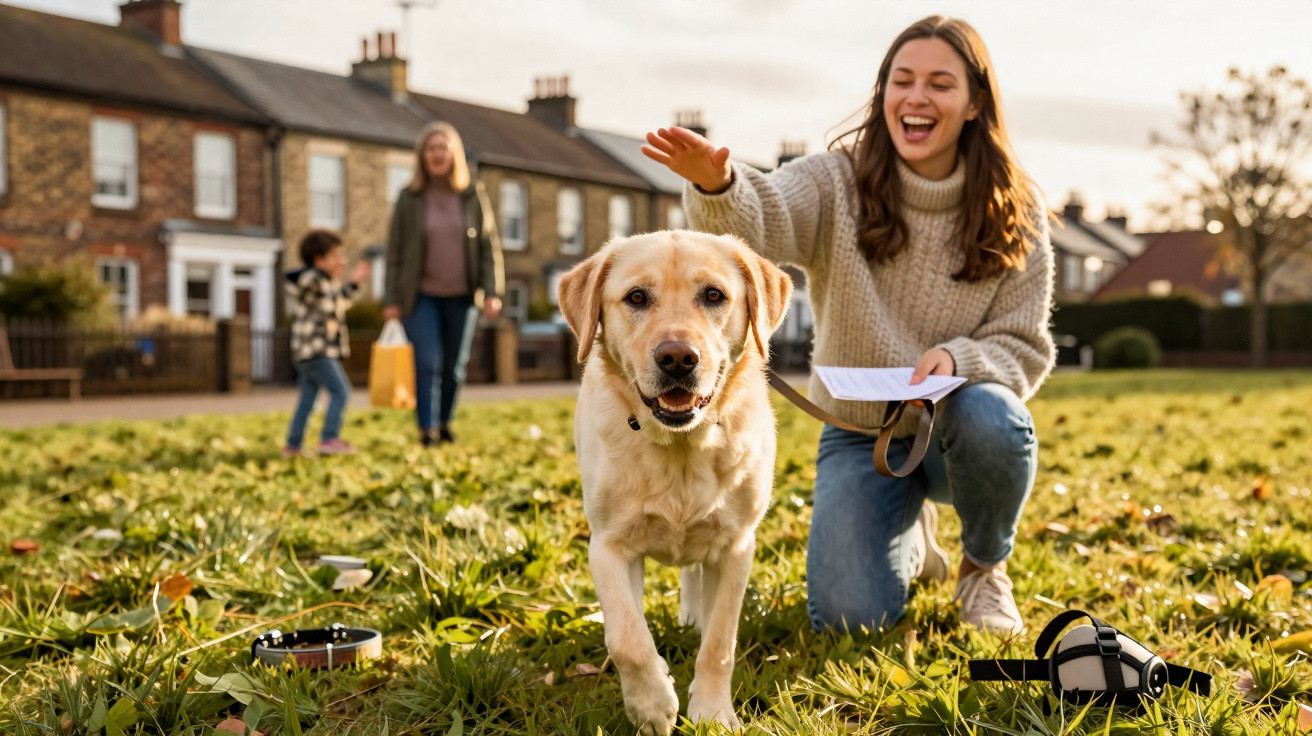
Two years on, it all feels like a message from above.
A young woman, a senior dog who had almost been written off, and a coincidence that, in retrospect, feels like a carefully mapped-out path: the story of Olivia and Oscar, a Labrador from Sheffield, shows how profoundly an animal can turn a whole life upside down – while also bringing it into order. What appears to be a brief final chapter for an old dog becomes a moving fresh start for them both.
A shelter visit that changes everything
In 2024, Olivia walks into an animal shelter in Sheffield, in the north of the United Kingdom. She is not looking for a puppy or a “perfect” family dog; instead, she wants to give a chance to an animal with poor prospects of being rehomed. In the final kennel, she finds him: Oscar, a greying Labrador, calm in appearance and clearly older than the other dogs.
The shelter staff tell her that Oscar is the oldest dog in the entire shelter. Many potential adopters pause briefly at his kennel before moving on. Most are looking for a young, energetic dog with as many years as possible ahead of them. Olivia listens to his history and asks about his health, routines and needs.
From the very first moment, she senses that this dog is not simply “another shelter dog”, but one who touches a personal story.
Olivia grew up with a Labrador who was also called Oscar. He belonged to her aunt and had been her loyal childhood companion for years. Every family celebration and every holiday memory seemed to include the name Oscar. When she now sees that same name on a shelter kennel, she stops. She feels there is something more than coincidence at work.
Oscar the Labrador: a name becomes an emotional bridge
Although the new Oscar does not physically resemble the family dog from her childhood, Olivia immediately feels the connection. She is transported back to playing in the garden with her aunt’s Labrador. The shelter staff explain that the senior dog is calm, friendly and people-oriented, is used to long walks and adapts well.
Olivia hesitates briefly. She knows that a dog of his age is unlikely to have many years left. She fears the inevitable goodbye, but also feels strongly that she wants to give him this final stage of life.
Rather than acting on emotion alone, she carefully considers the practicalities:
- Does she have enough time for daily walks and care?
- Is there enough room in her flat for a large dog?
- Can she afford veterinary bills and specialist food for a senior dog?
- Is her day-to-day life stable enough to give the dog security?
When she can answer every question with yes, she signs the adoption papers. A few days later, Oscar gets into her car – an almost 13-year-old dog being given a home once again.
A bereavement – and an unexpected meaning
Just one month after taking Oscar in, Olivia loses her aunt. Her death affects the family deeply. During the funeral, Olivia repeatedly thinks of the Labrador from her childhood – and of the senior dog now lying on her sofa, bearing the same name.
To Olivia, it feels as though life sent her this dog at exactly the right moment – a kind of quiet sign, a link between the past and the present.
Naturally, nothing like this can be proven. Yet for many people who adopt an animal, such coincidences take on particular significance. A name, the timing of an adoption or a striking characteristic can all help someone cope with loss. Olivia tells herself that, without this emotional prompt, she might never have found the courage to adopt a senior dog.
Two years later: this “retiree” is hard to stop
Today, two years after the adoption, Oscar is a striking example of how much life an old dog can still have in him. The feared “few months” have turned into full, active years. He is now 13 – an impressive age for a Labrador – and is nevertheless remarkably fit.
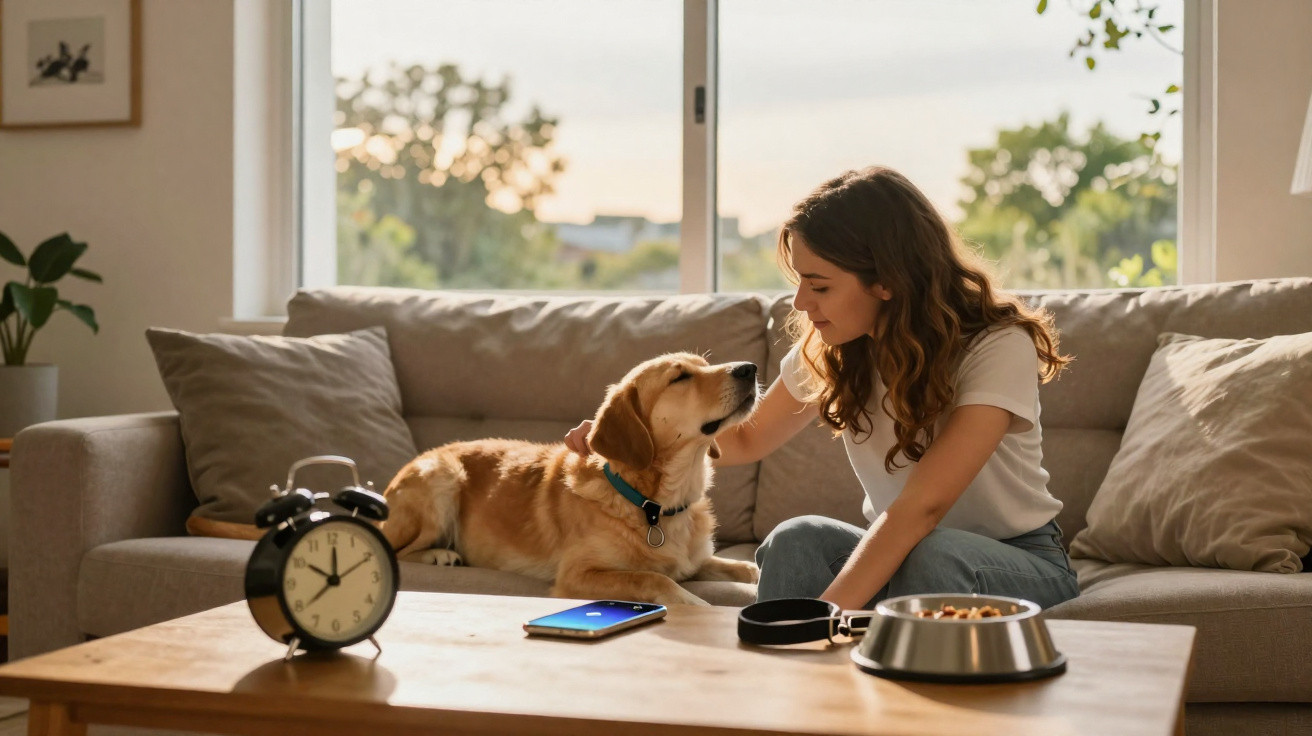
Olivia has established a consistent routine:
- Three walks a day, each lasting around 25 minutes.
- Gentle stretching and loosening exercises for his joints after walks.
- Senior food suited to his weight and activity level.
- Regular veterinary checks to spot age-related conditions early.
Oscar takes it all in his stride. He looks forward to every trip outside, greets neighbours warmly and settles contentedly into his basket at home. He shows hardly any signs of discomfort, and complaining is not in his nature. This quiet enjoyment of life is especially infectious.
A neighbourhood favourite
Oscar is now recognised almost everywhere in his part of Sheffield. Children wave to him, older people stop to stroke him, and commuters on their way to work smile when they see the Labrador ambling along. Many know his age – and that he had nearly been given up on at the shelter.
The “senior with no chance” has become a small local star, showing every day just how valuable each extra day can be.
To the neighbourhood, Oscar is more than simply a dog. He gives shape to conversations over garden fences, gets strangers talking and brings a moment of calm to an often hectic daily routine. Anyone who meets him automatically slows down.
Why senior dogs are so often overlooked
Animal shelters repeatedly report the same pattern: puppies and young dogs quickly find homes, while older animals usually wait a long time – sometimes until the end of their lives. The reasons tend to be similar:
- Fear of high veterinary costs
- Concern about an early and painful farewell
- The wish to have as many years together as possible
- The assumption that older dogs are “boring” or “no longer able to learn”
Oscar’s example reveals another side. Senior dogs often come with clear advantages:
- They are generally house-trained and familiar with life in a home.
- They tend to have a calmer temperament, sleep a great deal and require less activity.
- Their character is already established, so there are fewer surprises.
- They appreciate affection deeply and show considerable gratitude.
Of course, prospective owners have a responsibility to ask themselves honestly before adopting whether they can cope with possible illnesses and limited time together. Those who make that choice consciously can experience an especially deep bond.
What to consider when adopting an old dog
Anyone considering a senior dog after hearing Olivia and Oscar’s story can use several practical points as guidance:
| Area | What should you consider? |
|---|---|
| Health | Veterinary pre-adoption examination, known diagnoses, medication, pain management |
| Daily life | Stairs in the home, slippery floors, a quiet retreat, a comfortable sleeping area |
| Finances | Funds set aside for veterinary care, potentially specialist food and physiotherapy |
| Time | Regular, shorter walks, additional care, closer monitoring of health |
Comparing these points with your own life quickly gives an idea of whether an older dog is the right fit. Many shelters offer very open advice, highlight the risks and help people make a well-considered decision.
When a dog becomes an emotional anchor
Olivia’s story also illustrates how strongly animals can support people during periods of grief and change. Her dog’s name is directly connected to happy memories, while the daily rhythm of walks and feeding times gives structure to her life – especially after losing her aunt.
Some call it coincidence, others destiny: for Olivia, Oscar is both – a memory of the past and support in the present.
Older dogs in particular can often serve as “emotional anchors” because their pace is slower and they are content with smaller rituals: a regular walking time, a particular spot on the sofa or a routine cuddle in the evening. These recurring moments can provide stability during stressful or sad times.
Anyone who welcomes a senior dog into their life must confront impermanence more consciously than they would with a puppy. Their time is limited, and the ending is more present. At the same time, those very circumstances can make every shared week feel more meaningful. Olivia now tells herself that, had she let fear of the farewell stop her, she would have missed out on two fulfilling years with Oscar – and on the feeling of not merely saving an old dog, but helping him truly shine again.








Comments
No comments yet. Be the first to comment!
Leave a Comment