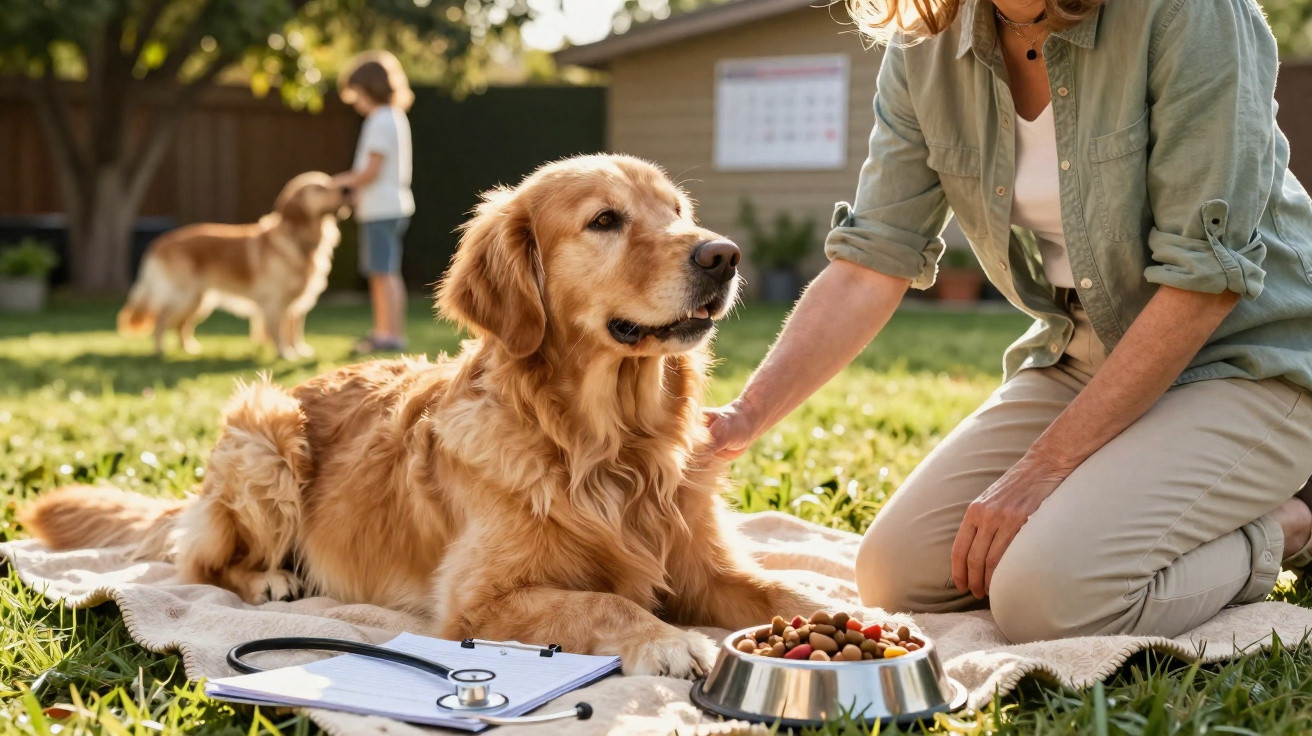
Anyone who has shared their life with a Golden Retriever knows how quickly these dogs win your heart. That makes it all the more painful to realise that the time together is often shorter than hoped. Recent observations from veterinary practices and breeding circles suggest that the life expectancy of this much-loved breed may be declining. Why might this be happening, and how can owners respond without becoming consumed by worry?
A family dog with an expiry date? What the figures suggest
Golden Retrievers are widely seen as the ideal family dog: affectionate, playful, resilient and rarely aggressive. Many owners naturally expect to have their dog by their side for 12 to 13 years. In recent years, however, there have been increasing reports of dogs dying at just 9 or 10 years old, often following a brief but severe illness.
Veterinary surgeons and specialist clinics do not regard this as mere coincidence. They report that certain serious illnesses occur strikingly often in Golden Retrievers. As a result, the lifespan dogs actually reach frequently falls below the theoretical “target age” many owners have in mind.
In statistical terms, Golden Retrievers receive a shock diagnosis earlier and more often than many other popular breeds.
For owners, it can feel as though someone has secretly turned the clock forward. Their dog may have seemed lively until recently, eating and playing as normal, when suddenly the question is whether there are only months, or even weeks, left.
Genetic risk: why cancer strikes so often
The central issue repeatedly highlighted by specialists is genetics. Certain inherited forms of cancer are more common in Golden Retrievers. This does not mean that every dog will inevitably become ill. Statistically, though, the breed faces less favourable odds than many other dogs.
Veterinary surgeons particularly often report:
- Haemangiosarcoma: a highly aggressive tumour, often affecting the spleen or heart and usually going unnoticed for a long time.
- Lymphoma: a malignant disease of the lymphatic system that can affect the entire body.
- Bone cancer (osteosarcoma): more common in larger dogs, with Golden Retrievers disproportionately represented.
The breed’s enormous popularity has come at a historical cost. Over decades, some breeders selected primarily for appearance and temperament: a beautiful coat, a gentle expression and polite behaviour. Conditions that only become apparent years later were therefore difficult to eliminate through breeding. In this way, certain inherited risks may have become established without being noticed.
It is important for owners to understand that, in many cases, the main cause is not a “mistake” involving food, exercise or care. Even a Golden Retriever kept in the best possible conditions can develop an aggressive tumour. Recognising this can lessen feelings of guilt, although it does not make the situation any less serious.
Less guilt, more strategy: what Golden Retriever owners can do
The genetic starting point cannot be undone. But loving a dog does not mean having to stand by helplessly. The key is to stay alert in everyday life and to be willing to see a veterinary surgeon early rather than waiting to see what happens.
Spotting early warning signs
Many malignant diseases begin subtly. Even minor changes may indicate that something is wrong.
| Warning sign | Possible meaning | Owner response |
|---|---|---|
| Sudden lethargy | Anaemia, internal bleeding, pain | See a veterinary surgeon by the following day at the latest |
| Lumps beneath the skin | Cyst, fatty lump or tumour | Arrange a prompt assessment; a biopsy may be needed |
| Weight loss despite normal eating | Metabolic disease or cancer | Ask about blood tests and an ultrasound scan |
| Rapid breathlessness, coughing | Heart problem, lung disease, tumour | No exercise; seek immediate examination |
The simple but effective “stroking strategy”
A surprisingly useful tool is part of an ordinary daily routine: giving your dog a fuss on the sofa. Owners who deliberately check their dog’s body regularly are more likely to notice changes sooner.
- Slowly run your fingers over the chest, abdomen and sides.
- Look out for lumps, hardened areas or unevenness.
- Check the inner thighs, groin and beneath the front legs too.
- Once a month, make a brief note of anything new or anything that has grown.
This almost effortlessly creates a kind of health record. If a lump is suddenly much larger two weeks later, the veterinary surgeon has an important clue.
Lifestyle: how food, weight and exercise affect the odds
Genetics cannot be changed, but everyday habits can. Many veterinary professionals agree that a lean, well-exercised Golden is better placed to cope with possible cancer or other illnesses than a heavily overweight dog that spends most of its time on the sofa.
Keeping weight in the healthy range
Golden Retrievers tend to beg, and people tend to give in. Every extra treat adds strain to the dog’s hips, joints and organs.
- The ribs should be easy to feel but not visible.
- Viewed from above, there should be a slight waist.
- Weigh your dog regularly, ideally using the same scales each time.
- Account for treats: anyone giving lots of rewards must adjust the main meal accordingly.
Excess weight puts pressure on the heart and joints, promotes chronic inflammation and may encourage certain types of tumour. Every calorie-dense treat avoided improves the chance of more comfortable years.
Exercise – with care and common sense
A typical Golden Retriever day may involve retrieving games, long walks and plenty of excitement. As the dog gets older, the pace should be adapted:
- Choose longer, calmer walks instead of constant ball throwing.
- Where possible, opt for joint-friendly activities such as swimming.
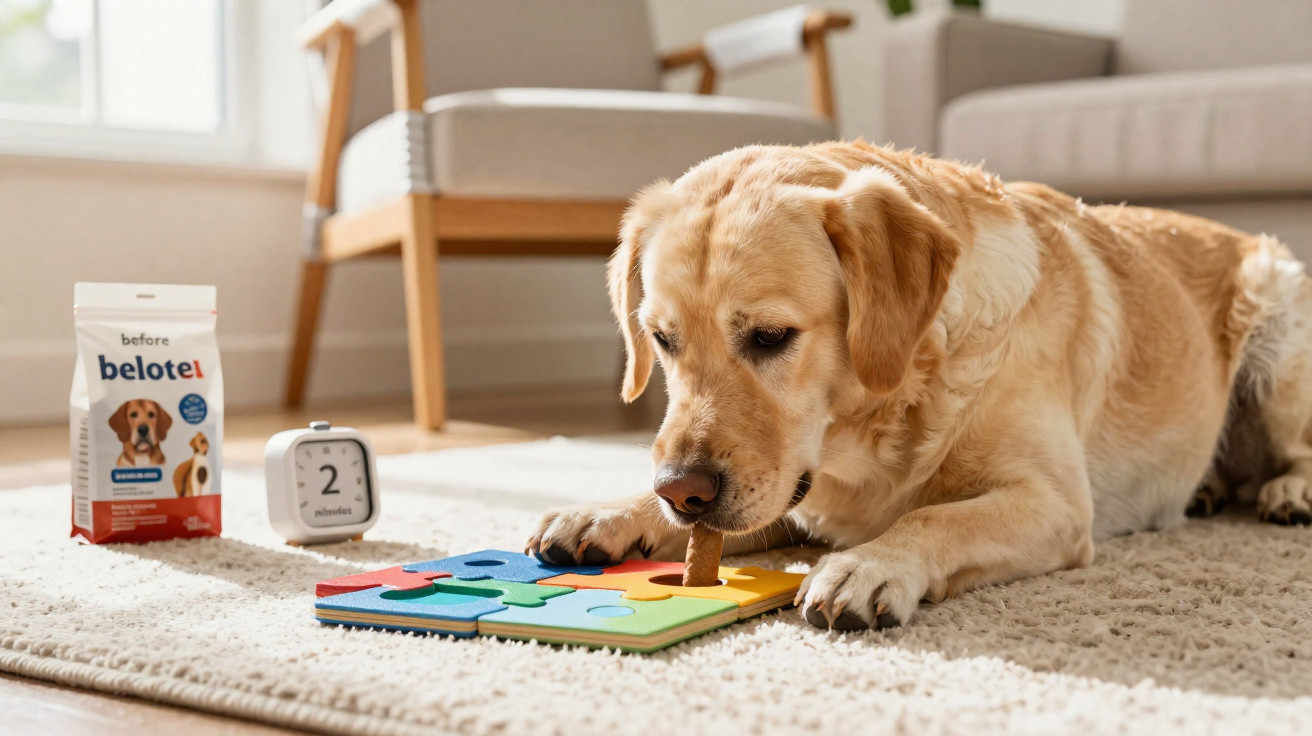
- Use puzzle games and scent work to tire the dog mentally.
This helps the dog remain fit without overloading its body. Mental stimulation often has a stabilising effect on overall wellbeing, and many Retrievers enjoy it even more than their hundredth chase after a ball.
Living with the worry that remains in the background
Anyone deliberately choosing a Golden Retriever is, indirectly, also accepting a raised risk of illness. Many owners say that, from their dog’s eighth birthday onwards, every cough makes them anxious. The fear of hearing that first serious diagnosis is always there.
The art is to be prepared without losing every day to thoughts of saying goodbye.
A practical conversation with a veterinary surgeon can help owners view their role more realistically: which preventative checks make sense at which age? When is an ultrasound scan advisable? Are there clinics in the area with a focus on oncology?
Some owners start putting money aside early or take out pet health insurance, so that they do not have to forgo diagnostic tests or treatment for financial reasons if the worst happens. Simply knowing they are prepared eases the sense of helplessness for many people.
What to consider when choosing a puppy
Those who have not yet bought a dog can influence their personal risk to some extent. There can never be a guarantee, but certain signs point to responsible breeding.
- The breeder openly provides health records for both parents.
- They do not constantly offer new litters, but breed in manageable numbers.
- A pattern of early deaths within the bloodline has not been “swept under the carpet”.
- Cancer cases in the pedigree are discussed openly rather than met with evasive answers.
Anyone who feels that uncomfortable topics are being brushed aside at the first meeting would be wise to walk away, however cute the puppies may be.
What “life expectancy” really means in dogs
The term life expectancy can seem abstract. In dogs, it generally refers to averages calculated from many cases. That means some animals die considerably earlier, while others live noticeably longer than the average. Individual Golden Retrievers can easily reach 14 years or more despite all the risks.
For owners, it is worth shifting perspective. Rather than fixating on a number, the more important question becomes how much quality of life is possible at each stage. A ten-year-old dog that still enjoys walks, eats, plays and seeks affection has a good life from a dog’s point of view, even as thoughts about mortality become more frequent.
Many people say that the limited time makes everyday life with their Golden feel more intense. Those who know that each winter together could perhaps be the last often take muddy walks in the rain or hair on the sofa more calmly. From a medical perspective, knowledge and preventative care cannot always change the final outcome. But they can significantly change how the journey towards it is managed.





Comments
No comments yet. Be the first to comment!
Leave a Comment