
A new study has found that humans favour many of the same sounds that other animals select when choosing mates.
The overlap suggests that beauty in sound may reach beyond culture, crossing species boundaries through shared biology.
Human and animal sound choices match
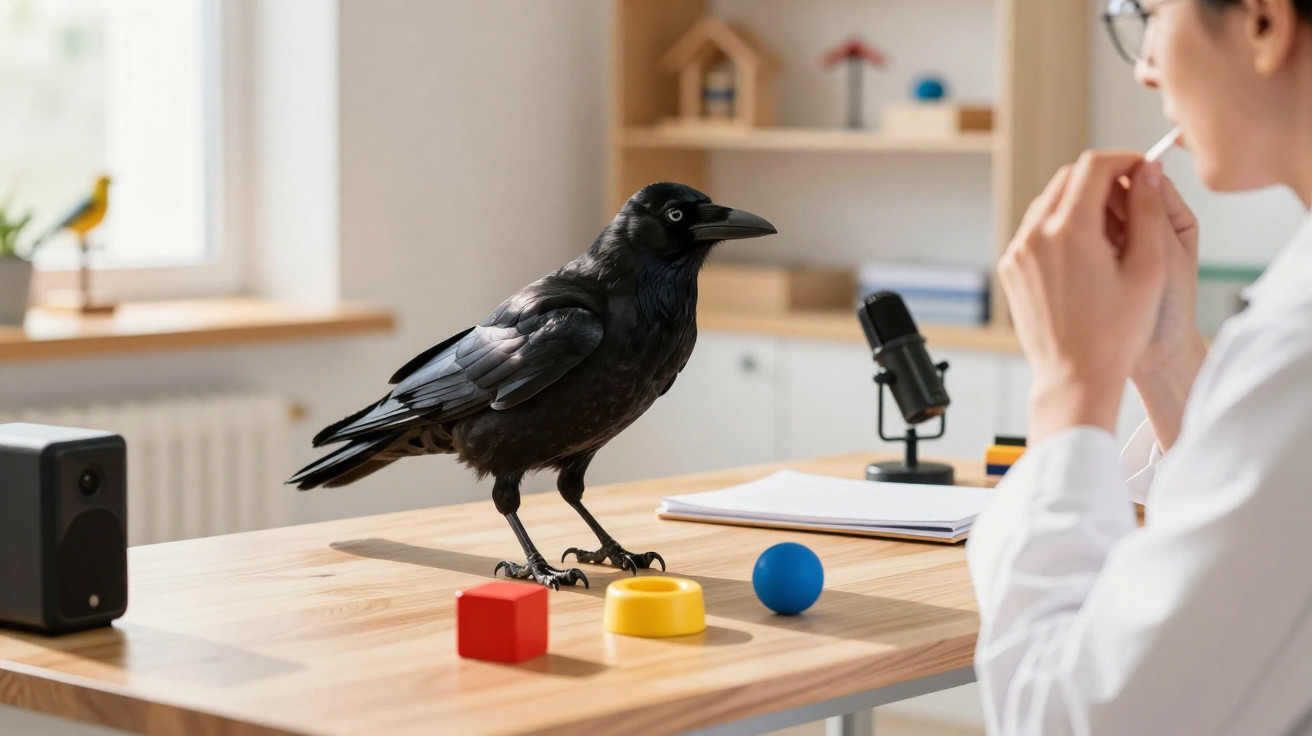
In an online game featuring 110 pairs of recordings, listeners repeatedly selected calls that animals were already known to prefer.
Using 4,196 responses, Logan James at McGill University recorded this agreement across 16 species.
The pattern extended across the animal kingdom, encompassing insects and frogs as well as birds and other mammals.
That range made it less likely to be a peculiarity of a single group, raising the broader question of what draws different listeners to the same sounds.
Simple sound comparisons
Every pair came from previous animal tests in which one call had already proved more attractive to a listener than the other.
Participants heard just two options at once, keeping the task straightforward and requiring a clear choice.
The recordings were courtship signals: displays animals use to attract mates. The human choice therefore mirrored a decision animals frequently face.
This simple two-choice format allowed researchers to compare human and animal preferences directly, without becoming caught up in technical complexity.
Strong preferences aligned
Matching choices occurred more frequently and were also made more quickly, making random guessing a less convincing explanation.
When animals showed stronger preferences, human agreement also grew stronger in the experiment, rather than giving way to indifference.
The repeated matches suggested that people were not merely relying on one simple cue before changing their minds in the next trial.
The speed of matching responses further supported the idea that a shared attraction in the sounds was guiding both humans and animals.
Why the overlap exists
Many courtship sounds exploit inbuilt quirks of hearing, often before experience has much influence.
Biologists describe these tendencies as sensory biases: patterns of perception and attention that can influence mate choice.
Where species share enough sensory wiring, a trill or a deeper note may appeal to more than one kind of listener.
This does not make taste universal, but it helps explain how preferences can overlap without training or a shared culture.
Sounds that grab attention
People were particularly often drawn to lower-pitched calls, the clearest individual trend across the recordings.
Agreement was also greater for acoustic adornments: extra sound elements, such as clicks or trills, that make a signal richer.
These additions can catch attention or distinguish a call from background noise, which might help explain their appeal.
No single feature accounted for the entire pattern. The authors argued that people responded to combinations of cues rather than one special property.
Training has little effect
Familiarity with animal sounds did little to increase agreement, and formal musical training made little difference either.
The number of hours spent listening to music each day had a small association, perhaps because frequent listeners pay closer attention to sound details.
That difference between everyday listening and formal training matters when making broad claims about taste.
Attention, rather than prestige or specialist knowledge, may be most important when people assess unfamiliar animal calls.
Animals appreciate beauty
The debate underlying the result goes back to naturalist Charles Darwin’s 1871 book, which presented beauty as something animals notice.
“They have nearly the same taste for the beautiful as we have,” wrote Darwin.
For more than a century, the statement remained provocative because demonstrating shared taste across species is much harder than suggesting it.
James and colleagues put numbers behind that old claim instead of relying on intuition, helping to make the finding compelling.
The meaning of shared taste
Shared preferences do not necessarily mean that humans and animals hear sounds for the same reasons or seek the same outcomes.
They do, however, suggest that some pleasing features may depend on common sensory hardware, even when a signal evolved for another species.
A shared sensory foundation offers scientists another clue as to why birdsong, frog calls or insect rhythms can seem strangely compelling.
The modest extent of the overlap also cautions against assuming that beauty works identically everywhere.
Future research directions
Researchers are continuing to collect responses through the game, which should help establish whether the pattern persists across more species.
Planned experiments will change calls directly, adding or removing small flourishes and then measuring whether their appeal increases or decreases.
Such direct alterations matter because they can distinguish a simple correlation from a causal effect within the sounds themselves.
If the same features continue to prevail, the evidence for a shared biology of acoustic appeal will become clearer.
Across thousands of choices, people repeatedly favoured the same calls that help other animals choose their mates.
The pattern does not erase human culture or individual taste, but it suggests that beauty in sound is older and more widely shared.















Comments
No comments yet. Be the first to comment!
Leave a Comment