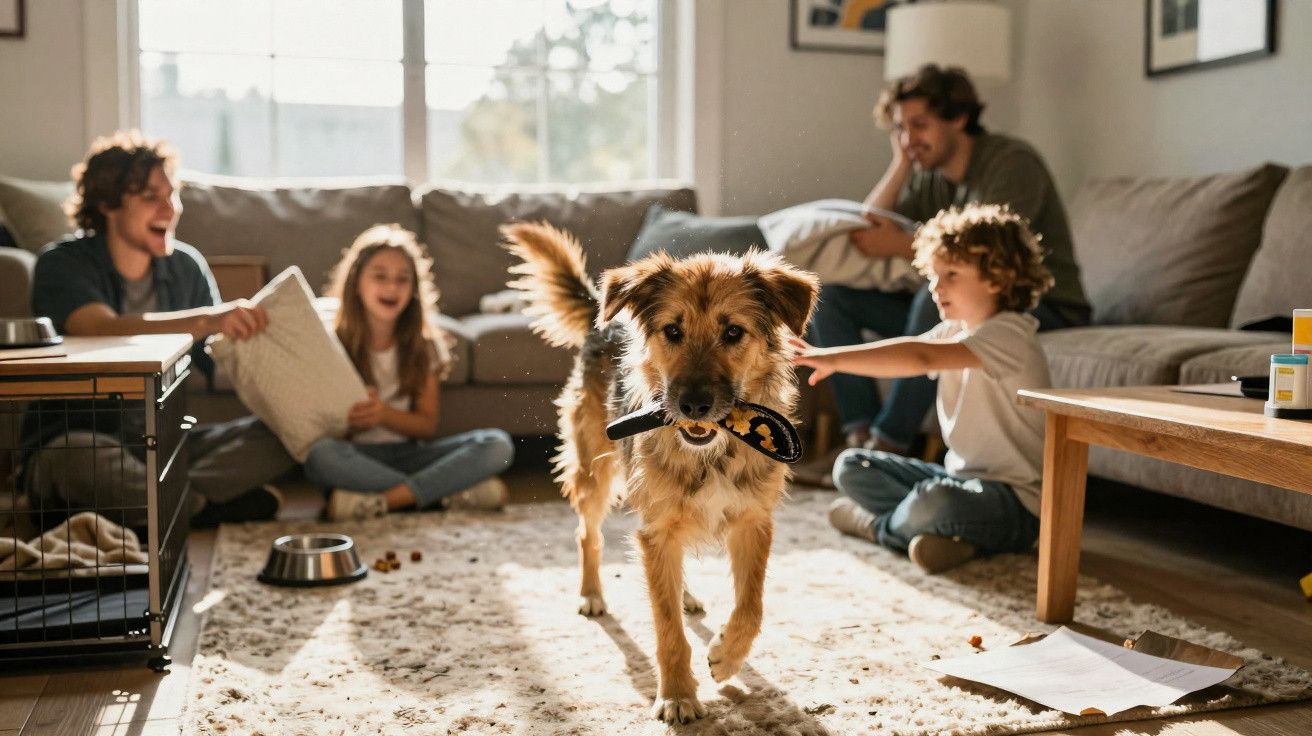
The first night, he barked at the fridge.
The children cried in their bedrooms, the neighbours thumped on the wall, and my partner sat on the sofa wearing the expression that meant, “What have we done?”. The rescue dog leaflet had promised a grateful, soft-eyed little soul. Instead, a shaking, panting stranger paced our hallway, apparently unaware of the plan.
At 2 a.m., I was in the kitchen amid puppy pads, partly destroyed shoes and a dog that recoiled whenever I moved.
No one warns you that love at first sight can sometimes come with a growl.
When the dream rescue dog arrives with baggage
Scroll through social media and adopting a rescue dog looks like a direct route to happy family life. There are adorable pictures, emotional captions and tidy before-and-after transformations in short videos. But once the front door shuts and the camera is put away, the reality can resemble a car crash unfolding in slow motion.
Rescue dogs do not arrive without a past. They bring fears, learned behaviours and, at times, trauma you may never completely understand. That past lands in the middle of your living room, alongside school runs, work emails and whatever energy you had left.
The dream is: “We’ll save him.” Everyday life can quickly become: “Can we survive this?”.
Shelter staff will often quietly mention “boomerang dogs”. These are the dogs collected on Saturday by smiling adopters, then returned by exhausted, bewildered families on Thursday. It is not because those families are cruel. It is because the shock can be very real.
One couple I spoke with brought home a timid beagle cross “for the kids”. In three days, he had torn up two pairs of trainers, snarled after their toddler stumbled near his bed, and howled whenever anyone lifted the car keys. The father began staying at work later. The mother wept in the bathroom. The children retreated to their rooms.
By week two, their family diary resembled a behaviourist’s timetable. Their weekends had not simply been “ruined”. Their entire sense of what home meant had changed.
A truth people seldom voice is that a rescue dog does not merely fit into family life. It reshapes it. Routines start revolving around meals, controlled walks and time to decompress. Your social life can narrow when visitors might trigger a meltdown.
When a dog has separation anxiety, simply going out becomes a negotiation. If it guards food or toys, every children’s playdate becomes an exercise in managing risk. The mental burden is enormous: you constantly watch for triggers, rising tension and the smallest signs that a situation could escalate before anyone is frightened or hurt.
Family life is not destroyed by one dramatic incident. It is quietly rewritten through one compromise after another.
Moving from chaos to a life you can manage
Begin small - almost absurdly small. Offer one safe room, one reliable routine and one calm action you will repeat every day, however tired you feel. That might mean a ten-minute walk at a fixed time, a peaceful chew in the same spot, or a straightforward “sit” and “down” routine before food.
Rescue dogs hold on to predictable patterns as though they are a lifeline. The more dependable you are, the less they feel compelled to search the world for threats. Give them a den-like space: perhaps a crate draped with a blanket, or a bed beneath a low table, where nobody disturbs them.
You are not teaching party tricks. You are showing a survival-wired brain that this home is not a battlefield.
Families often make the same well-meaning error: assuming the dog should instantly become everybody’s best friend. Children rush over for cuddles, while adults gather close in an effort to “bond”. For a dog that has been abandoned, handled badly or simply not socialised enough, that can feel like an ambush.
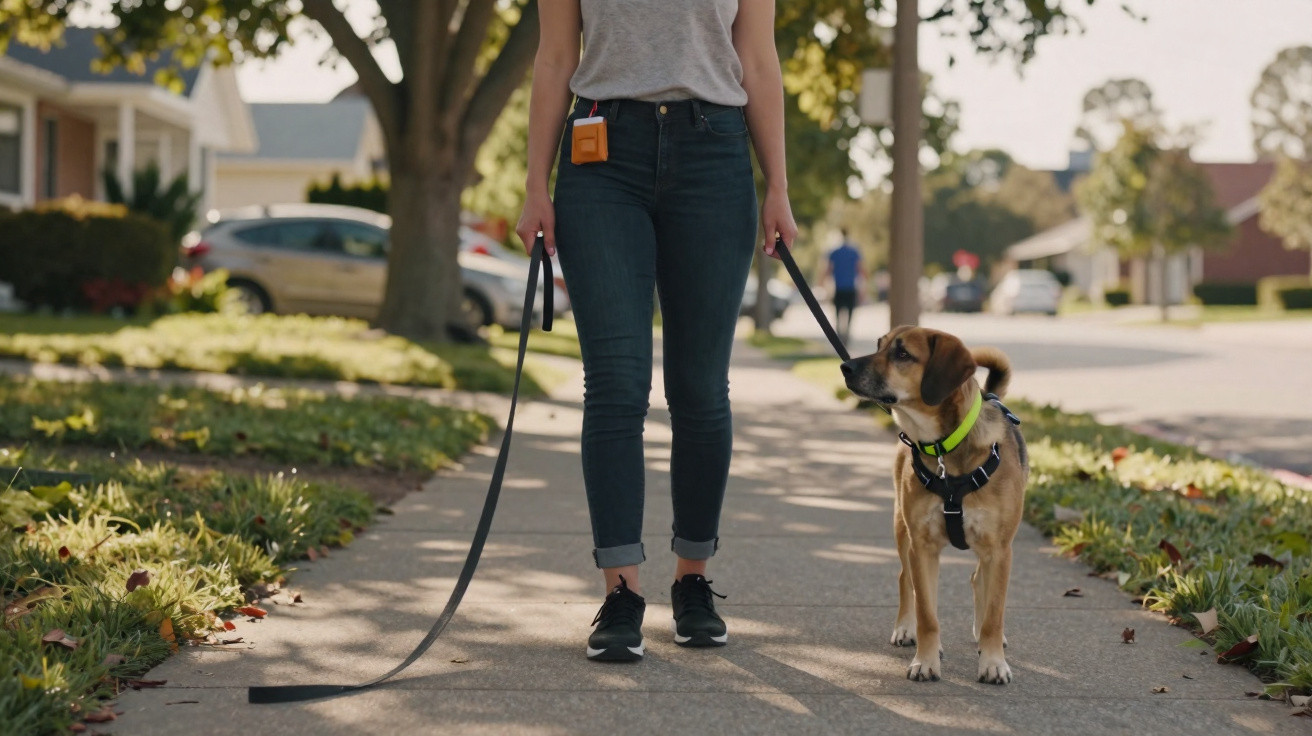
Reduce the pressure dramatically. Allow connections to develop indirectly. Try walking alongside each other rather than insisting on cuddles. If the dog is nervous, throw treats instead of feeding from the hand. Keep interactions brief and positive, then give space. Plenty of space.
Honestly, nobody manages this perfectly every day. There will be days when you lose your temper and days when you cry. That does not mean you have let your dog down. It means you are human.
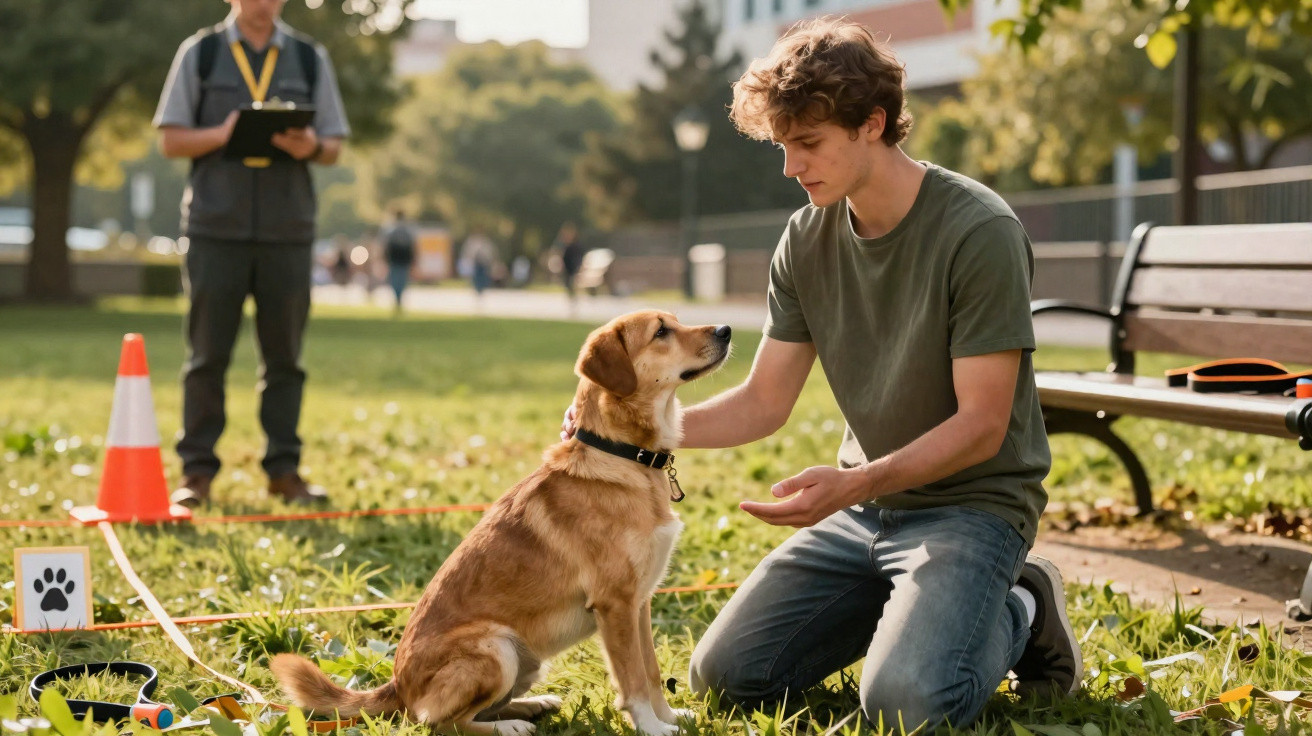
Sometimes the most loving thing you can say is, “We’re struggling, and we need help.” A behaviorist who understands fear-based reactions can change the entire atmosphere at home. I remember one telling a family: “You’re not living with a bad dog. You’re living with a terrified nervous system on four legs.” That sentence alone softened everyone’s shoulders.
- Set household rules from day one
Decide where the dog sleeps, which rooms are out of bounds and who takes it for walks at what time. Chaos fuels anxiety. - Make a dog area without children
Create somewhere the dog can withdraw without sticky fingers or unexpected hugs. - Allow for professional support in the budget
This may include a trainer, veterinary checks or a behaviourist. Love is not a substitute for expertise. - Use management equipment
Baby gates, crates and indoor leads are safety measures, not punishments. - Plan time off for adults
Let one parent or carer be off duty at a time. Resentment develops quickly when no one gets an evening away from the responsibility.
When losing your old life makes space for another
Sometimes, several months later, there is a quiet moment. The dog is asleep - properly asleep and snoring, rather than resting half-alert. The children no longer creep around the house. You sit among chewed toys and scratched skirting boards, realising that your former life has disappeared.
It is not only the spontaneous weekends or immaculate rug that have gone. The version of you that expected everything to be easy and Instagram-ready has stepped back as well. In its place is something tougher. More exhausted, certainly, but somehow more rooted.
Adopting a rescue dog can absolutely ruin the neat image you held of “family life”. It can put pressure on your relationship, challenge your patience and bring out your worst side on a difficult day. But beneath all of that, it may also reveal what your family is really made of when the script falls apart.
For some families, deciding it is too much and returning the dog will be the bravest and kindest choice available. Others will commit further, ask for help and gradually create a new normal in which the dog is no longer a project, but another imperfect and cherished part of the chaos.
Either way, this story is better when we share all of it - not only the rescue photograph and cheerful caption, but also the doubtful nights, hallway arguments and small, unglamorous wins. That is the version other overwhelmed families need to hear.
| Key point | Detail | Value for the reader |
|---|---|---|
| Rescue dogs bring history | Fear, trauma and habits clash with everyday family routines | Helps establish realistic expectations before adoption |
| Structure beats pure love | Clear boundaries, routines and safe spaces reassure both dog and people | Provides practical ways to reduce chaos at home |
| Help is part of the process | Trainers, behaviourists and honest conversations can prevent burnout | Makes seeking support feel normal rather than silently struggling |
FAQ:
- Question 1 Will a rescue dog always disrupt our family routine?
- Question 2 How long does it usually take for a rescue dog to settle in?
- Question 3 What if my children are frightened of the dog after a bad incident?
- Question 4 When should we contact a professional trainer or behaviourist?
- Question 5 Is it cruel to return a rescue dog if it truly is not working out?








Comments
No comments yet. Be the first to comment!
Leave a Comment