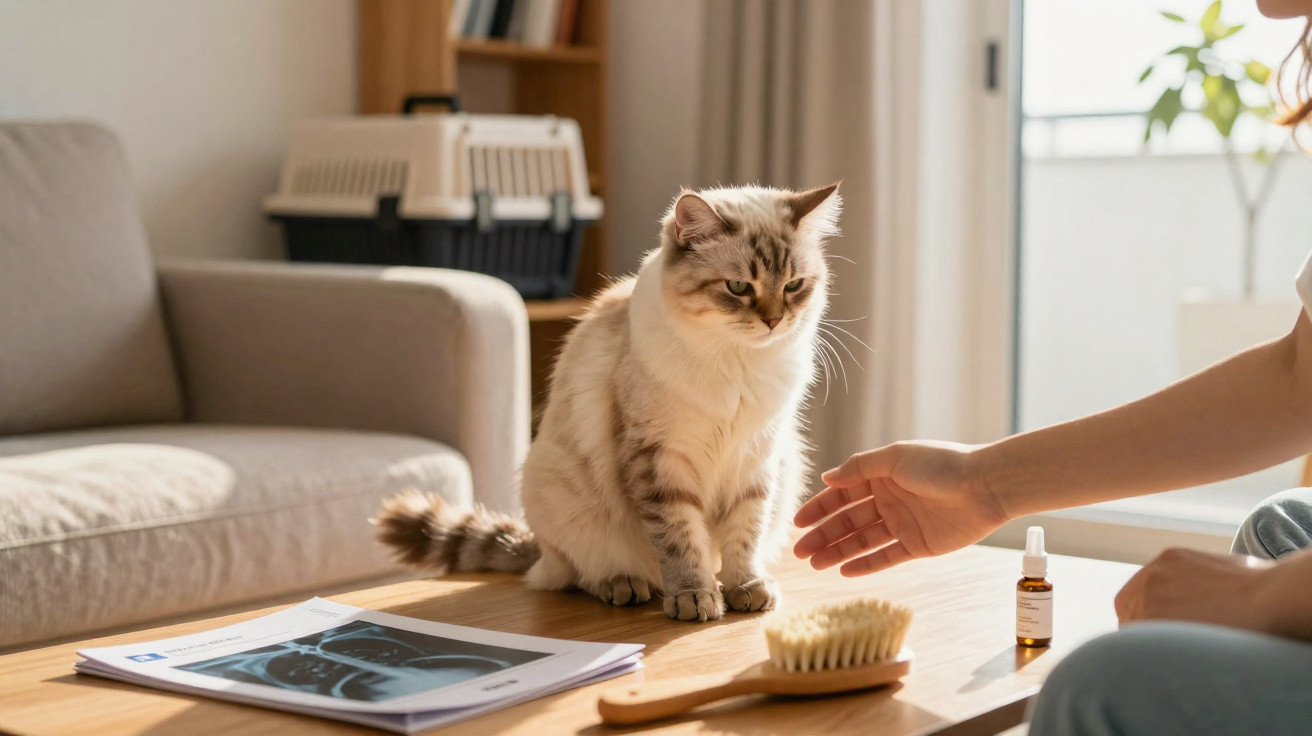
Many owners recognise that sinking feeling: yesterday, their cat was purring on their lap; today, it slips away as soon as a hand comes near. The immediate reaction is understandable – uncertainty, perhaps even a touch of hurt. Yet this withdrawal usually conveys a clear message and can even be a warning sign. Reading these signals properly helps safeguard the cat’s health and prevents misunderstandings in the relationship.
When an affectionate cat suddenly keeps its distance
From cuddle alert to cutting off contact: when it becomes serious
Cats are individuals. Some enjoy only brief strokes, while others seem almost inseparable from their people. A temporary “Not today” is entirely within the normal range. It becomes concerning when a cat that is normally sociable consistently avoids contact for several days.
A sudden change from being cuddly to refusing contact is often a sign that something is wrong – physically or emotionally.
If the cat withdraws, leaves the room whenever a hand approaches, or sits as though “frozen” in a corner, it is communicating: “Things cannot carry on as they have been.” Rather than dismissing this behaviour as a mood, it is time to look closely at what may be happening.
Spotting subtle changes in everyday life
It is not only the stroking itself that matters; the circumstances surrounding it are equally revealing:
- Does your cat reject closeness at particular times of day?
- Does the avoidance happen only in certain rooms or on certain pieces of furniture?
- Does it react more strongly to one person than to others?
- Have its eating, sleeping or play habits changed at the same time?
Keeping track of these patterns makes it easier to judge whether your cat simply needs some peace and quiet or whether a new problem has developed.
Body language: how cats show their displeasure
Ears, tail and back – small signals with major meaning
Most cats do not loudly announce their stress; instead, they communicate it through subtle gestures:
- Ears held back or turned sideways: a clear indication of discomfort.
- Tail thumping or lashing: its tolerance is running low, so it is best to end contact.
- A tense, slightly arched back: the body is closing itself off.
- A rigid posture or fixed stare: overwhelm and a possible defensive response are imminent.
- Intense grooming of one area after it has been touched: an attempt to “groom away” stress or an unpleasant sensation.
Anyone who repeatedly ignores these signs and simply carries on risks prompting the cat to use its last resort: scratching, biting or forceful hissing.
When withdrawal is more than a matter of character
Some cats have never enjoyed being stroked. For them, keeping their distance is normal. The situation is more significant when a cat that usually seeks affection suddenly shuts itself off. This is particularly true if withdrawal is accompanied by other changes:
- It sleeps noticeably more or noticeably less.
- It seeks out unusual hiding places that are difficult to reach.
- It seems more irritable towards people or other animals.
- It suddenly starts scent-marking or no longer uses the litter tray reliably.
This often means more than simply “not being in the mood”. In many cases, the cat is trying to signal a serious strain – physical, psychological or both.
When touch hurts: pain as a hidden trigger
Identifying sensitive areas
Cats are highly skilled at concealing pain. That is precisely why their reaction to touch can offer valuable clues. If a once-favourite spot abruptly becomes a no-go area, alarm bells should ring.
If the back, belly, legs or head suddenly become a no-go zone, illness or injury is often the cause.
Common signs that a particular area is painful include:
- the cat flinches when that spot is touched
- it tenses its body or presses itself away
- it hisses or growls despite never having done so before
- it licks or nibbles at the area unusually often
From dental problems and gastrointestinal discomfort to back or joint pain, many illnesses initially reveal themselves only through a changed response to touch.
Protective postures and unfamiliar movements
Pain is also often visible in the way a cat moves. Typical signs include:
- a stiff gait or obvious limping
- difficulty jumping onto the sofa, cat tree or windowsill
- avoiding places that were previously favourite spots
- lying curled up more often, with its belly and limbs drawn tightly towards its body
Older cats in particular can gradually develop joint problems. They have not become tired of cuddles; instead, they may be attempting to avoid any touch that could cause pain.
Vocal warnings and defensive reactions
When a normally quiet cat suddenly growls, hisses or instinctively snaps while being stroked, it is giving a very clear signal. Many owners initially label this as being “temperamental” or “dominant”. In reality, common causes include:
- acute pain, for example after a fall or fight
- inflamed skin or a parasite infestation
- severe muscle tension caused by poor posture
- internal illnesses that make touch uncomfortable
Remaining calm, avoiding telling the cat off and investigating the cause instead will spare it unnecessary stress.
When a vet is essential
Warning signs that should not be ignored
As soon as a cat persistently avoids every touch for several days or reacts as though it is clearly in pain, professional help is needed. A veterinary appointment is especially urgent if any of the following signs also appear:
- refusing food or eating substantially less
- vomiting, diarrhoea or constipation
- rapid breathing, noticeable panting or shallow breathing
- bleeding areas, swelling or visible injuries
- changed pupils, a cloudy gaze, or unusual discharge from the eyes or nose
Modern diagnostic methods – from X-rays and ultrasound scans to blood tests – can help narrow down many possible causes accurately. The earlier action is taken, the better the prospects for easing pain and preventing lasting damage.
Gentle handling at home
Until the cause has been clarified, the key is to remove pressure. Trying to persuade a cat to cuddle will make the issue worse. It is more helpful to actively show that it is safe:
- do not reach down from above; approach from the side instead
- use brief, calm touches rather than frantic fussing
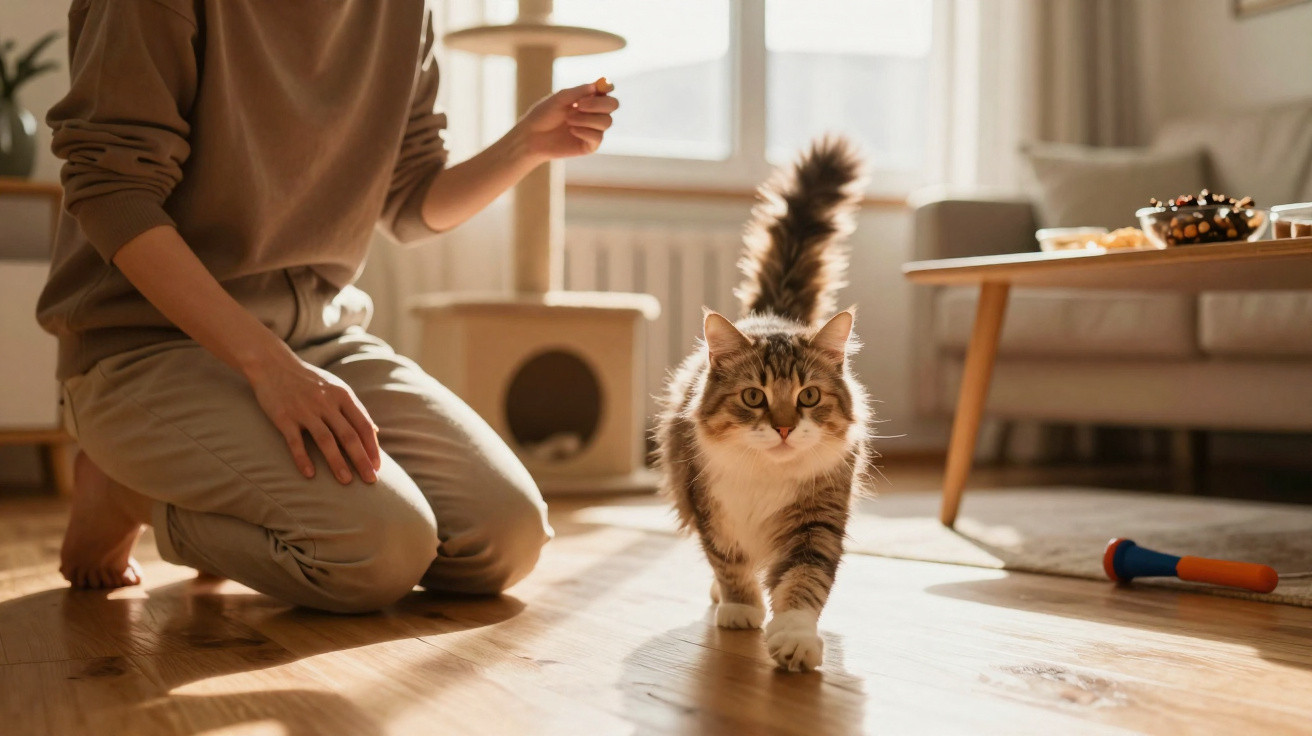
- let the cat decide whether it wants to come onto the sofa or sit on your lap
- provide retreat spaces where it will be left completely undisturbed
Many cats visibly relax once their boundaries are respected. Over time, this reinforces trust and improves the likelihood of future cuddly moments.
How to prevent problems
Care, environment and routine as protective factors
Many issues that later lead to a “refusal to cuddle” build up over a longer period. Owners can establish a solid foundation through:
- regular brushing to keep an eye on the skin and coat
- annual health checks, preferably more often for senior cats
- food suited to the cat’s age, weight and existing health conditions
- monitored claw care and dental health
The home environment also matters. Several resting places at different heights, scratching opportunities, play activities and clearly defined quiet areas all reduce stress. In multi-cat households, each cat needs its own resources, such as a feeding station and litter tray, to prevent competitive pressure.
Recognising stress and emotional strain
Not every rejection of touch is linked to physical pain. Some cats are highly sensitive to household changes, including moving home, new residents, renovation work, a baby or loud noises. In these circumstances, they may no longer perceive a hand as an affectionate gesture, but as another stimulus added to an already overflowing stress load.
The following can help during such periods:
- consistent routines for feeding and play
- short, predictable contact sessions instead of continual attempts
- calm areas that nobody follows the cat into
- if necessary, advice from a vet or behaviour therapist
What owners can learn from the situation
A cat that avoids strokes is not “refusing” loving contact; it is sending a message: “Something does not feel right for me at the moment.” Those who take this seriously often find that the relationship becomes even closer after the cause has been addressed. Many owners report that, following successful treatment, their cats become much more affectionate again than they had been in the preceding weeks – because the pain has finally gone.
For people living with cats, it is therefore worth keeping a few key principles in mind: pain in cats rarely looks the way it does in people, and is more often quiet and concealed. For these velvety-pawed companions, stress does not only mean noise; it can also include underlying conflict, monotony or overwhelm. Trust grows when touch remains reliably pleasant. Keeping these points in mind allows owners to respond more quickly when an affectionate cat suddenly becomes an expert at avoidance – and gives it the chance to seek closeness willingly again.














Comments
No comments yet. Be the first to comment!
Leave a Comment