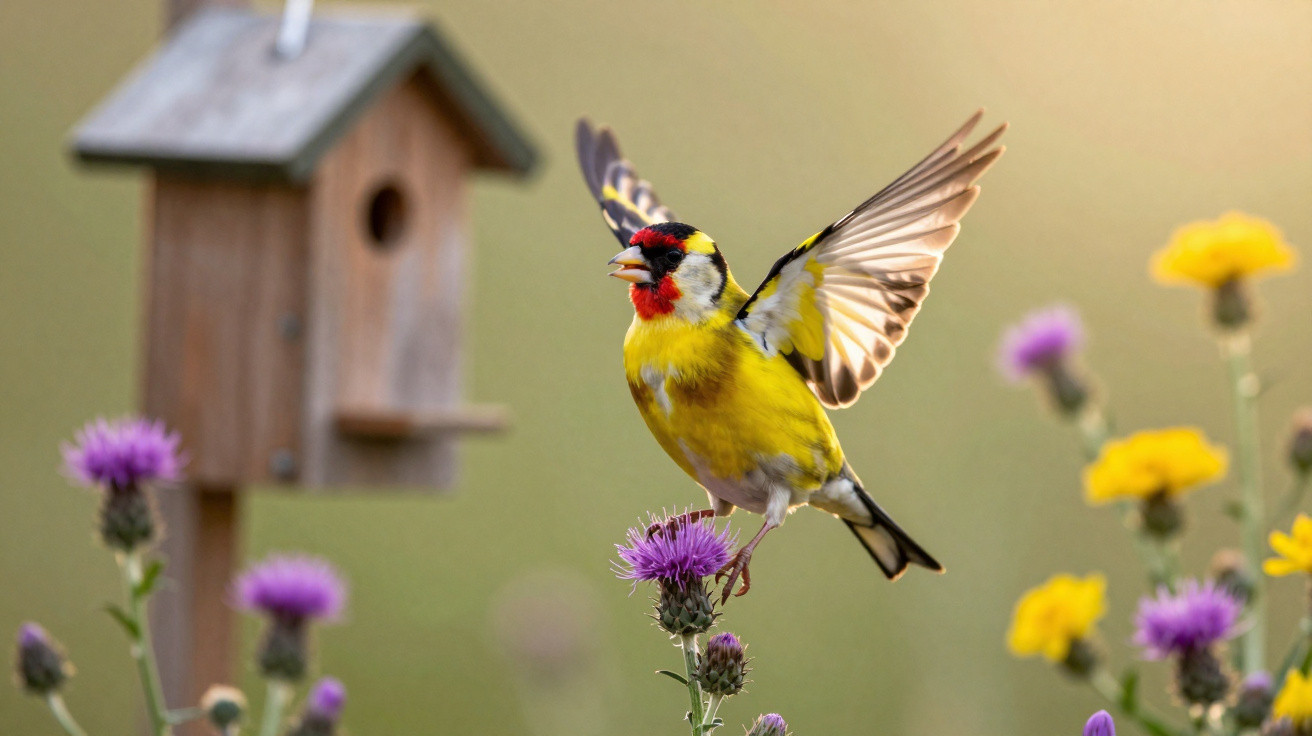
The European goldfinch, better known to many people as the colourful “thistle finch” seen in gardens, fields and urban parks, holds a special title in 2026: Spain’s conservation organisation SEO/BirdLife has named it Bird of the Year. This choice is about more than a pleasant emblem; it is intended to reignite debate about farming, pesticides and greener cities.
A record vote for a familiar yet unassuming bird
SEO/BirdLife has awarded its “Bird of the Year” title since 1988. The public vote also acts as a barometer of public concern, highlighting the species that resonate with people and the issues requiring attention. In 2026, voters could choose between three candidates: the goldfinch, the crested lark and the skylark.
With 6,519 votes and 56.61 per cent, the goldfinch comfortably beat its rivals, from more than 11,000 votes cast.
The crested lark came a distant second, narrowly ahead of the skylark. For SEO/BirdLife, the high turnout sends a clear message: protecting widespread species that people encounter in everyday life is becoming a priority. Few birds represent that point as effectively as the goldfinch.
Common, colourful – and still at risk
At first, the selection may seem unexpected. Across Europe, the goldfinch is formally classified as “not threatened” and appears on bird Red Lists as “near threatened” or of “least concern”. Spain is estimated to support around 14 to 15 million birds, while the species is also widespread in Central Europe.
Even so, ornithologists are raising the alarm, as the threats are developing gradually:
- Illegal trapping: In some areas, people catch goldfinches using traps or nets to sell them as caged birds or keep them privately.
- Intensive pesticide use: Wild plants disappear from orchards, vineyards and cereal fields, along with the seeds on which goldfinches depend.
- Impoverished landscapes: Uniform agricultural land without hedgerows, fallow strips or flowering margins deprives the bird of both nesting sites and food.
Numbers may look stable at first glance, but they remain vulnerable. The species is increasingly unable to recover from smaller declines caused by poor years or local losses when its habitat is being stripped away at the same time.
The goldfinch – a splash of colour among thistles and concrete
The goldfinch is unmistakable in appearance, with its red face mask, black head, yellow wing bar and brown back. Many people hear it before they spot it: its bright, tinkling song forms part of the soundscape in open countryside and built-up areas in many countries.
The goldfinch connects field, village and city like almost no other bird – which is precisely why it is such a fitting symbol of “liveable landscapes”.
It favours semi-open habitats, traditional orchards, pathsides with thistles and teasels, hedgerows and gardens. In Spain, it occurs in almost every region, including on islands. The picture is similar in Central Europe: whether on urban edges, in allotments or across farmland, goldfinches appear wherever wild seeds are available.
Agricultural landscapes in focus
By choosing the goldfinch, SEO/BirdLife is deliberately placing agricultural landscapes at the centre of attention. The bird spends much of its life in arable fields, vineyards, olive groves and extensively grazed pasture. Widespread use of pesticides and herbicides in these places affects it directly.
The organisation is pursuing practical projects to improve these areas, including programmes such as:
- Agroestepas Ibéricas: Protecting steppe and semi-arid habitats with extensively farmed fields.
- The “Campos Vivos” model (living fields): Working with farmers to manage olive groves, vineyards and cereal fields in ways that are closer to nature, using fewer chemicals and adding more features such as hedgerows and flower strips.
The aim is for agriculture and nature conservation to stop being viewed as opposing forces. In the long term, those who work with greater diversity benefit through healthier soils, pollinators and a more appealing product on shop shelves.
Greener towns and cities: what councils and residents can do
The goldfinch is not merely a bird of villages and farmland; it also lives in the heart of towns and cities. It gathers seeds in parks, cemeteries, allotments and brownfield sites, while finding nesting opportunities in trees and shrubs.
When cities mow less and allow more flowers to grow, goldfinches & Co. benefit – as do insects and people.
SEO/BirdLife recommends several straightforward steps that could be adopted by many local councils:
- Mow less: Cutting green spaces less frequently allows wild plants to flower and set seed, keeping the “buffet” stocked for seed-eating birds for longer.
- Create flowering areas with native plants: Special seed mixes containing locally native species provide plentiful food for goldfinches in late summer and autumn.
- Make use of natural brownfield land: Unbuilt plots, roadsides and the edges of sports grounds can become small refuges, with shrubs, wildflowers and features such as deadwood.
This form of urban planning benefits more than birds. Additional greenery improves the microclimate, captures fine particulate matter and creates places of retreat for stressed people.
Legal protection and political challenges
In Spain, the goldfinch currently has special protection in only two regions: Aragón and La Rioja. SEO/BirdLife wants this to change and intends to press for an extension of its protected status. Public-awareness campaigns, educational programmes and political lobbying are intended to demonstrate that prevention costs less than later “emergency protection” once populations have declined severely.
At the same time, the organisation warns against weakening European environmental rules. European Commission plans to relax requirements associated with the “Green Deal” could dilute stricter pesticide limits. This would be a setback for species such as the goldfinch, because fewer toxic chemicals and more ecological farming are among the most important measures for securing its future.
Why pesticides are so critical for seed-eating birds
Initially, pesticides may appear to be a problem for plants rather than birds. For seed-eaters such as the goldfinch, however, chemicals cause harm twice over. First, “weeds” – wild plants producing oil-rich, nutritious seeds – disappear. Then insect populations come under pressure, even though many birds need them when raising their young.
| Impact | Consequence for the goldfinch |
|---|---|
| Herbicides kill wild plants | Fewer seeds in late autumn and less food for winter |
| Insecticides reduce insect numbers | Less protein-rich food for young birds during the breeding season |
| Uniform monocultures | Hardly any nesting places or cover from predators |
Farming systems that support biodiversity, for example through crop rotations, cover crops, hedgerows, field margins and reduced chemical use, instead create a reliable network of food sources and habitats.
What garden owners can do specifically for goldfinches
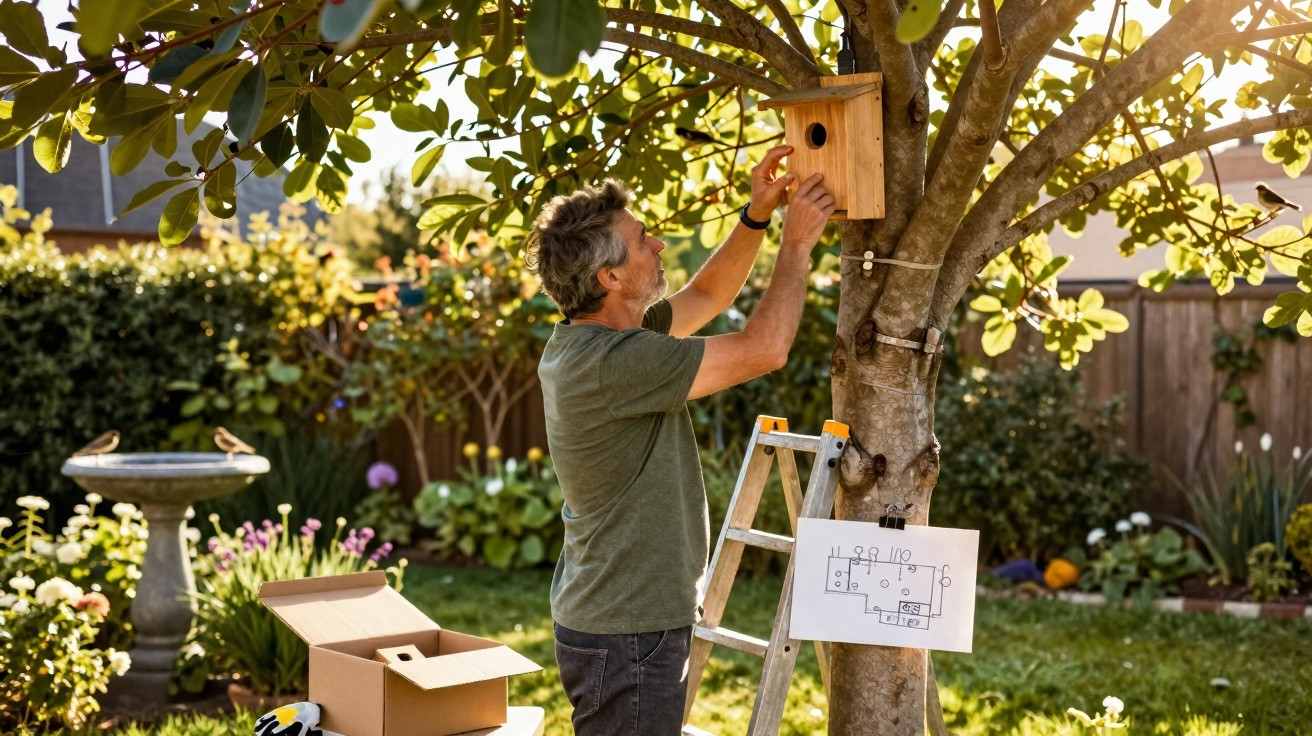
Even people without a hectare of farmland can help the new Bird of the Year. Private gardens and balconies are particularly important in densely built-up areas. Some practical measures include:
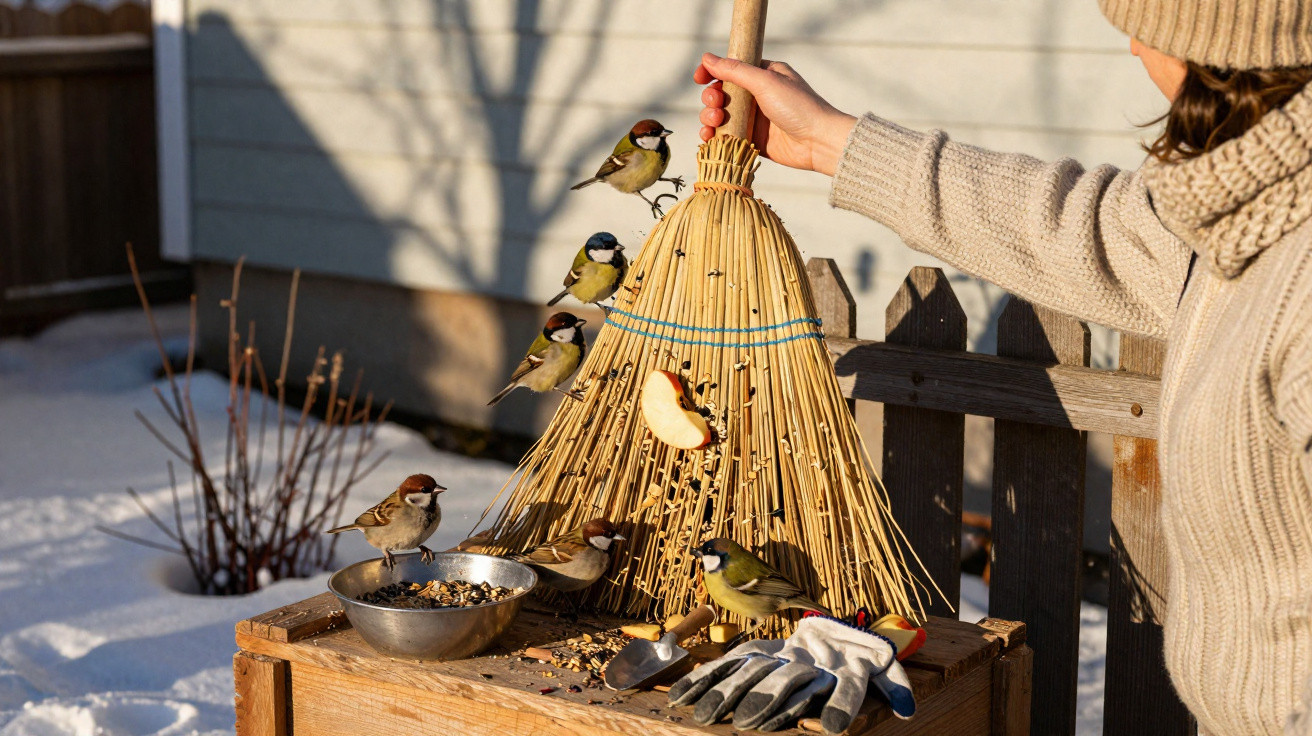
- Tolerate thistles and similar plants: Leaving the garden less “tidy” in autumn means seed heads from thistles, sunflowers and teasels remain standing, creating a feast for goldfinches.
- Garden without poisons: Avoiding insecticides and weedkillers protects natural diversity and, with it, the birds’ food base.
- Plant shrubs: Dense native woody plants such as hawthorn, blackthorn and privet provide cover and nesting sites.
- Provide water: Shallow bowls or small ponds help birds during dry spells, but they should be cleaned regularly.
Even a few square metres of wildlife-friendly garden can make a noticeable difference when linked with neighbouring plots. Every tiny habitat that supplies seeds and shelter matters to the goldfinch.
What terms such as “regenerative agriculture” mean
Terms such as “regenerative agriculture” and “precision farming” are often used in connection with the goldfinch campaign. They refer to very practical approaches: less ploughing, more permanent ground cover, and targeted use of fertilisers and plant-protection products only where they are genuinely needed. This protects soils and reduces toxic substances across the landscape.
For birds such as the goldfinch, this produces a mosaic of open areas, flower strips, hedgerows and uncultivated corners that offers food and refuge throughout the year. Farmers benefit from more resilient soils, lower spending on inputs and an image that appeals to consumers.
The “Bird of the Year 2026” title therefore makes the goldfinch an ambassador for agricultural and urban design that embraces greater diversity. Anyone watching one in their local area is seeing not only an attractive songbird, but also an indicator of how alive that environment remains.







Comments
No comments yet. Be the first to comment!
Leave a Comment