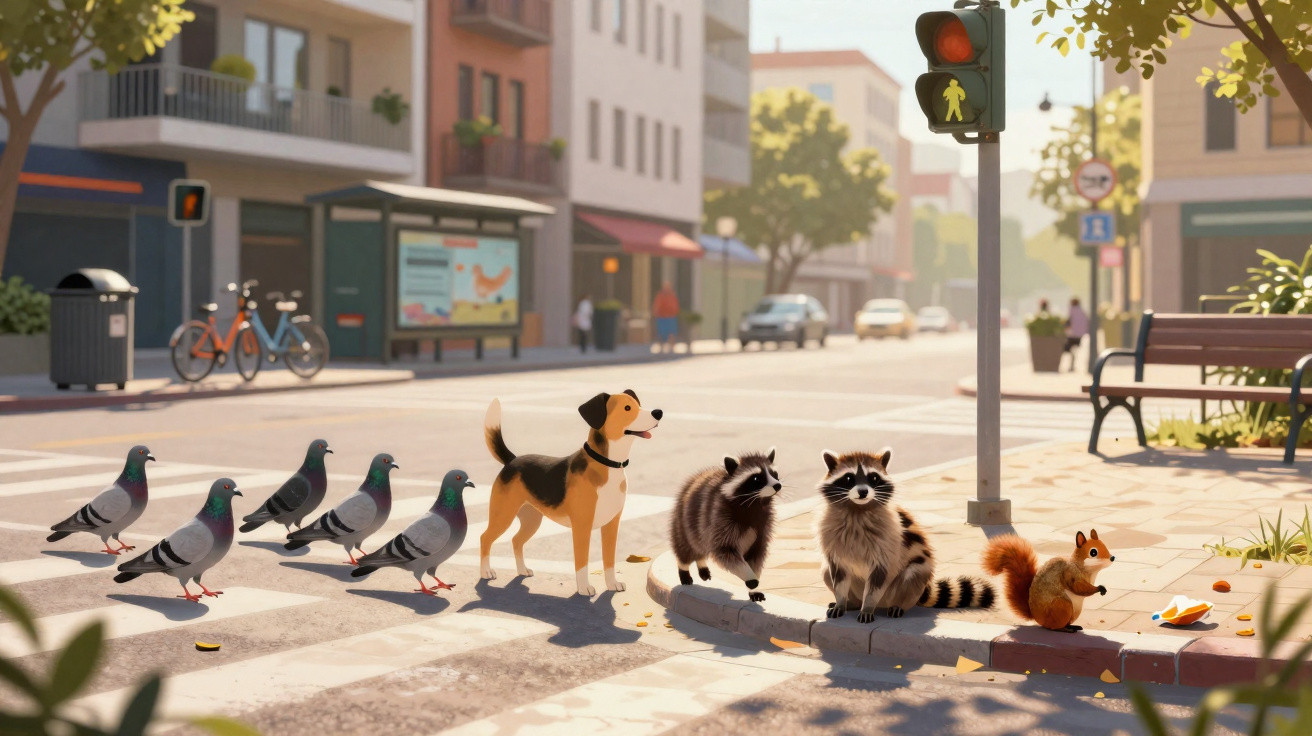
New Delhi's urban monkeys can be so daring that they will snatch lunch straight from your plate.
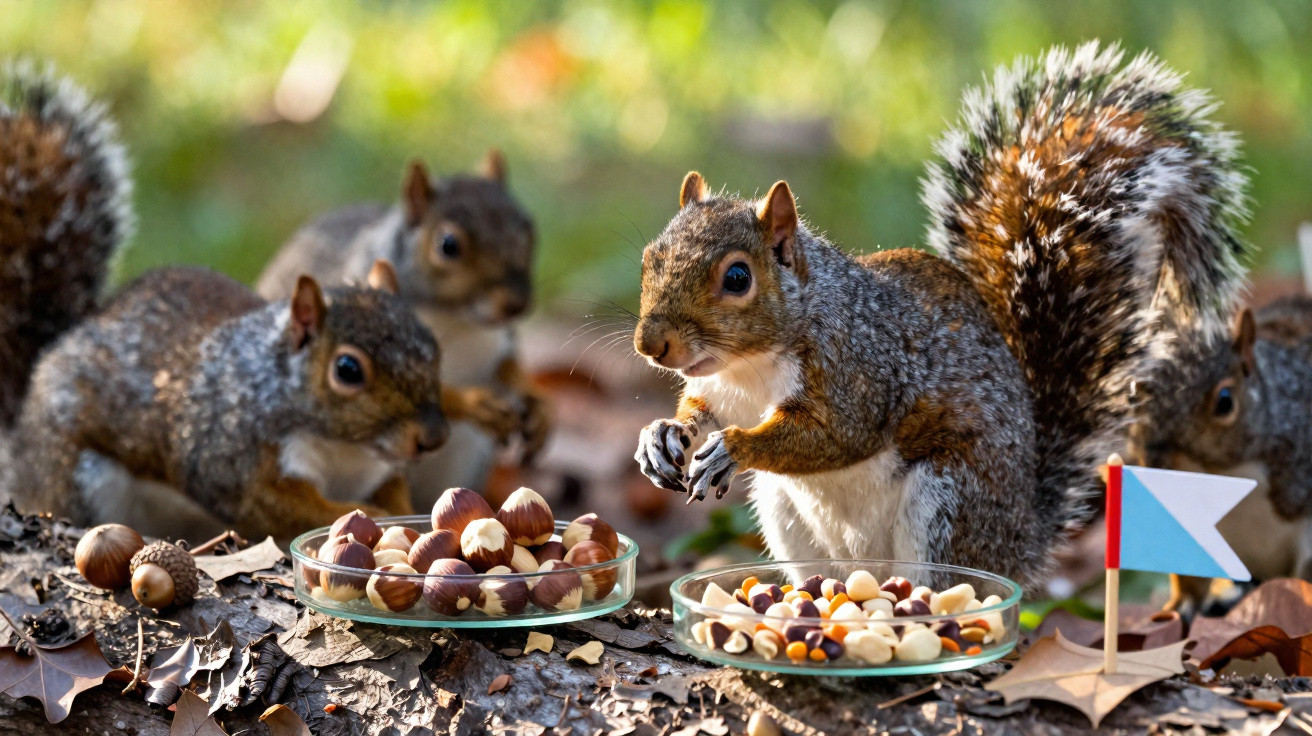
Anyone who has spent time in New York has probably seen squirrels attempting a similar trick. In Sydney, white ibises have earned the nickname "bin chickens" by pilfering rubbish and sandwiches.
Such bold behaviour is unusual for most species in the countryside, but it is common among urban wildlife, and not only in these cities.
Research shows that animals living in cities around the world display similar sets of behaviours. At the same time, they are losing traits they would need to survive in the wild.
The process by which urban animals' behaviours become more alike is called "behavioural homogenisation". It occurs alongside the loss of species diversity associated with urbanisation.
We study animals in urban environments to understand how people can help wildlife flourish in an increasingly urbanised world.
In a new study, we investigate what causes these behavioural changes and their long-term consequences for urban wildlife.
What makes urban wildlife behave similarly?
Despite local differences, cities across the globe have many features in common. They are warmer than the surrounding countryside, noisy, affected by light pollution and, above all, dominated by people.
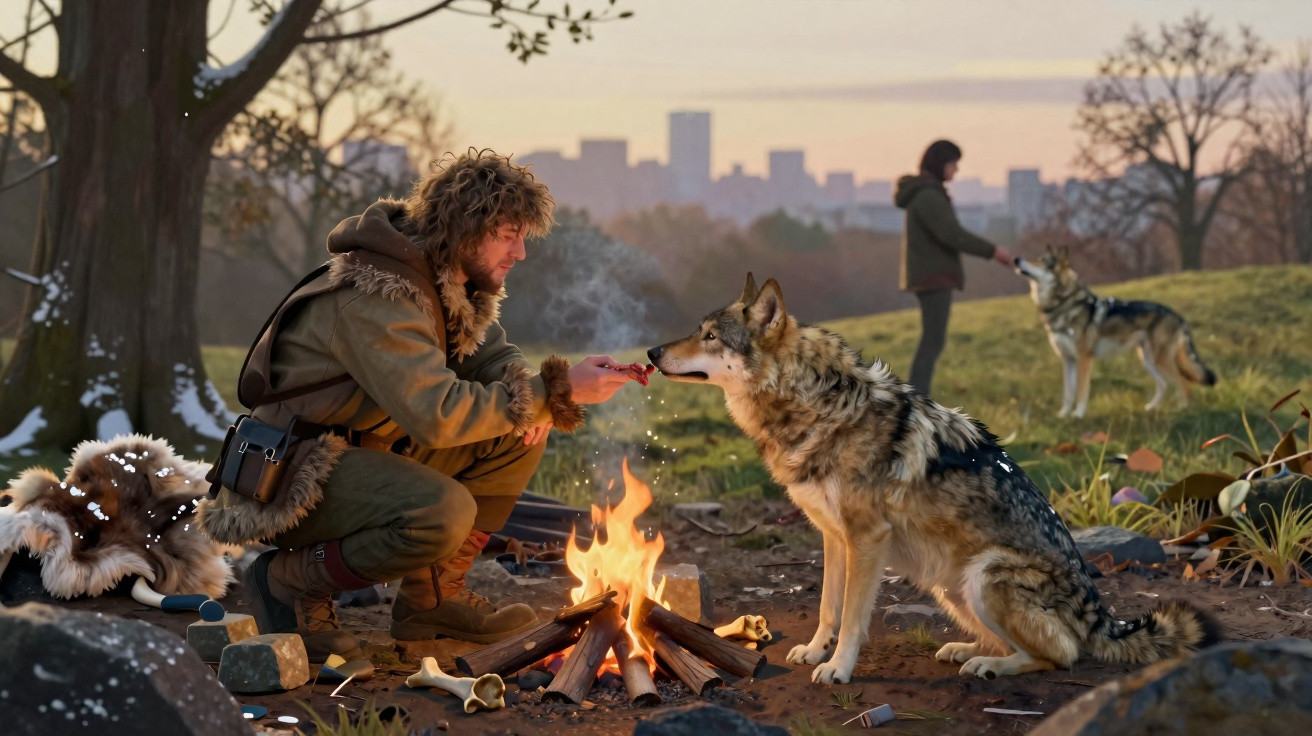
New York's squirrels, New Delhi's monkeys, gulls in coastal UK cities and other urban animals have learnt that humans can provide food. Since people generally do not harm them, animals living in cities also learn not to be afraid of humans.
Cities drive evolution, too. People and the changes we have made to urban environments have favoured the survival of bolder animals, which then pass their traits on to later generations. In genetics, scientists describe this as the environment "selecting" for those traits.
City wildlife is not just more likely to steal sandwiches: urban birds also sound increasingly alike.
Why? Cities are loud and full of traffic noise, so birds that can communicate effectively in those conditions are more likely to survive and pass on their traits.
Urban birds may, for example, sing more loudly, begin singing earlier in the morning or use higher frequencies so that low-frequency traffic noise does not drown them out.
Cities select for clever individuals and species because intelligence helps them survive there.
How urban wildlife learns and adapts
Animals in cities may behave alike because they learn from one another how to exploit new sources of food provided by humans. Sydney's cockatoos, for example, have learnt to open rubbish bins. In Toronto, raccoons are competing to outsmart people as urban wildlife managers try to create animal-proof bins.
City buildings and bridges provide homes for bats, birds and other urban inhabitants, but at the expense of learning to use more natural nesting sites. Roads and culverts change where and how animals move.
Whereas rural animals may forage in many different places and eat a wide range of foods, urban animals may focus on rubbish bins or dumps where they know food is available, leaving them with a potentially unhealthy diet.
Consequences of similar behaviours
Behavioural diversity is being lost wherever humans expand their footprint on nature. This is concerning for several reasons.
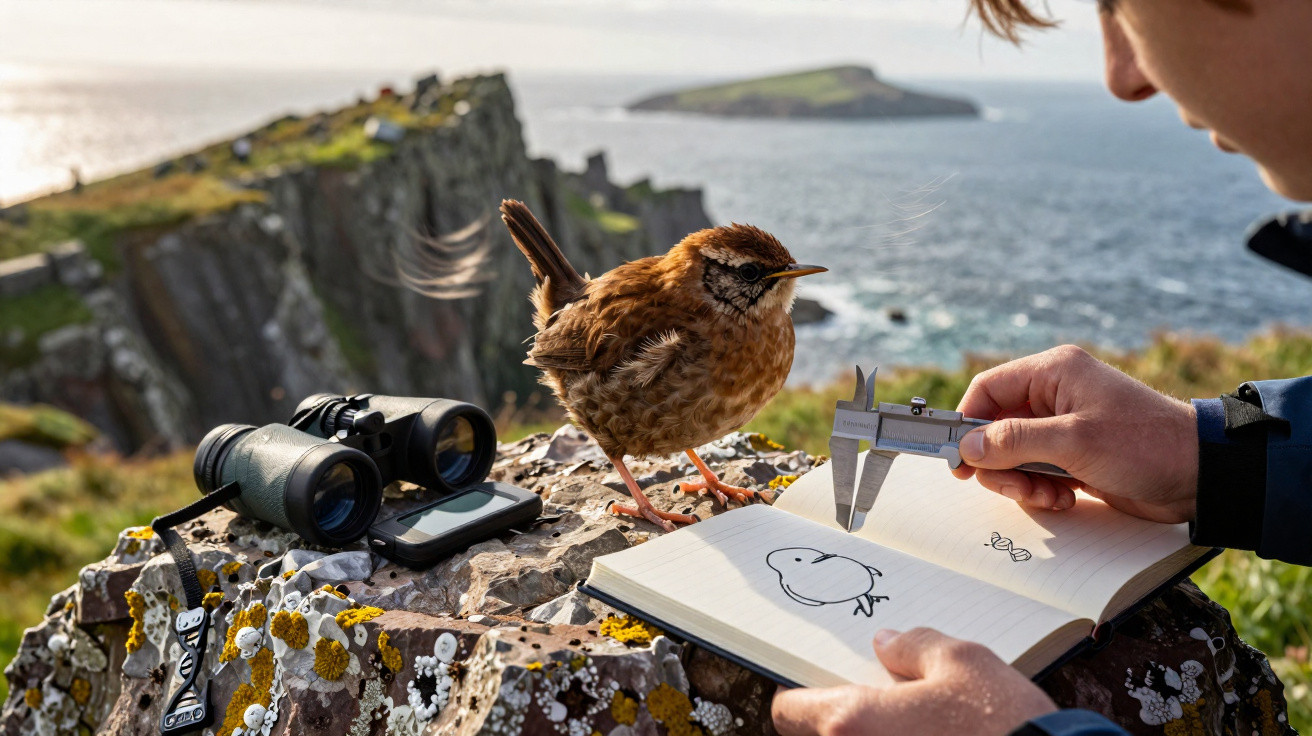
Within a population, differences in behaviour may reflect genetic variation. Such variation enables species to respond to future environmental changes. For animals that have evolved to breed at a particular time of year, for example, urban heat islands can select for earlier breeding.
When genetic variation is reduced, populations become less able to respond to changes in the future. In that respect, genetic variation is like a diversified investment portfolio: spreading risk across different shares and bonds reduces the chance that one shock will wipe out everything.
As animals become tamer, new conflicts with humans may also arise. These can include more road collisions, animal bites, damage to property and transmission of zoonotic diseases. Such conflicts cost money and can harm both people and animals.
Behavioural diversity and wildlife conservation
The loss of behavioural diversity is also a concern for conservation.
A species that loses behavioural diversity becomes less resilient to future environmental change in the wild, making it more difficult to reintroduce urban animals into wild habitats.
This loss also threatens to erase behaviours learnt socially and specific to particular populations, including local migration routes, foraging methods, traditions of tool use and vocal dialects.
Australia's regent honeyeater populations, for example, have been declining and are critically endangered. With fewer members of their own species around, the birds' isolation has disrupted normal song-learning behaviour. This makes it harder for males to sing the attractive songs that help them find mates and breed successfully.
Ultimately, behavioural homogenisation is causing wildlife in cities such as Los Angeles, Lima, Lagos and Lahore to behave similarly, despite their different environments and evolutionary histories.
Many of these behaviours affect survival and reproduction. Understanding this loss of diversity is therefore important both for effective wildlife conservation and for future urban planning.
Daniel T. Blumstein, Professor of Ecology and Evolutionary Biology, Institute of the Environment and Sustainability, University of California, Los Angeles; Peter Mikula, Postdoctoral Researcher at the Faculty of Environmental Sciences; and Piotr Tryjanowski, Professor of Zoology.
This article is republished from The Conversation under a Creative Commons licence. Read the original article.




Comments
No comments yet. Be the first to comment!
Leave a Comment