
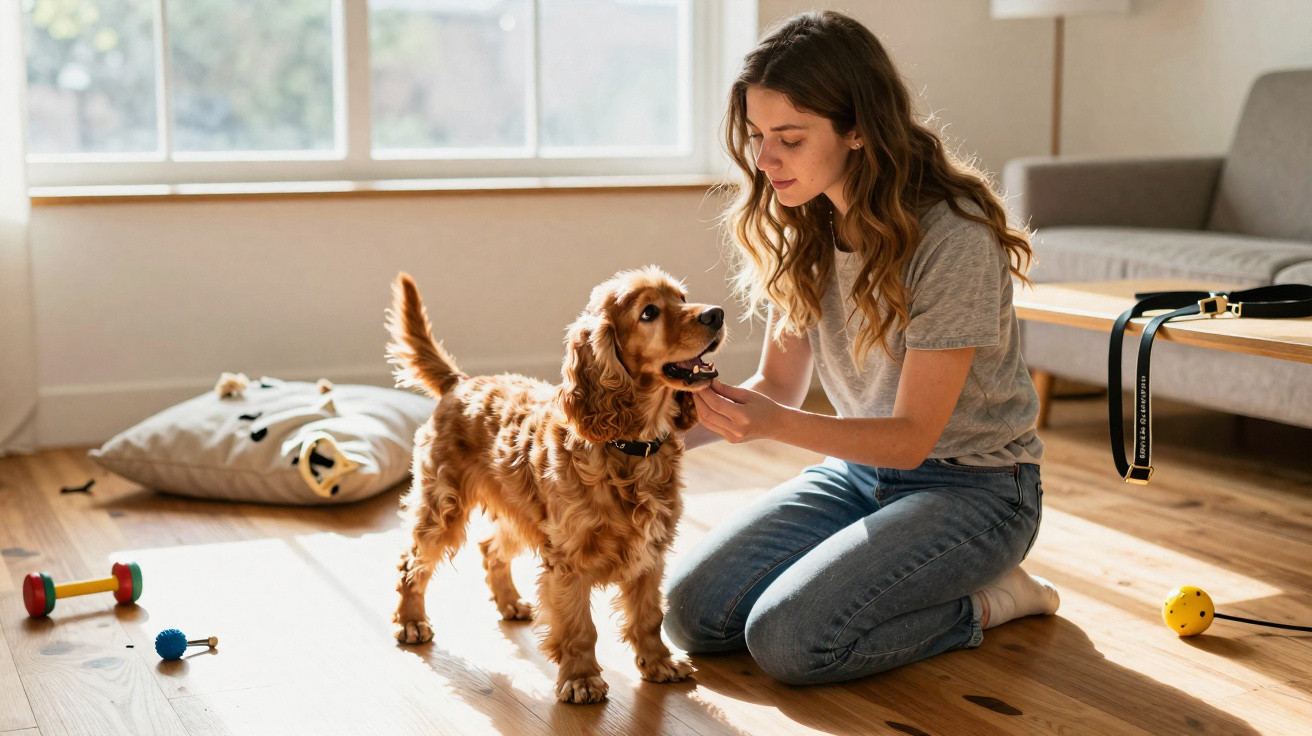
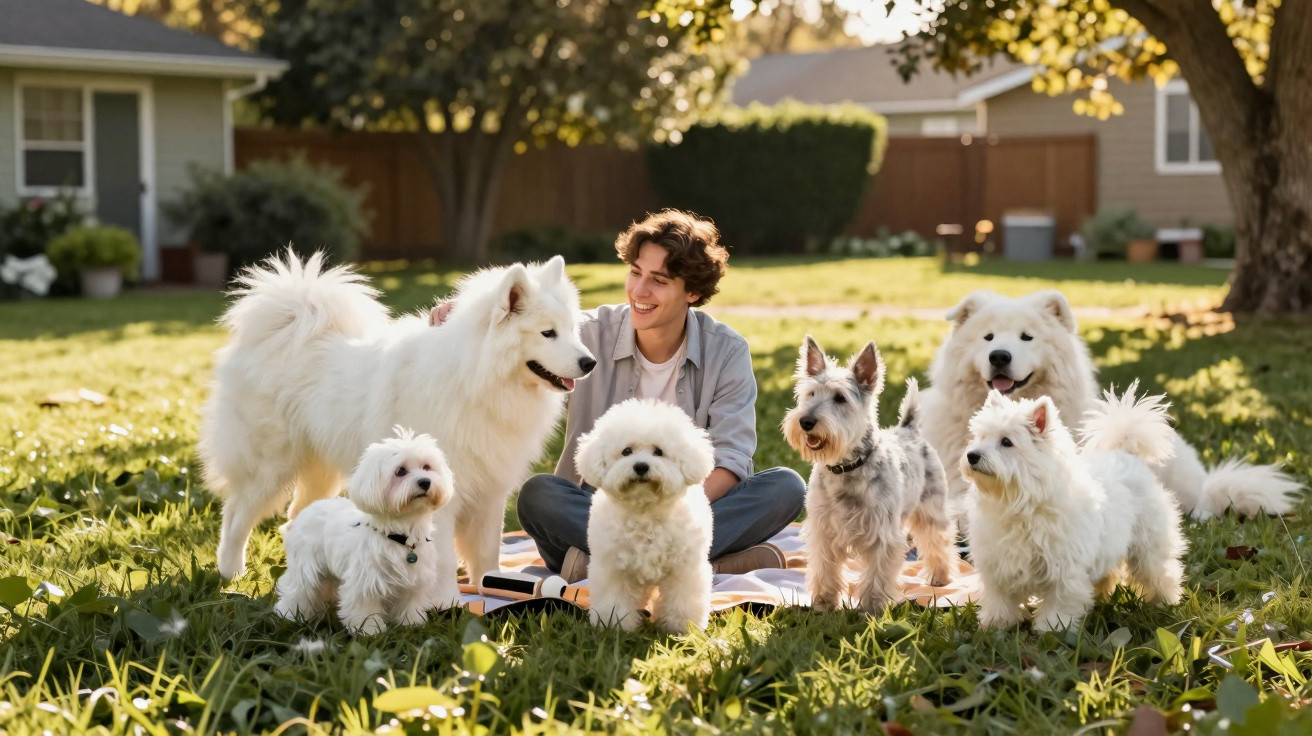
Your dog may cock its head when you cry, pace about when you feel stressed and turn up beside you at your lowest moments. Is it coincidence? Far from it.
Thousands of years of co-evolution have equipped dogs with distinctive ways of responding to our voices, faces and even brain chemistry. From brain areas dedicated to processing speech to the surge of oxytocin, or the "love hormone", that occurs when we meet their gaze, dogs' minds are wired to detect our feelings.
Evidence of this remarkable emotional intelligence starts in the brain itself.
How dogs' brains process human emotions
Like humans, dogs have specialised brain areas that are sensitive to voices. In one brain imaging study, researchers found voice-processing regions in dogs' temporal cortex that became active in response to vocal sounds.
It is not just sound itself that dogs respond to: they also pick up on the emotional tone of your voice. Brain scans show that emotionally charged sounds, such as laughter, crying or an angry shout, activate both the auditory cortex and the amygdala, a region involved in processing emotions.
Dogs are adept at reading faces, too. Their brain activity increases when they are shown pictures of human faces.
One study found that a familiar human face activates a dog's reward and emotional centres. In other words, your dog's brain is processing your expressions, perhaps through feelings rather than words.
Dogs can do more than notice your emotions; they can "catch" them as well. Researchers describe this as emotional contagion, a basic form of empathy in which one individual mirrors another's emotional state. A 2019 study found that some dog-human pairs displayed synchronised cardiac patterns during stressful periods, with their heartbeats mirroring one another.
This emotional contagion does not depend on complex reasoning. It is more like an automatic empathy that develops through a close bond. A dog's empathetic yawns or whines are probably the result of learned associations and emotional attunement, rather than literal mind-mirroring.
The oxytocin effect
Perhaps the most striking discovery about the bond between dogs and humans is the chemical connection they share. Gentle eye contact produces a surge of oxytocin in both, a substance often called the "love hormone".
In one study, owners who exchanged long gazes with their dogs had significantly higher oxytocin levels afterwards. Their dogs' levels rose significantly, too.
The resulting oxytocin feedback loop strengthens their bond, much as eye contact does between a parent and infant. Remarkably, this effect is unique to domesticated dogs: wolves raised by hand did not respond to human eye contact in the same way.
As domestication progressed, dogs evolved this oxytocin loop between species, helping to bind them emotionally to their humans. The soulful look your pup gives you is creating a chemical bond between you both.
How dogs read human emotions through their senses
Eye contact is only part of the picture. Dogs are also surprisingly good at interpreting human body language and facial expressions. Experiments have shown that pet dogs can tell a smiling face from an angry one, even in photographs.
When processing emotional cues, dogs show a subtle bias towards the right hemisphere of the brain. They tend to look towards the left side of a human face when judging an expression, a pattern that is also found in humans and primates.
Dogs draw on several senses to work out how you feel. A cheerful, high-pitched "Good boy!" accompanied by a relaxed posture conveys a very different message from a stern shout and rigid body language.
They can even detect emotions by smell.
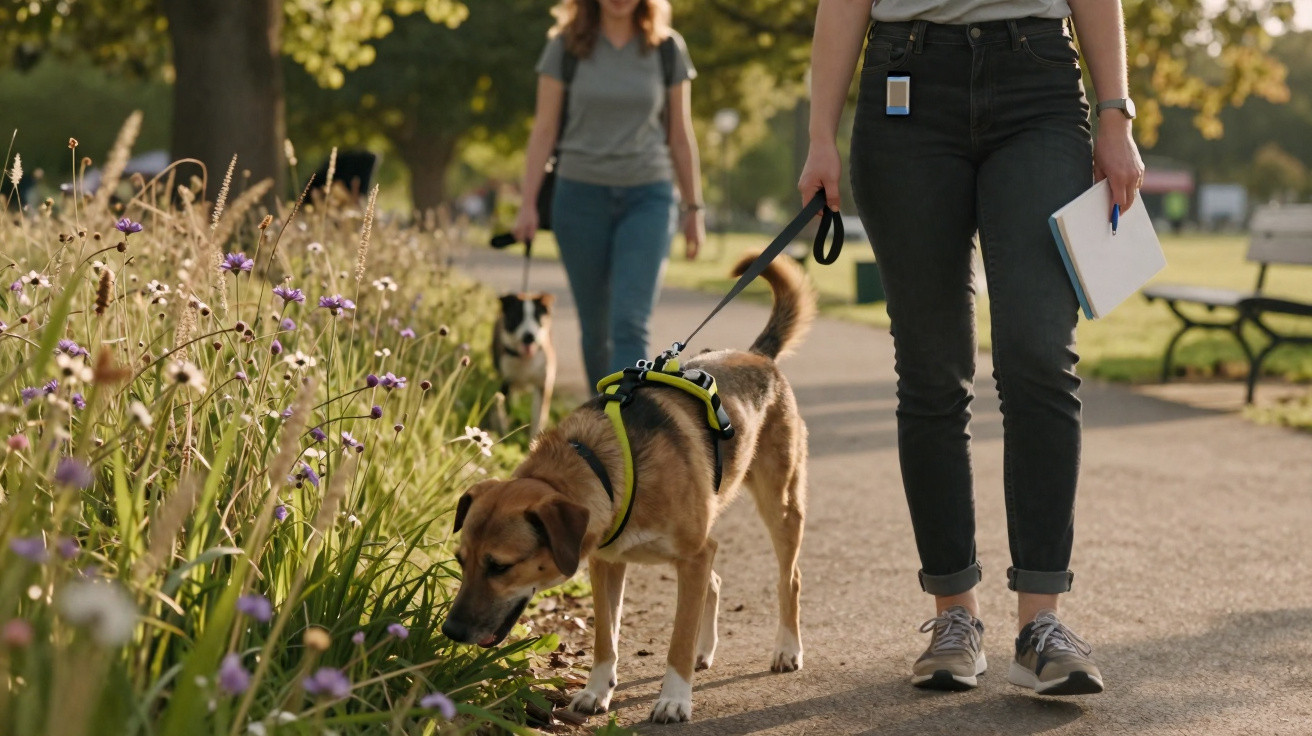
In a 2018 study, dogs exposed to sweat from frightened people showed more stress than those who smelled "happy" sweat. In effect, your anxiety has an unpleasant smell for your dog, while your relaxed happiness can help them feel at ease.
Bred for friendship
How did dogs become so finely attuned to human emotions? The explanation lies in their evolutionary history alongside us. Although dogs have smaller brains than their wild wolf ancestors, domestication may have rewired their brains in ways that improved their social and emotional intelligence.
A Russian fox domestication experiment offers some clues. Foxes bred to be tame developed more grey matter in brain regions associated with emotion and reward.
The findings challenge the idea that domestication makes animals less intelligent. Rather, breeding for friendliness and sociability can strengthen the brain pathways that enable animals to form bonds.
In dogs, thousands of years as human companions have refined the brain pathways used to interpret our social signals. A dog's brain may be smaller than a wolf's, but it may also be uniquely suited to loving and understanding humans.
Dogs probably do not consider why you are upset or recognise that you have separate thoughts and intentions. What they are exceptionally good at is noticing what you project and responding to it.
Dogs may therefore be unable to read our minds, but their ability to read our behaviour and feelings allows them to connect with us emotionally in a way few other animals can. In a busy modern world, this empathy across species is not merely endearing: it has evolutionary and social significance, reminding us that the language of friendship can reach beyond words.
Laura Elin Pigott, Senior Lecturer in Neurosciences and Neurorehabilitation, Course Leader in the College of Health and Life Sciences, London South Bank University
This article is republished from The Conversation under a Creative Commons licence. Read the original article.








Comments
No comments yet. Be the first to comment!
Leave a Comment