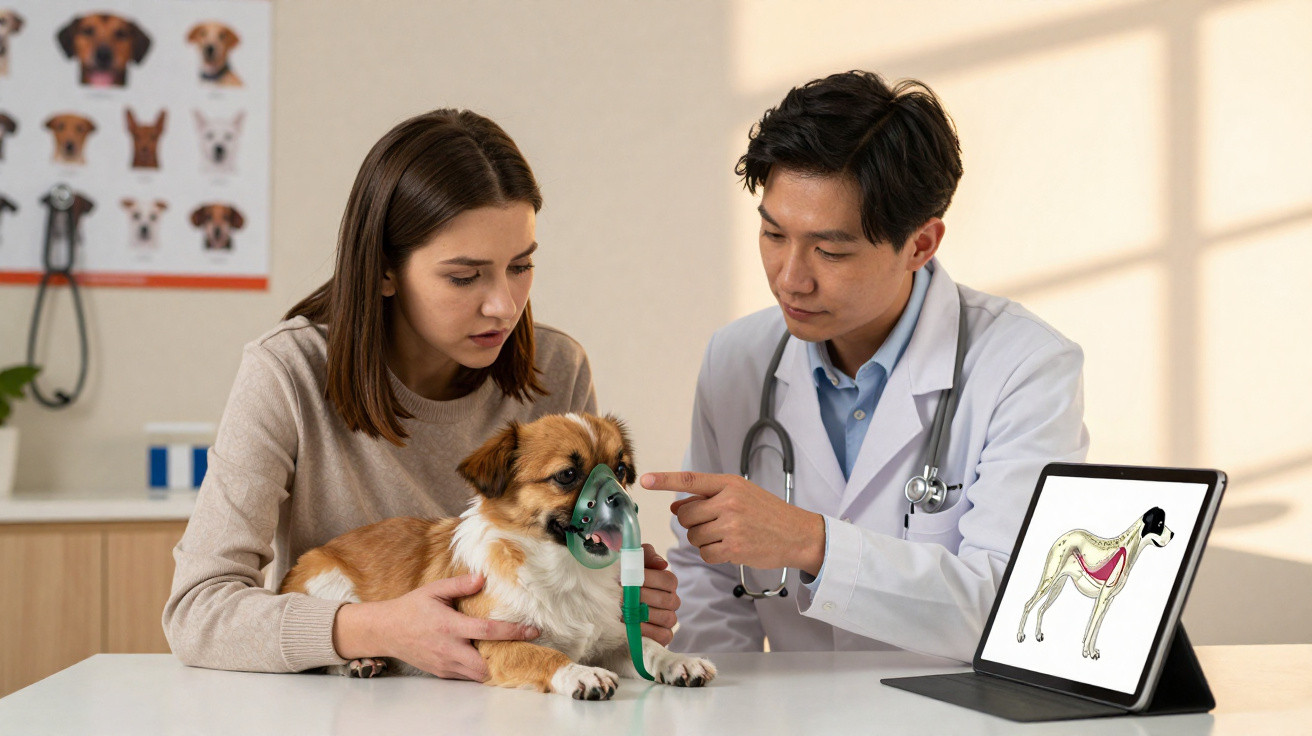
Flat-faced dogs have become synonymous with breathing difficulties, although the spotlight has largely fallen on a few well-known breeds. A new study suggests the issue is more widespread, including in some unexpected breeds.
Two less familiar breeds have emerged among those most severely affected by chronic airway obstruction. The finding broadens the list of dogs at high risk and challenges the idea that breathing problems are confined to the most popular flat-faced breeds.
Pekingese and Japanese Chin struggle most
Almost 900 volunteer dogs took part in breathing assessments and brief exercise tests, revealing substantial differences in risk between breeds.
Dr Francesca Tomlinson of the University of Cambridge found that just 10.9% of Pekingese and 17.4% of Japanese Chin completed the tests without signs of airway compromise.
Those figures put both breeds alongside Bulldogs for severity, even though their respiratory health has received far less public attention.
Other flat-faced breeds had much higher rates of normal breathing, indicating that risk is concentrated in particular lineages rather than shared equally by all short-muzzled dogs.
Grading canine breathing problems
Veterinary professionals call the condition Brachycephalic Obstructive Airway Syndrome (BOAS). It is a long-term obstruction of the airways that makes dogs work harder to breathe.
In a shortened skull, soft tissues still develop to their normal size, crowding the airway and restricting airflow.
This resistance is particularly dangerous when a dog pants to cool down. The additional effort can cause body temperature to rise more quickly during exercise, excitement or stress.
Severe BOAS can shorten walks, disturb sleep and sometimes lead owners to seek surgery to widen narrowed air passages.
Listening for breathing distress
Rather than judging dogs by facial appearance, the researchers assessed breathing function to establish how much difficulty each animal was experiencing.
At each appointment, staff listened for airway noise while the dog was resting and again after a three-minute trot.
A score of zero indicated quiet breathing, even after exercise. Grade three described dogs that struggled to breathe once they started moving.
Between those extremes, mild cases produced sounds that could only be detected with a stethoscope, while moderate cases were audibly noisy without equipment.
By assessing airflow during light exertion, the test identified genuine breathing distress, including in dogs that appeared healthy from the outside.
Traits that raised risk
Across breeds, dogs with worse scores repeatedly showed three features: extra weight, narrowed nostrils and shorter muzzles. Narrow nostrils can fold inwards when a dog breathes, reducing the space available for air to enter the nose.
The researchers also measured facial extremity using the craniofacial ratio: muzzle length divided by skull length.
Even with these indicators, many dogs did not fit the predictions, meaning owners could not assess risk by appearance alone.
Breathing risk beyond appearance
The results surprised the team because some breeds with the flattest-looking faces did not always receive the worst scores.
Among Cavalier King Charles Spaniels, 40% completed the test without signs of BOAS, despite having very short muzzles.
A model combining weight, nostril shape and craniofacial ratio explained only 20% of the variation in breathing status.
That leaves scope for internal anatomy and genetics to play a part, making a simple breathing test the safest way to screen dogs.
Breed-specific warning signs
In some breeds, physical features beyond the face were also associated with breathing difficulties, suggesting different breeds have different vulnerabilities.
For Staffordshire Bull Terriers and Shih Tzus, shorter tails were linked with higher risk, while longer tails reduced the odds by about 30%.
Affected Staffordshire Bull Terriers had tails that were, on average, about 1.5 cm shorter, while thicker necks predicted problems in Boston Terriers.
Because these patterns varied between breeds, the study argued for separate checklists instead of a single universal rule.
What owners and breeders can do
For owners, small decisions can make a meaningful difference. Before buying a flat-faced puppy, watching it breathe at rest and during a short walk may reveal early warning signs.
At a veterinary appointment, clinicians can grade its breathing and recommend weight loss, surgery or changes to its lifestyle to improve comfort.
Restricting strenuous exercise on warm days is essential because BOAS limits airflow and can quickly raise body temperature. Calm routines and careful monitoring can help, but the study’s central message was straightforward: dogs should never have to struggle for air.
Extreme facial features
Lasting change depends on which traits are rewarded in breeding. Dog show judges often favour extreme facial features that increase risk, influencing future litters.
When champions have narrow nostrils or exceptionally short muzzles, breeders may try to reproduce that appearance. Breathing grades offer an alternative: dogs with good airflow scores can provide healthier models for the show ring.
Over time, selecting dogs for open nostrils and better function rather than exaggerated features could lower BOAS risk without waiting for a single-gene solution.
Breeding choices shape the future
The researchers warn that the study has limitations. Recruiting volunteers probably skewed the sample, as owners already concerned about their dogs’ breathing may have been more inclined to take part.
The comparison data also came from 2016 and may not accurately reflect today’s most popular breeds, particularly if recent breeding decisions have improved airflow in some lines.
Nevertheless, the broader message remains clear: because BOAS is hereditary, careful breeding choices are essential to long-term progress.
Future welfare improvements will probably depend on routine breathing assessments, better show standards and owners no longer accepting chronic snorting or laboured breathing as “just how the breed sounds.”














Comments
No comments yet. Be the first to comment!
Leave a Comment