In a cold Romanian street, a tiny puppy once curled up alone, unnoticed by pedestrians and facing a silent struggle to stay alive.
That puppy is now called Americana. Safe in France, she is waiting for a family prepared to transform her future with warmth, patience and a genuine home.
From unseen stray to hopeful puppy
Americana is just four months old. She has a slight, delicate build and the look of a dog who has experienced far too much already. Rescuers discovered her alone in Romania, where thousands of dogs endure life on the streets with scarce food, no shelter and very little human compassion.
The French rescue association Sans Colliers says she was one of the puppies people simply walk past. She was far too young to cope outdoors for long, with no defence against the cold and the relentless hunt for scraps.
Saving Americana means offering her something she has never truly had: an actual childhood, full of safety, play and gentle routines.
Her circumstances changed when volunteers stepped in, took her off the streets and organised her move to France. She now lives in Gonesse, near Paris, with foster carers while she waits for a permanent family.
Who is Americana?
Rescuers say Americana is a classic “baby dog”: awkward, inquisitive and keen to discover where she belongs. As an adult, she is expected to weigh approximately 12 kg, making her a small-to-medium-sized dog who should be straightforward to accommodate in most houses and flats.
- Name: Americana
- Age: 4 months
- Expected adult weight: about 12 kg
- Current location: Gonesse (95500), France
- Rescue association: Sans Colliers
In spite of her difficult beginning, Americana is said to be sociable and receptive. She lives alongside other dogs and is familiar with cats, indicating that she may settle well in a home with several pets. Her carers report that she likes meeting unfamiliar people and has a gentle desire to please.
Americana is not a “broken” dog. She is a beginner - at home life, at trust, at play - and she just needs a guide.
Americana learns family-life essentials
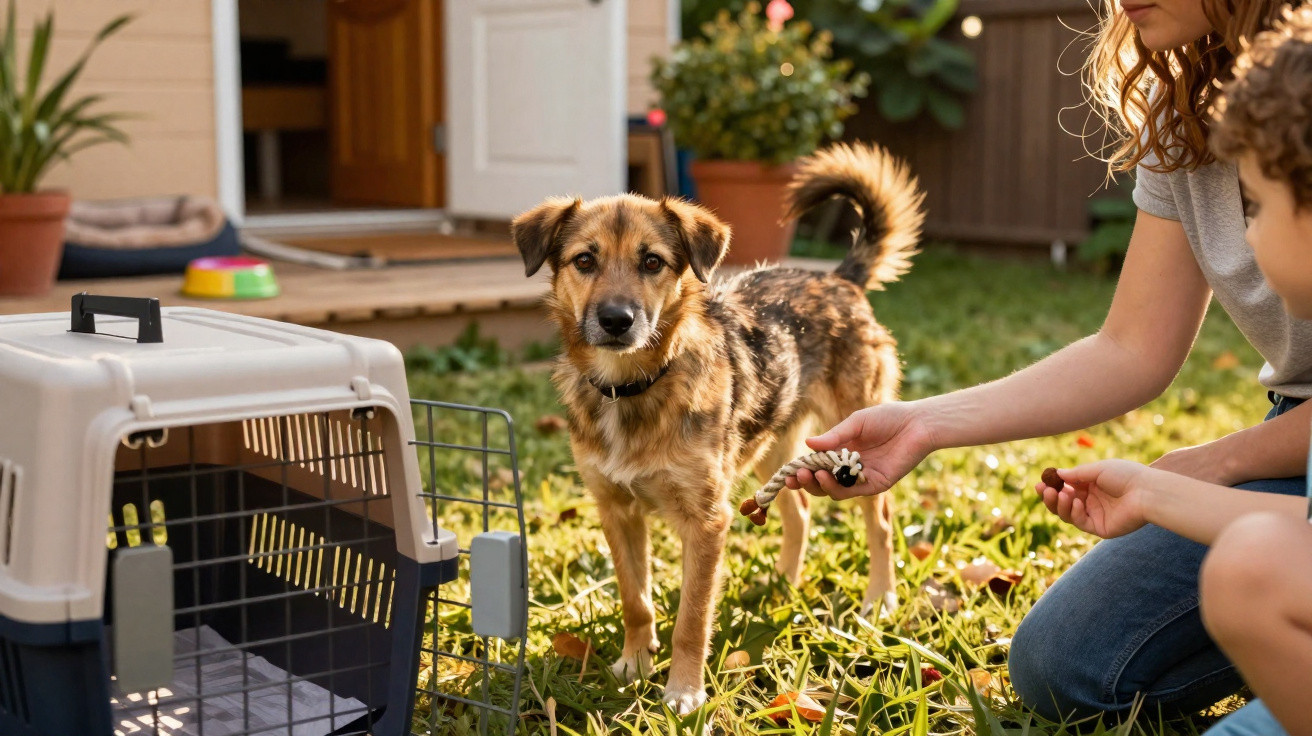
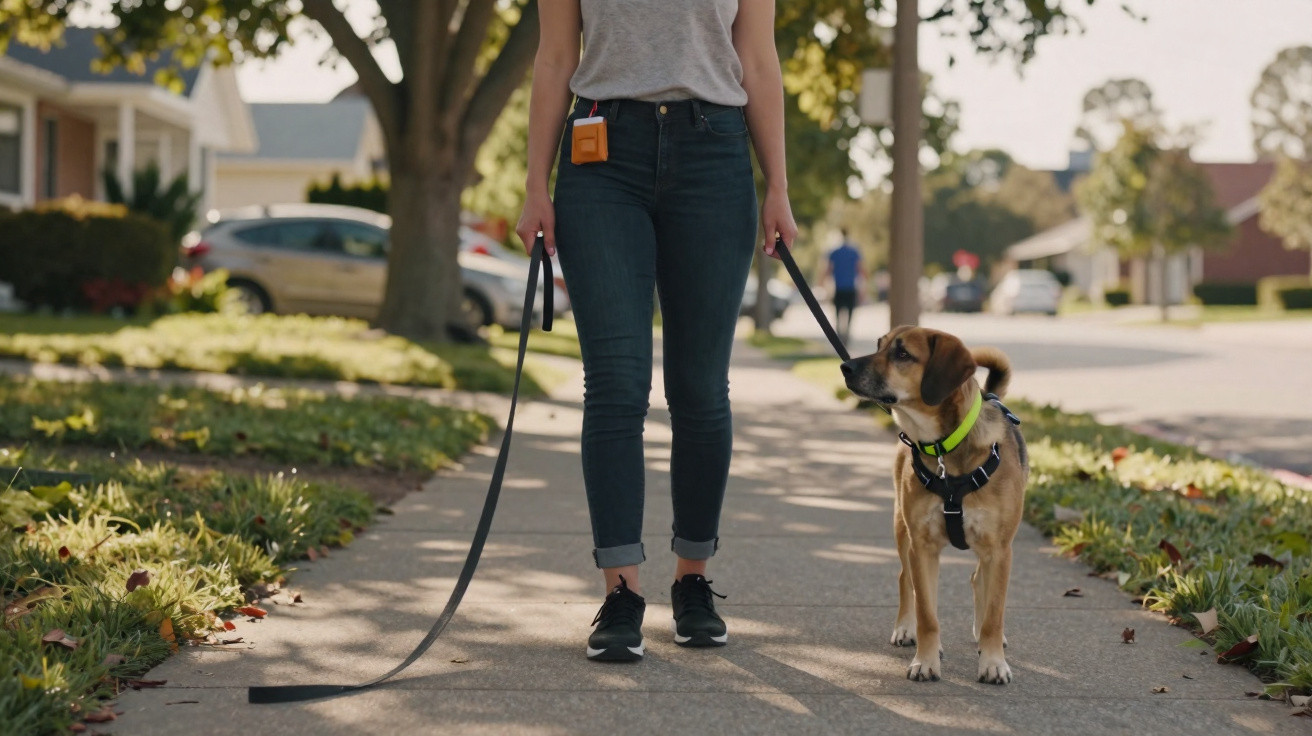
For Americana, all the things that seem routine to a puppy raised in a home are unfamiliar. Toilet training, lead walking, travelling in a car and waiting quietly for food are all lessons she is only beginning to learn.
Her rescuers call her “enthusiastic and a little clumsy”, much like many young puppies trying to absorb a great deal in a short period. Each small achievement - sleeping all night or signalling that she needs to go outside - is treated as an important step in her new life.
Her eventual adopters will need to carry on this learning. They will need patience when accidents happen, calm guidance rather than shouting, and dependable routines. In exchange, they may find themselves with a strongly bonded, devoted companion who knows who offered her a second chance.
The difficult reality for Romanian street dogs
Americana’s story is, sadly, common among dogs born on Romania’s streets or abandoned there. Dog overpopulation, limited neutering programmes and a longstanding stray population have left shelters and municipal kennels overwhelmed. Many animals survive around rubbish sites or beside busy roads.
| Challenge | Impact on puppies like Americana |
|---|---|
| Cold winters and heatwaves | Risk of hypothermia or dehydration, especially in young or small dogs |
| Lack of food and clean water | Stunted growth, weakened immune system and constant hunger |
| Traffic and human indifference | High risk of injury and little chance of rescue |
| Overcrowded shelters | Limited space, stress and fewer adoption opportunities locally |
French associations, alongside other European organisations, work with Romanian rescuers to move some dogs to safer homes abroad. Every rescue adoption creates room for another animal to be taken from the streets or an unsafe pound.
When a family chooses a dog like Americana, they are not just changing one life; they are easing pressure on an entire, overloaded system of rescue.
What type of home does Americana need?
Americana is still developing her character, meaning that the home which takes her in will play a major part in the adult dog she becomes. Rescue workers are not demanding “perfect” owners; they want people who can offer time, care and commitment.
What her future family should provide
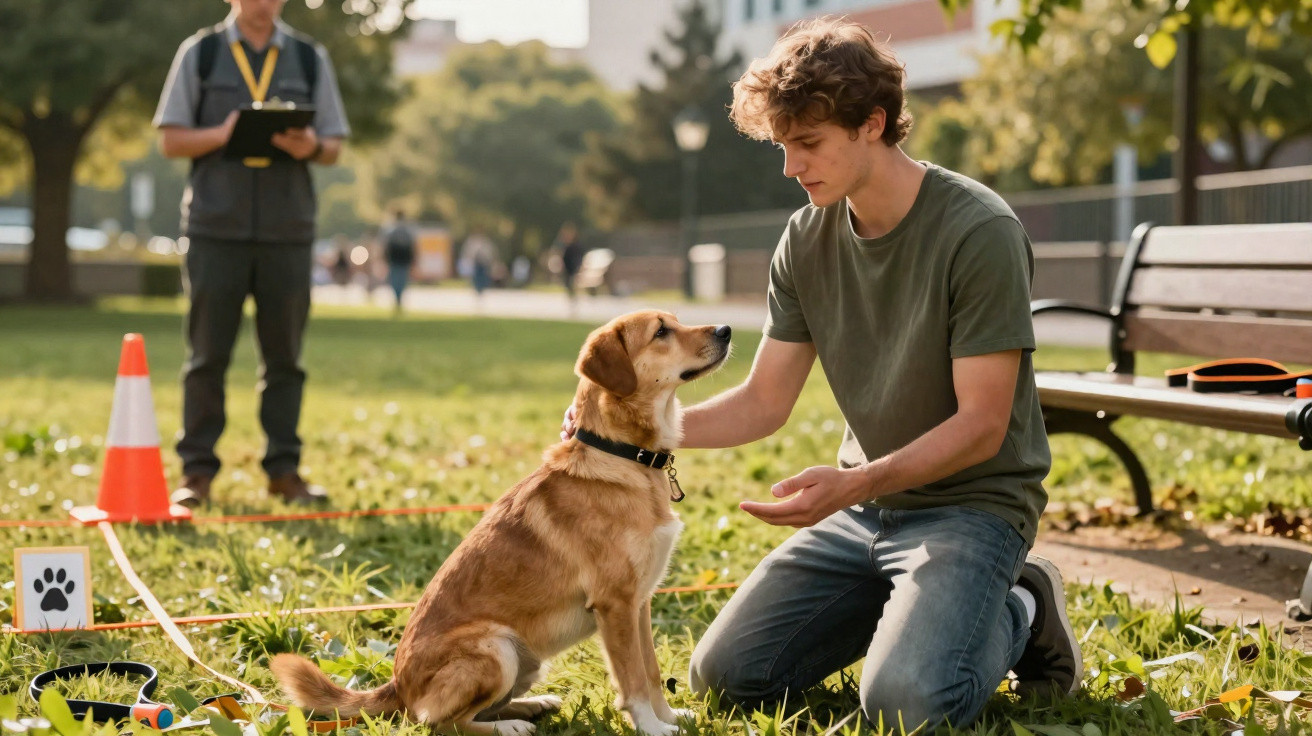
- Patience with training: She will require clear, gentle teaching to understand toilet habits, basic commands and household boundaries.
- Stable routine: Set mealtimes, predictable walks and peaceful periods of rest can help anxious puppies feel settled.
- Gentle socialisation: Ongoing positive experiences with people, dogs and everyday sounds can stop fears from developing.
- Safe space: A comfortable bed or crate where she can withdraw if she feels tired or overwhelmed.
- Moderate activity: Brief playtimes and walks that suit her developing joints, rather than lengthy runs or demanding sports straight away.
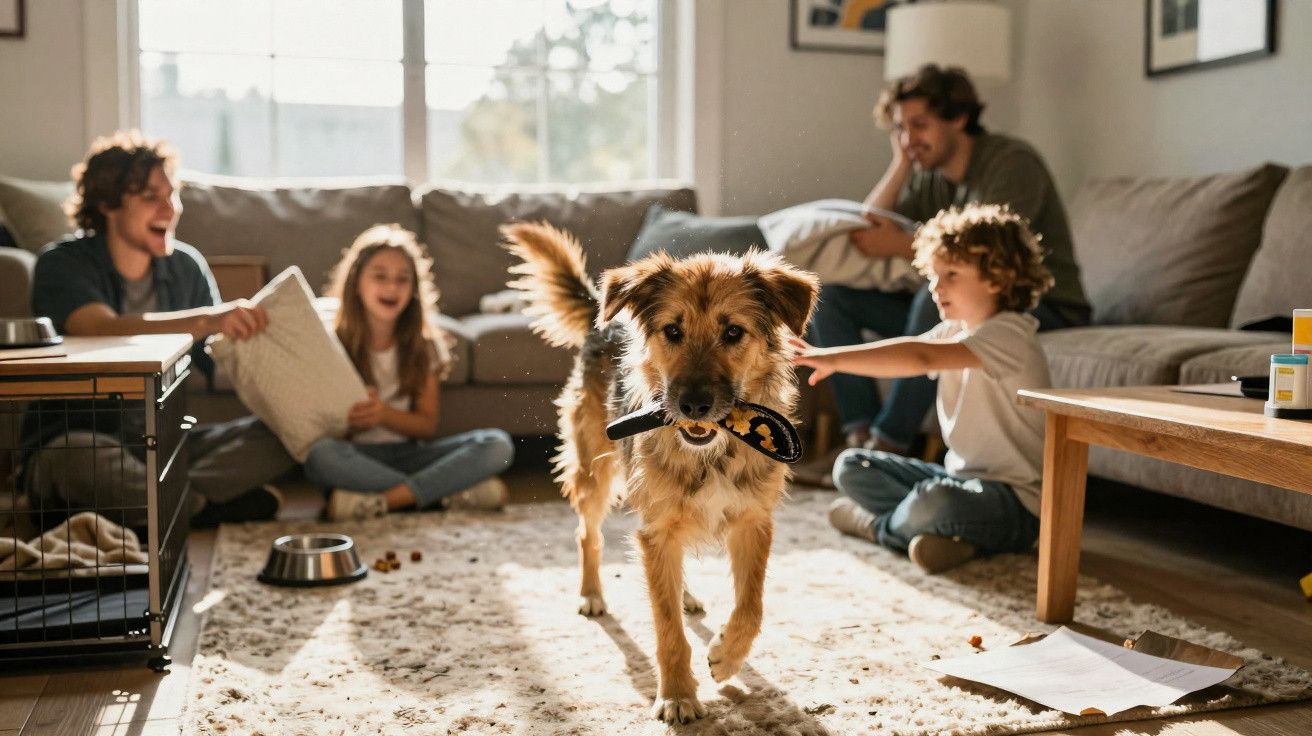
Homes with children may be suitable, provided adults supervise and show children how to respect a dog’s limits. Ear-pulling, chasing and shouting may frighten a puppy whose early life has been insecure.
Responsible adoption is more than a kind impulse
Responsible-adoption platforms, including the one displaying Americana’s profile, assess prospective adopters before approving a match. Potential owners may be questioned about their timetable, home environment, finances and experience with animals. Telephone interviews, home visits and trial placements are often included in the process.
These questions can feel daunting to some applicants, yet rescue groups say they safeguard both dog and adopter. An adoption made without enough preparation may result in stress, behavioural difficulties and, in the worst circumstances, the dog being returned to a shelter.
Adopting Americana would be an emotional decision, but it should also be a thoughtful one, grounded in long-term commitment.
Situations commonly faced by new adopters
Many people adopting former street dogs for the first time describe a “honeymoon period”, when the dog seems calm, quiet and almost unusually easy to live with. A few weeks later, once the animal feels secure, more natural behaviours may appear, such as barking at sounds, guarding toys or testing limits.
For Americana, this could involve a sudden increase in energy, chewing household items or uncertainty around strangers. These behaviours do not mean the adoption has failed; they can show that she is settling in and revealing her real personality. Steady training and positive reinforcement generally make this stage easier to manage.
Understanding trauma and restoring trust
Puppies such as Americana may not recall every experience from their days on the streets, but their bodies can retain the effects of early stress. Abrupt movements, loud noises and stern voices may prompt fear. Some dogs may freeze, hide beneath furniture or bark intensely.
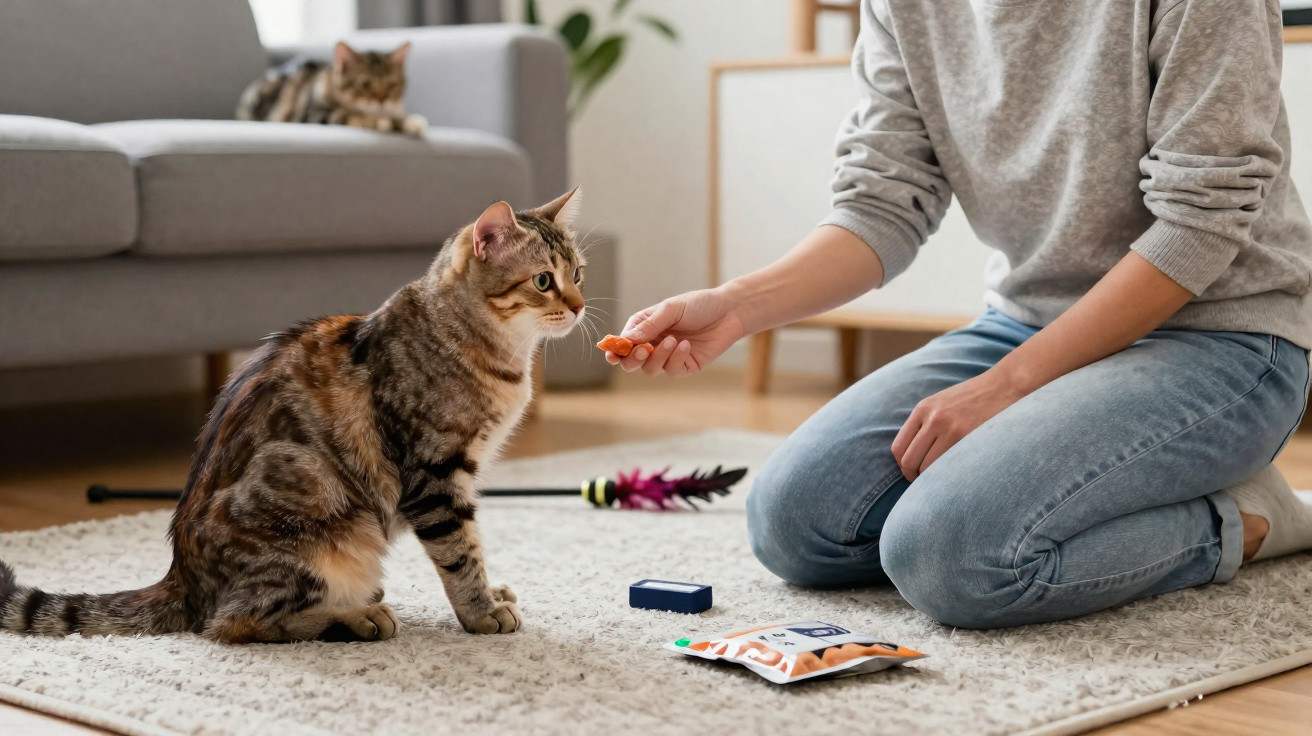
Trust can be rebuilt through calm, predictable contact. A soft voice, allowing the dog to come closer first and rewarding relaxed behaviour all help create security. Low-pressure companionship - sitting on the floor, reading or working while the dog moves around freely - can strengthen the relationship without placing too much demand on her.
Easy activities, including scattering kibble in a snuffle mat or offering puzzle feeders, provide a soothing way to occupy a dog’s mind. For a former stray, finding food through these games in a safe setting can draw on natural instincts while teaching her that good things now come from human hands.
Why giving a puppy a “childhood” is important
When rescuers say they want Americana to have a childhood, they mean a brief but vital developmental period. During their first year, dogs form their understanding of security, affection and boundaries. What happens at this age influences how they respond to stress and change as adults.
A puppy taught that people are kind and dependable is more likely to become a confident adult dog. A puppy exposed to continual fear and deprivation may later experience anxiety or reactivity. By adopting Americana while she remains in this formative stage, a family can carefully reshape the emotional story she carries.
This is not merely sentimental. A stable and loving home may lower the likelihood of behavioural problems, veterinary expenses associated with chronic stress and the distress of an unsuccessful adoption. For Americana, a true childhood represents far more than toys and walks: it offers the security of feeling safe for life.








Comments
No comments yet. Be the first to comment!
Leave a Comment