The same animals, the same plants, the same problems everywhere: researchers are identifying a new era in which nature is becoming increasingly uniform across the world.
While public debate focuses on climate, energy prices and wildfires, a quiet but profound transformation is unfolding in the background: biodiversity is changing at its core. This is not solely because species are dying out. The same hardy ‘winning species’ are appearing across the planet, while specialists are disappearing. Scientists now refer to this process as the ‘Homogenocene’.
What researchers mean by the term ‘Homogenocene’
The term ‘Homogenocene’ refers to an era in which ecosystems are becoming ever more alike. Forests, rivers, cities and seas are showing fewer differences in their species composition. Human activity is the shared driving force.
Put simply, flexible species that can tolerate a wide range of conditions spread more widely. Highly specialised species, which can survive only in very particular habitats, come under pressure and often vanish.
The Homogenocene does not mean more diversity, but greater uniformity – the same species worldwide, alongside a decline in genuine biodiversity.
Experts broadly distinguish between two types of species:
- Generalists: These can cope with very different habitats, consume a broad range of food and are often highly adaptable. Examples include urban pigeons, rats and certain invasive fish.
- Specialists: These depend on a particular climate, food source or habitat. Many rare island birds, amphibians and insects fall into this group.
Generalists benefit especially from the way people reshape landscapes. Cities, ports, transport corridors and agricultural deserts create fresh opportunities for them, whereas sensitive species lose the places they need to live.
How people are making nature more uniform
Ecosystems do not become alike by chance. A number of human pressures act together, reinforcing one another.
Urbanisation and agriculture as drivers
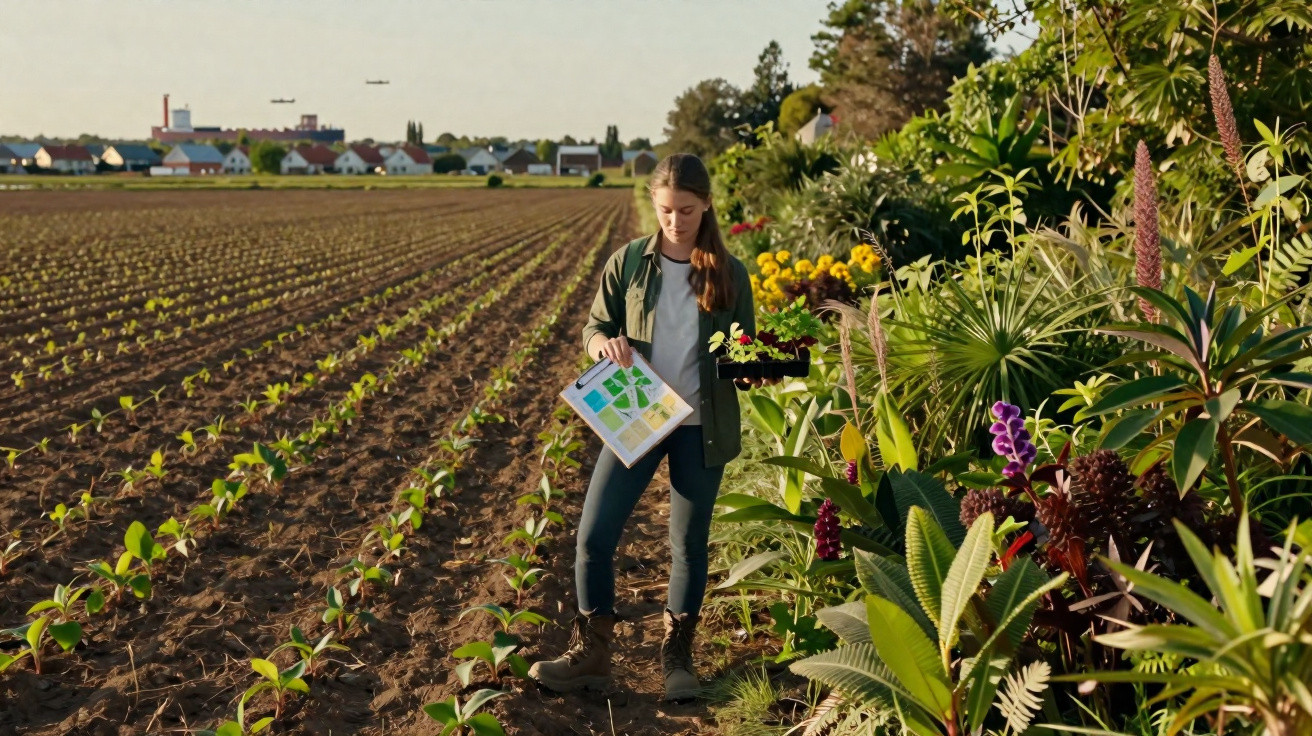
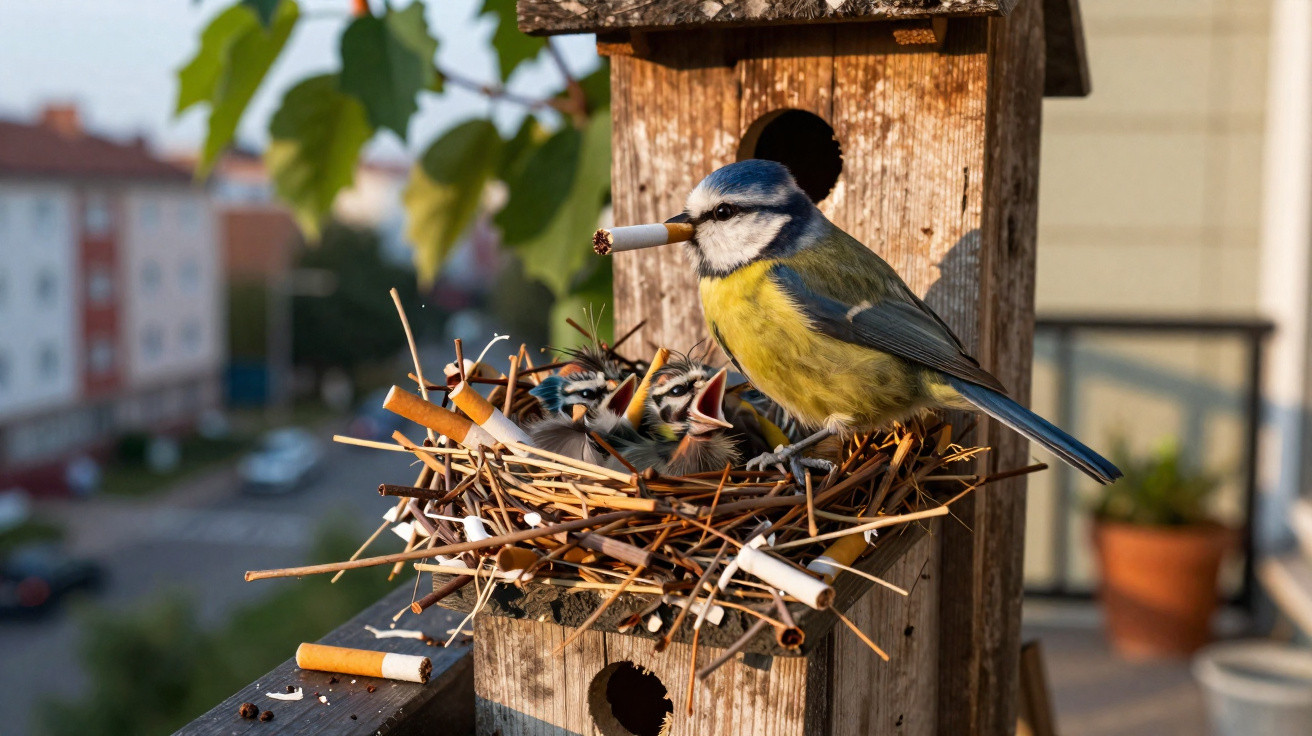
As towns and cities expand, hedgerows, wetlands, mature trees and untidy wild corners disappear. What remains is largely sealed ground, lawns, a limited range of tree species and standardised parks. In this simplified habitat, only a small number of animal and plant species prevail – those able to withstand noise, light pollution and rubbish.
Intensive farming produces a similar outcome. Monocultures, widespread pesticide use and drained soils leave space for only a handful of resilient species. Many specialised insects, farmland birds and soil-dwelling organisms can no longer find a permanent home there.
In both situations, the number of individuals belonging to a few ‘winning species’ rises while overall diversity declines. This can create the impression that nature is still ‘fully present’, when in fact its intricate ecological structure is breaking down.
Global transport blurs ecological boundaries
Organisms now travel continuously through trade, tourism and shipping: seeds in containers, insects in luggage and marine life in the ballast water of cargo vessels. This carries species into regions where they had never previously existed.
Some of these arrivals establish themselves, and certain species become invasive. They spread extensively, displace local specialists and make rivers, lakes and coastlines in distant parts of the world increasingly similar.
Where every region once had its own characteristic fauna and flora, many areas are now dominated by the same hardy ‘travellers between worlds’.
When unique species disappear: the island example
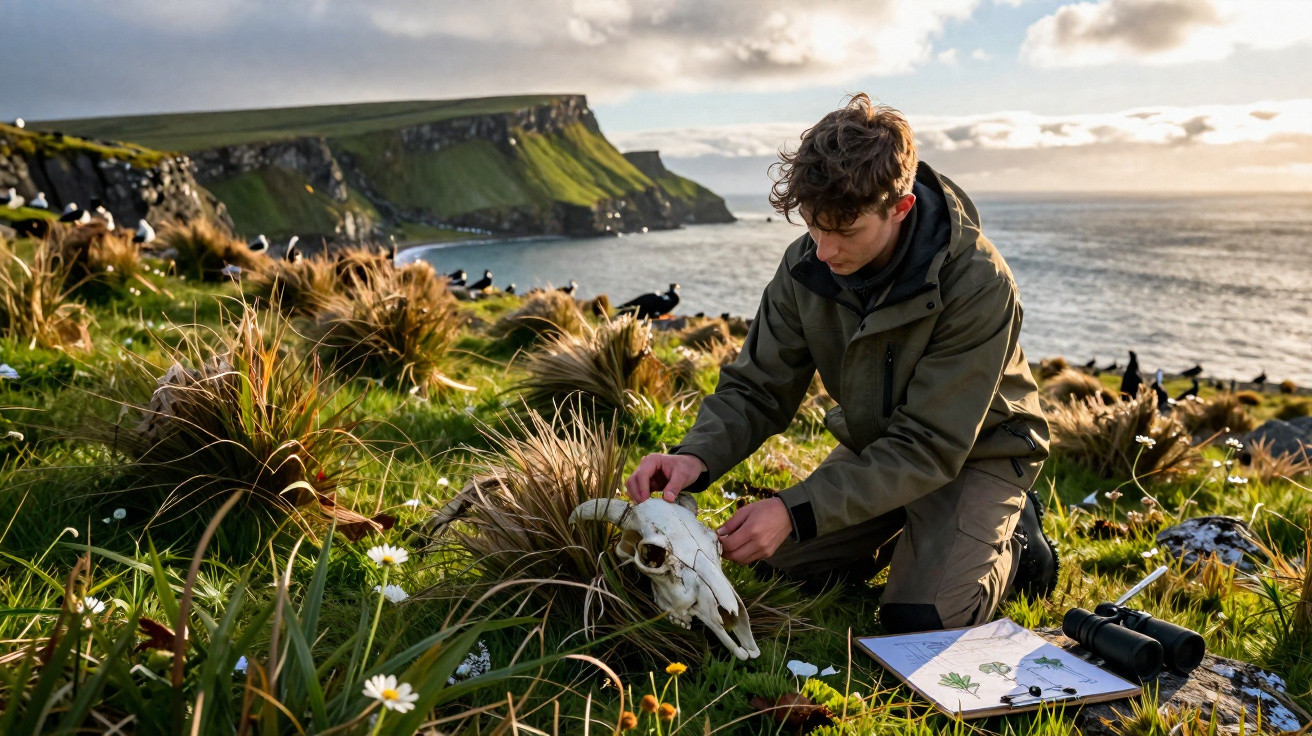
The phenomenon is particularly stark on islands. Many island species evolved over millions of years without major competition or without particular predators. They are highly specialised and are often poorly equipped to cope with sudden change.
When humans arrive with pets, rats or predators, these systems can rapidly collapse. A classic sequence looks like this:
- A specialised flightless bird lives on an island and has no experience of mammalian hunters.
- People introduce small predators, such as mongooses or rats, either deliberately or unintentionally.
- The new predators find abundant food because the birds have developed no escape strategies.
- The original species becomes extinct, and the habitat is dominated by the introduced mammals.
Such cases are not limited to islands. In rivers, too, native fish are increasingly being displaced by introduced species that are better able to cope with altered temperatures or polluted water.
Why uniform nature is less stable
At first glance, it may seem harmless if the same birds sing and similar plants grow in cities around the world. Yet the consequences run much deeper.
Every species that dies out represents a long evolutionary history, often including extremely specialised adaptations. When it is lost, ecosystem functions disappear with it: particular pollination services, nutrient cycles, predators of pests or food for other species.
Greater uniformity also increases the danger that entire systems will tip over. Where only a few generalists dominate, disease, heatwaves or new pests can affect them rapidly. Without the broad safety net created by many different species, the system is more likely to fail.
A ‘McNature’ containing similar species everywhere may look resilient – but it is often more vulnerable to crises.
Drivers of the Homogenocene: from climate to consumption
Several global developments are speeding up this process of standardisation:
- Climate change: Species shift their ranges, moving into cooler areas and encountering ecosystems that are already under strain.
- Pressure on resources and land: Forests give way to plantations, wetlands are developed and coastlines are built over, leaving specialists without their refuges.
- Intensive use of the seas: Overfishing, trawling and coastal pollution favour a small number of robust species while others disappear.
- Globalisation of trade: The constant movement of goods distributes organisms around the Earth like a conveyor belt.
Together, these forces shift the balance towards a few robust winners and many quiet losers.
How the trend can be slowed
The movement towards uniformity is not regarded as an unavoidable natural fate. Research and practical experience show that some losses can be reversed when people take corrective action.
Restoring habitats, including in everyday settings
Where natural habitats are restored, specialised species often return. Examples include:
- Renaturalised river courses where gravel banks and floodplain woodland can develop again.
- Peatlands that are no longer drained and provide space for rare plants and insects.
- Traditional orchards and field margins that create habitat for wild plants and pollinators.
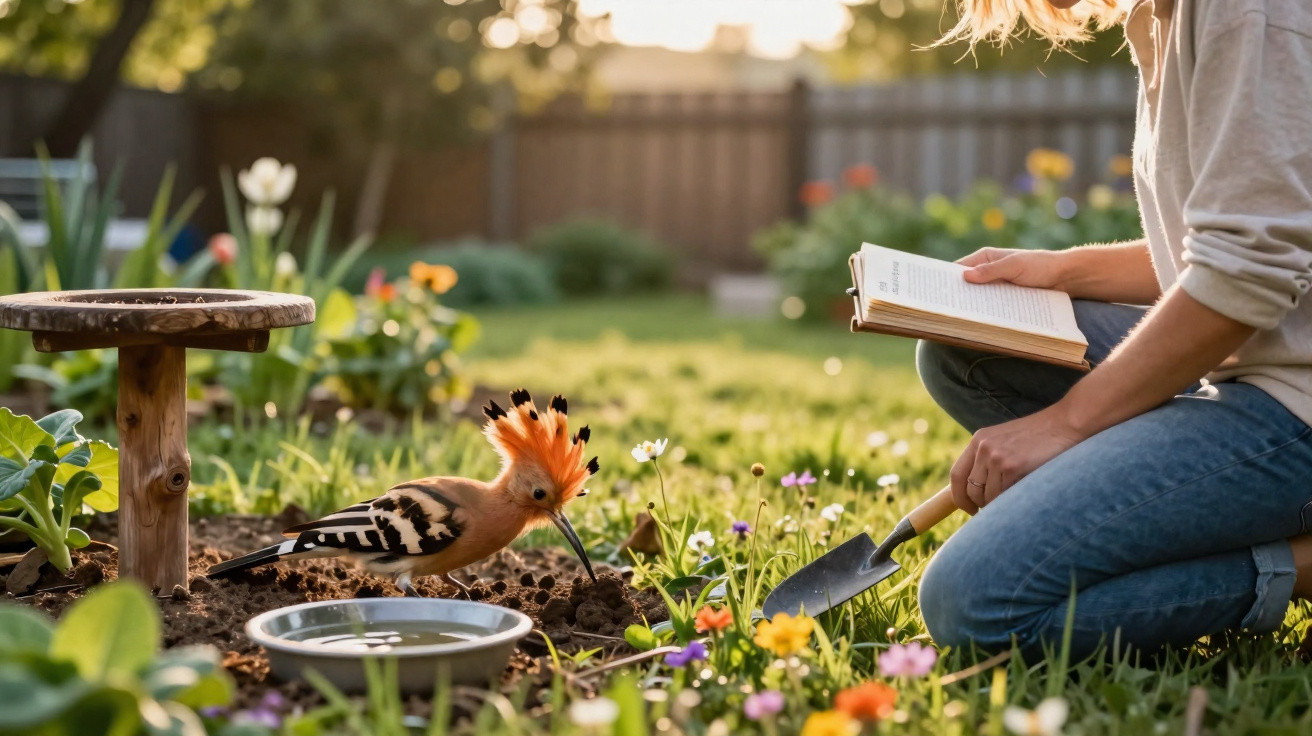
Small measures also make a difference: wildflower strips at the edge of towns, less surface sealing in new developments and wildlife-friendly parks instead of sterile lawns. Every additional niche creates an opportunity for specialists.
Controlling invasive species with clear rules
In some regions, it has been possible to contain introduced problem species and, in doing so, stabilise native species. The most successful approaches are those that begin early:
- Stricter checks at ports and airports.
- Bans on trading particularly problematic ornamental plants or pets.
- Planned removal of invasive species from protected areas where this is scientifically appropriate.
Such interventions remain sensitive and require a clear scientific basis. Even so, they demonstrate that the course of the Homogenocene can be changed.
What the term means for how we think about nature
The expression ‘Homogenocene’ is more than a fashionable new label. It shifts attention away from simply counting species and towards other questions: how different are they from one another? How distinct are ecosystems in different regions still, or how far are they becoming alike?
For research and conservation, this means using new measures. It is not only extinction itself that matters, but also the increasing similarity of species lists across continents, cities and rivers. This reveals where local uniqueness is fading, even when an area appears to contain plenty of ‘nature’.
Society faces an uncomfortable question: do we want a convenient but monotonous standardised nature, or are we prepared to leave room and tranquillity for demanding species that do not fit every pattern? How we answer that question will help determine how far the Homogenocene progresses.







Comments
No comments yet. Be the first to comment!
Leave a Comment