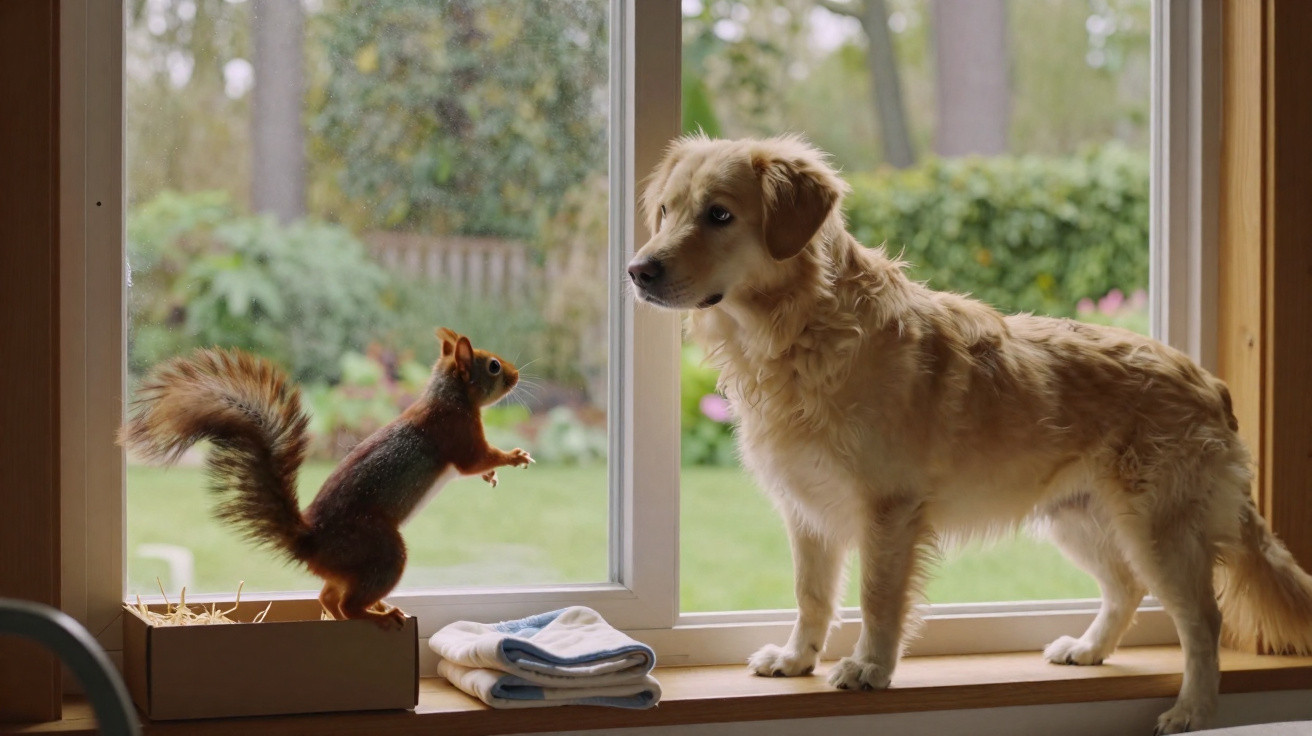
A fragile creature once fighting for survival at the edge of a peaceful Texan garden has become part of an extraordinary everyday routine.
The emergency rescue of a tiny injured squirrel developed into a gentle friendship that endured, even once he had been returned to the wild.
A squirrel falls from the nest into a family’s world
In Austin, Texas, the Simoes family had expected Millie, their loving dog, to remain their only pet. Everything changed when the couple’s 16-year-old daughter, an aspiring vet, noticed a baby squirrel barely moving on the ground beneath a tree.
The little squirrel had tumbled from his nest. He was underweight, weak and visibly unwell, with one severely infected eye. He was also already dehydrated.
The family eventually called him Esquilo, the Portuguese word for “squirrel”, reflecting both their heritage and his untamed nature.
Luiz Simoes, who works from home, chose to help his daughter save the tiny animal. Together, they prepared a warm indoor nesting box and gave him fluids, carefully managed feeds and treatment for his eye infection. At first, it was unclear whether he would survive.
However, Esquilo began improving. Little by little, he recovered his strength, started moving around and changed from an unmoving ball of fur into an observant, inquisitive youngster.
Millie the dog becomes an unlikely protector
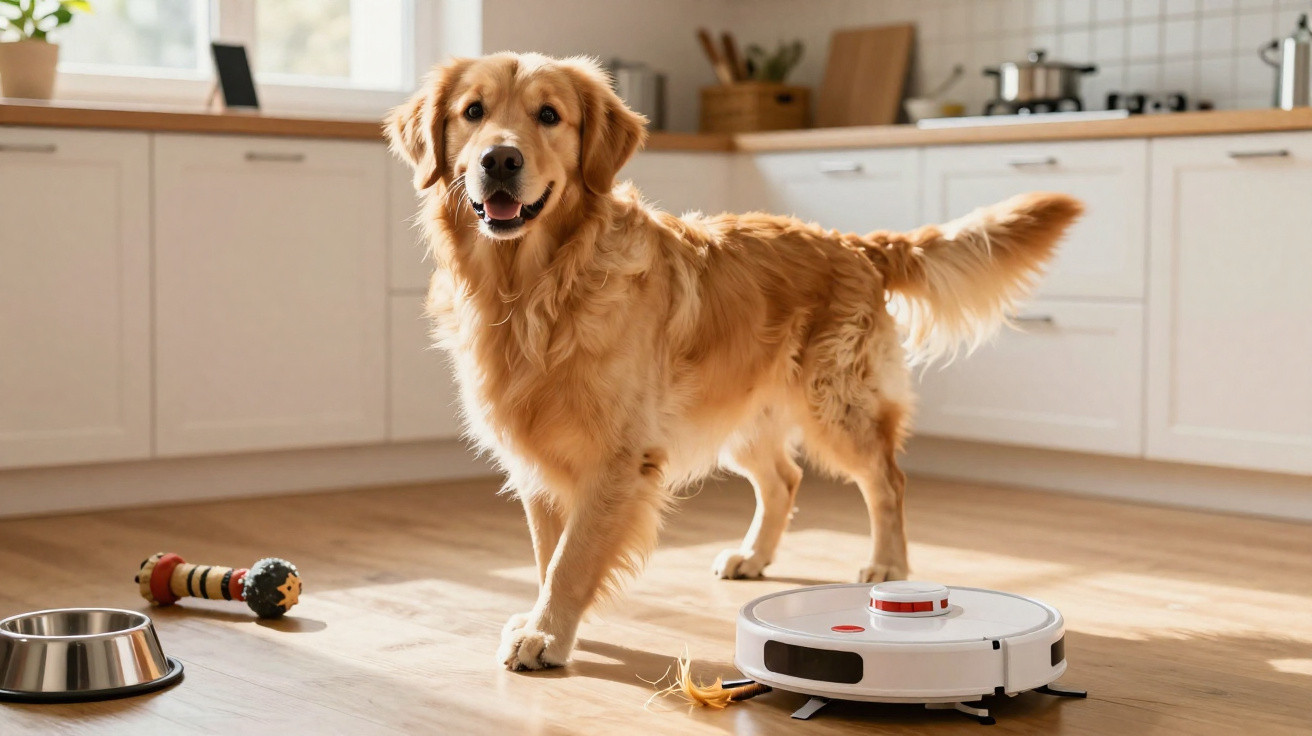
While Luiz and his daughter concentrated on Esquilo’s treatment, another household member appeared just as concerned about the new arrival: Millie. Her manner changed as soon as she encountered the baby squirrel.
Rather than barking or trying to chase him, Millie moved towards him carefully. After softly sniffing him, she lay nearby as though she had taken on the role of guard. Luiz watched them closely at first, concerned that something could go wrong, but those fears soon disappeared.
For reasons no one fully understands, Millie appeared to “adopt” Esquilo from the first meeting, offering warmth and calm rather than instinctive hunting behaviour.
As Esquilo became healthier and more active, Millie adapted as well. She allowed him to climb over her back, gently pull at her fur and curl up beside her whenever he needed to sleep. Their connection relied on body language rather than words: calm ears, unhurried tail wags and the squirrel’s growing trust.
The value of companionship across species
Millie’s steady presence gave Esquilo security and social interaction during an important stage of his development. For Millie, the squirrel seemed to become an adopted puppy in need of looking after.
- Comfort: Physical warmth and contact supported Esquilo’s recovery from injury and stress.
- Stimulation: Soft play helped him develop physical coordination.
- Bonding: Their daily encounters built familiarity between species usually seen as predator and prey.
Luiz saw Esquilo trail Millie from one room to another. If she settled down, he would often rest alongside her; when she stood up, he quickly followed on his agile little feet.
Ready for freedom: the emotional release
Although the family had become deeply attached to him, they never forgot that Esquilo belonged in the wild. As he matured, his natural instincts became increasingly obvious. He scaled furniture with ease, jumped between surfaces and paid close attention to the trees beyond the window.
Luiz started getting him ready for release. Esquilo was first offered more chances to climb outside, before being allowed to investigate the back garden under supervision. Over time, he became increasingly assured in the open air.
One day, Luiz opened the back door, watched Esquilo dart toward the trees, and let him go, knowing that real love sometimes means stepping back.
The occasion brought both sadness and pride. The family had saved him, watched him develop and seen his relationship with their dog grow. Returning him to his natural habitat was the responsible decision, yet it felt like parting with a member of the family.
The unexpected visitor at the window
The following morning, Luiz looked out into the garden and saw a recognisable little figure. Esquilo had returned, climbing onto a branch near the house and looking towards the windows as though he was trying to find someone.
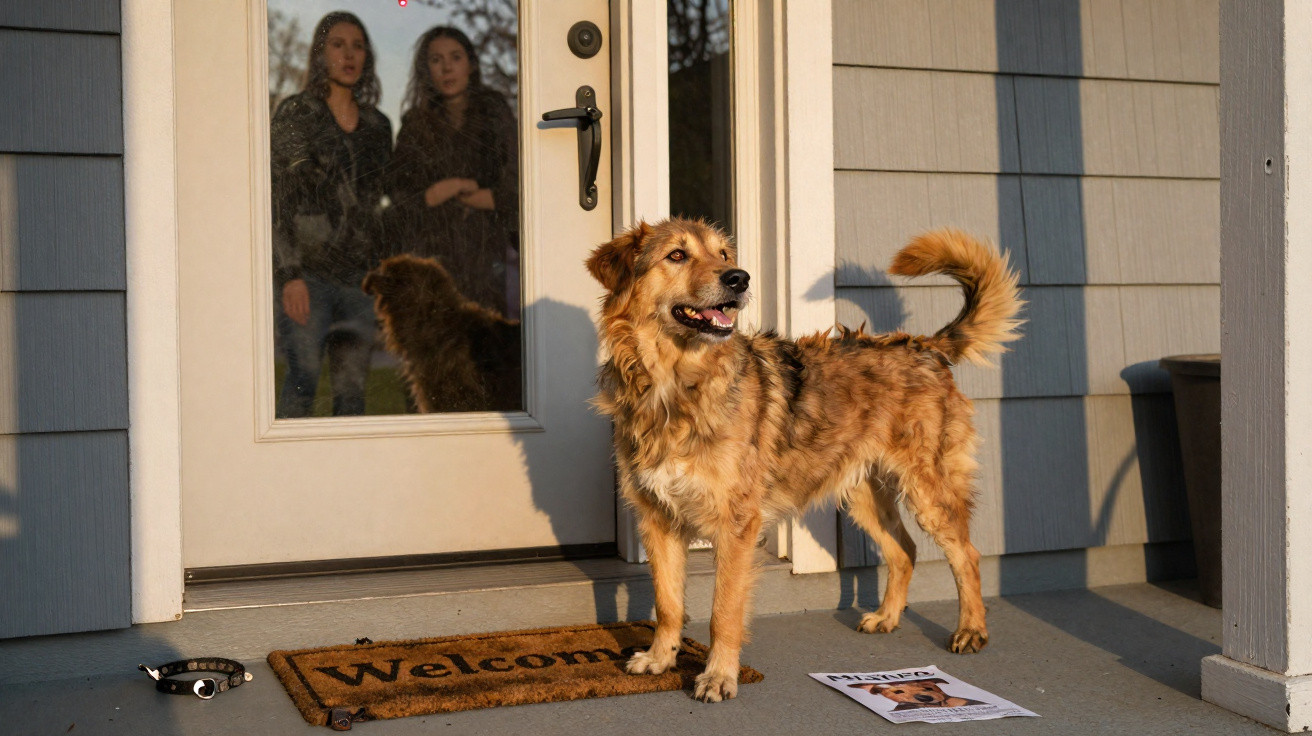
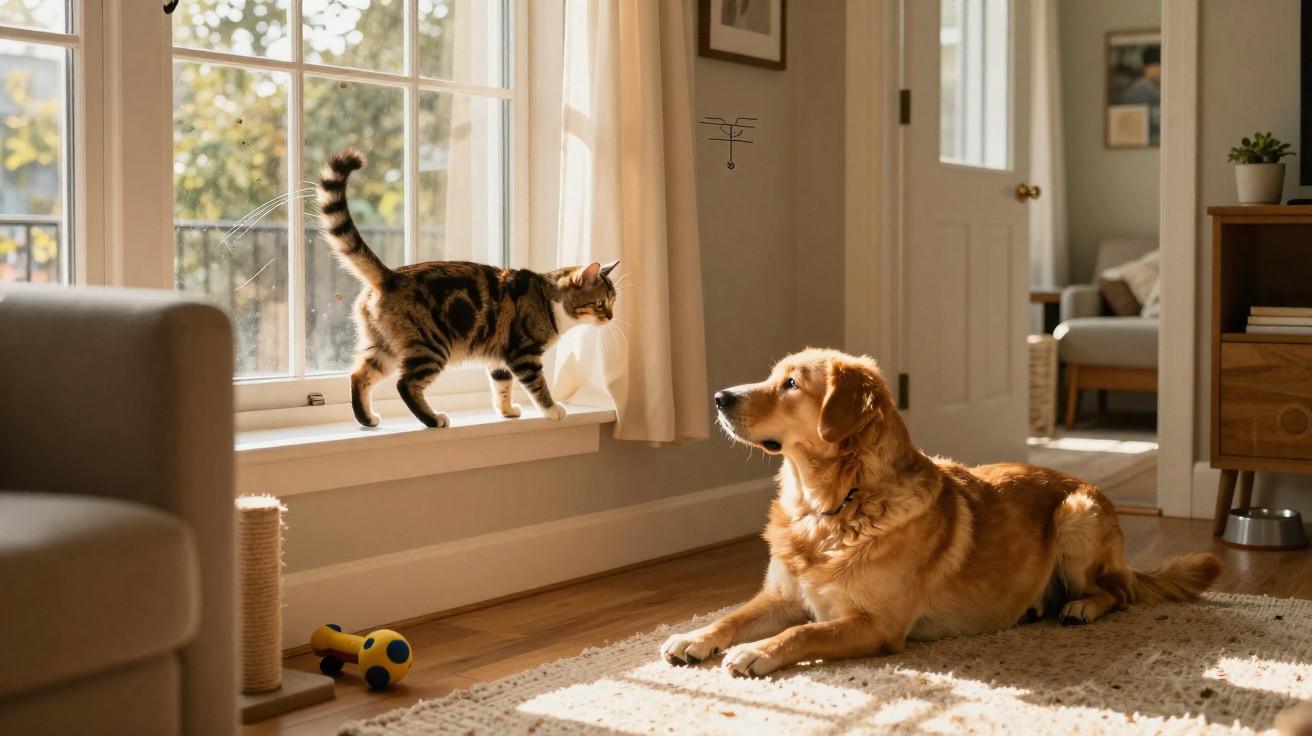
When Millie spotted him, she raced to the glass with her tail wagging wildly. She gave a quiet whine until the door was opened. Then the two reunited in the garden and ran towards one another as they had before.
Since that day, Esquilo has returned almost every morning, turning the window into a meeting point between domestic life and the wild.
Their routine is now firmly established:
- Esquilo arrives near the window or back door.
- Millie notices him and alerts the family, sometimes pacing or scratching at the glass.
- Once the door is opened, they play in the garden, chasing and circling each other before sharing calm moments side by side.
After some time, Esquilo races up a tree or vanishes further into the surrounding woodland. Millie goes back inside, often looking behind her as though she is already anticipating his next visit.
How wild and domestic animals can interact
Stories such as this draw attention to unusual yet compelling cases in which a pet and a wild animal create a lasting connection. They invite questions about instinct, learning and social behaviour between different species.
| Aspect | Typical expectation | What happened with Millie and Esquilo |
|---|---|---|
| First encounter | Dog shows chasing or hunting instinct | Dog shows protective, gentle interest |
| Recovery period | Limited contact, focus on human care | Shared resting and play sessions with the dog |
| After release | Wild animal rarely returns | Daily visits to see the dog and family |
Most experts continue to advise against raising wild animals unless there is no alternative. Wild species have complicated requirements, and homes are not designed to meet them. In Esquilo’s situation, direct action probably saved his life, but returning him to nature remained the long-term aim.
What to do if you find an injured baby squirrel
Those who find a squirrel that has fallen or been injured may instinctively bring it home. Taking a more careful approach better protects people as well as wildlife.
- First watch from a distance, as the mother may come back.
- Where the animal is clearly cold or injured, contact a licensed wildlife rehabilitator.
- If you need to move it, use gloves or a cloth to minimise stress and reduce the risk of bites.
- Keep it somewhere warm and quiet until professional help arrives, and do not give it unsuitable food.
In many areas, keeping a wild squirrel as a pet is either restricted or discouraged. Rehabilitation centres are better placed to prepare squirrels for outdoor life, providing everything from appropriate diets to safe release methods.
Why this story resonates with so many people
Millie and Esquilo’s relationship speaks to themes that many people understand: rescue, fresh starts and friendships that cross boundaries often assumed to be fixed. A dog would normally regard a squirrel as something to pursue, but Millie appeared to see a vulnerable animal needing help.
Their daily reunions suggest that wild animals can recall places and individuals linked with safety. Squirrels are recognised for their strong spatial memory, usually used to locate hidden food. In Esquilo’s case, that memory appears to be just as closely connected to his early carers and his canine companion.
For pet-owning families, the story may also encourage discussions with children about treating wildlife respectfully. Seeing a dog and squirrel play together is endearing, but it is also a reminder that both domestic and wild animals experience fear, reassurance and attachment in their own ways.
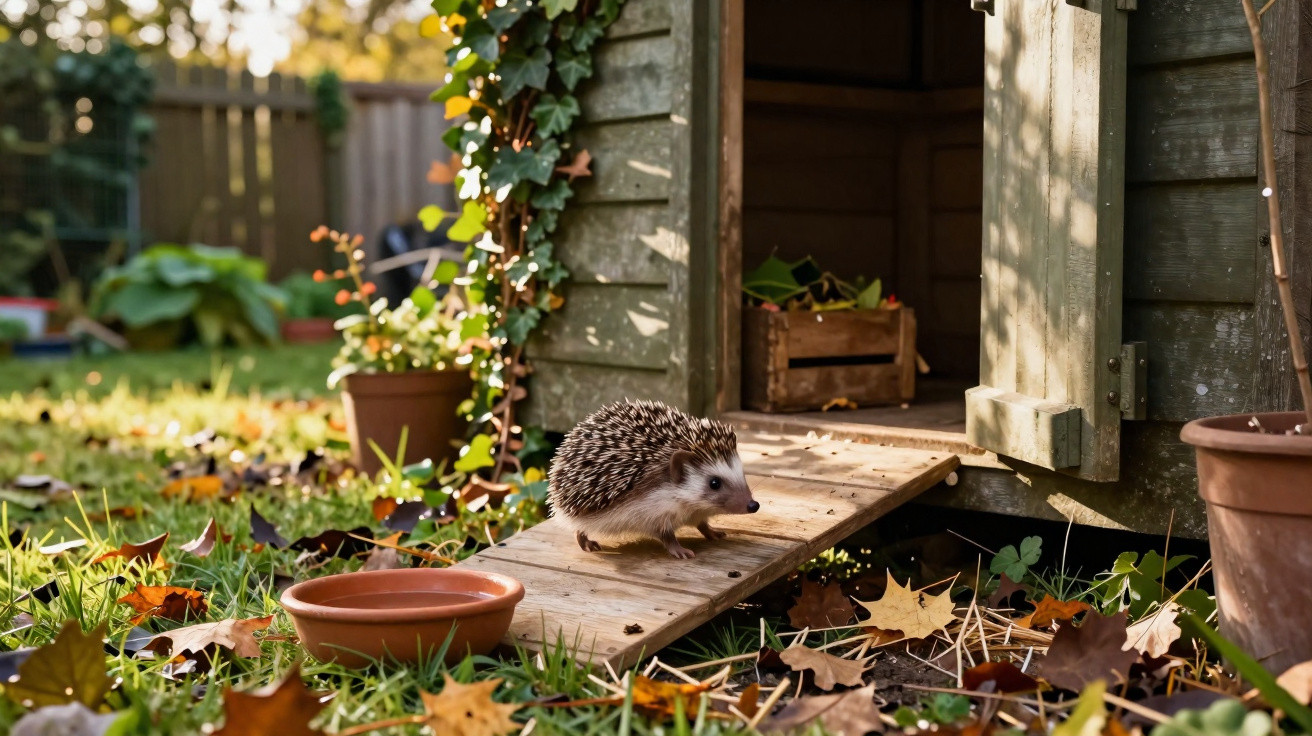
Similar examples make the idea easier to picture: a hedgehog sheltered in a UK garden, a crow repeatedly visiting the balcony where it was once fed, or a fox returning to a secure garden after recovering from an injury. Each reflects the same idea: when people behave with kindness, some wild animals choose to maintain that connection after reclaiming their freedom.



Comments
No comments yet. Be the first to comment!
Leave a Comment