The true seriousness of her situation only becomes clear when neighbours secretly follow her.
What began as an ordinary autumn weekend for several residents on an unremarkable lane at the edge of town turned into a story more commonly seen in animal rescue videos. A small dog, repeatedly spotted alone, led them to a concealed place - where an entirely unexpected discovery awaited.
An unassuming dog catches the neighbours’ attention
The events took place in Peterborough, a city in central England. Last autumn, several neighbours began noticing a small female dog, thought to be a Shiba Inu cross. She kept appearing along the same street, darting past front gardens, keeping her distance and seeming to have no one looking after her.
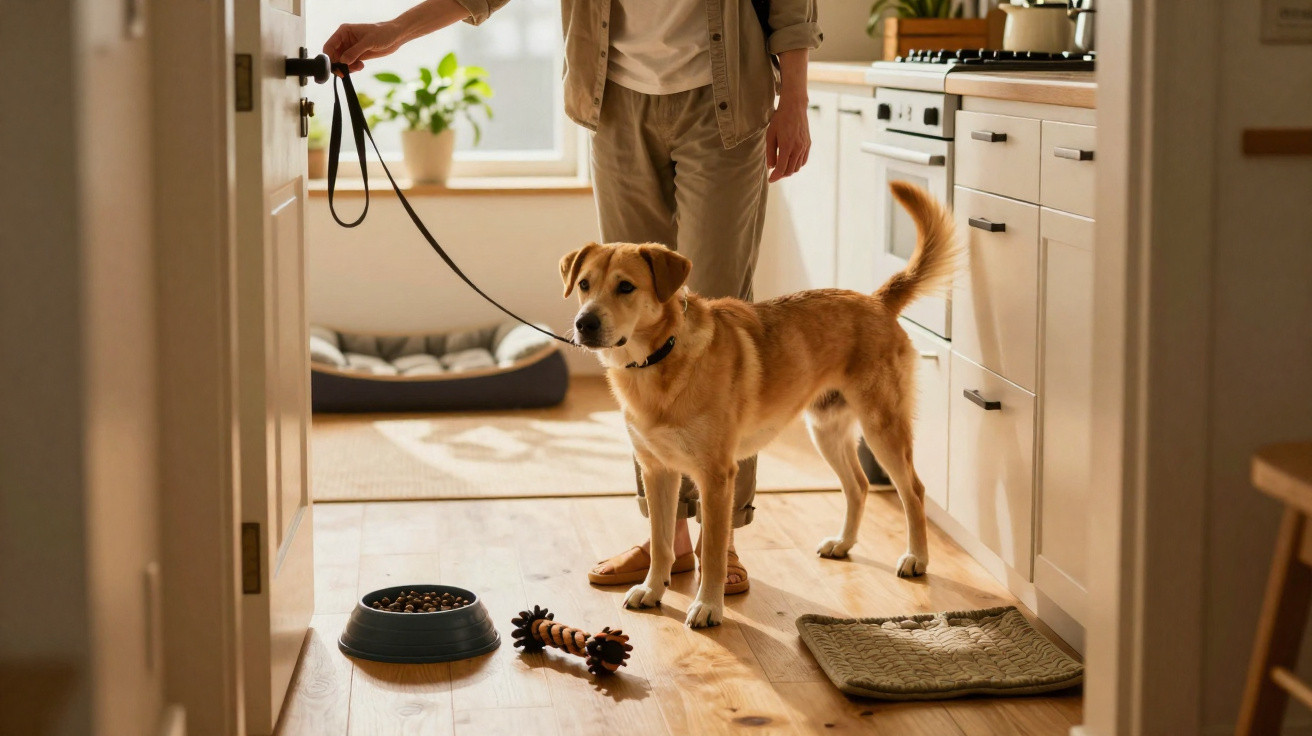
As the wind turned colder and daylight hours shortened, the dog was still always on her own. Residents left food outside their homes or discreetly placed it by the roadside. She ate gratefully but would not allow anyone to touch her. There was no collar, no harness and nobody calling for her.
Gradually, the residents came to believe that this dog was genuinely surviving entirely on her own.
Concern mounted. Where was she sleeping at night? Did she belong to somebody? And why did she appear so purposeful, as though she had a secret destination?
The decision: we need to find out where she goes
One evening, several neighbours decided they could no longer simply watch from afar. When the dog set off on her familiar route again, they quietly coordinated and followed her, maintaining enough distance not to frighten her.
She left the residential area, passed a main road and headed towards a wooded patch on the outskirts of town. It was a narrow path covered in fallen leaves, with hardly anyone around. Then the dog disappeared into the bushes.
A startling discovery in the undergrowth
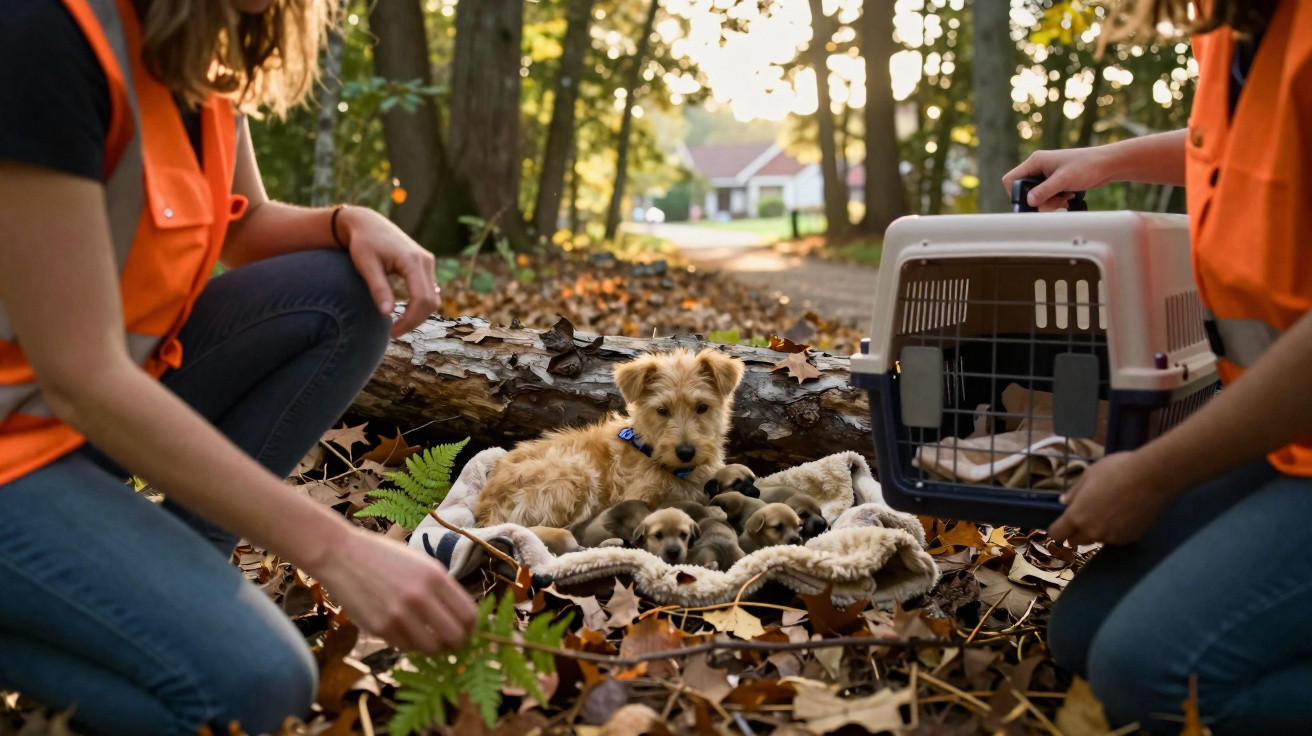
Behind a cluster of young trees, carefully hidden among branches and leaves, the neighbours found a makeshift nest. It contained old leaves and a little grass - as well as five tiny puppies. Barely three weeks old, with their eyes still shut or only just opening, they were huddled tightly together against the cold.
The dog thought to be homeless was actually a mother. She had been living alone in the woods, travelling between the street corner and her hiding place to feed herself while protecting her babies.
In seconds, the stray dog became a mother desperately trying to keep her babies alive - in the middle of autumn, with no shelter and no help.
When the people moved closer, the mother panicked. She ran back a few metres, stayed at a distance and watched anxiously. Her fear of strangers outweighed any trust she might have felt.
Rescue operation in the cold and dark
The neighbours now had to act quickly. The puppies were lying in damp leaves while temperatures continued to drop. They therefore chose to lift the little ones carefully, warm them up and take them somewhere safe for the time being.
Every action mattered. The puppies were tiny and still completely reliant on their mother’s milk and warmth. At home, the helpers wrapped the babies in blankets, used hot-water bottles and contacted a local animal welfare charity at the same time.
Later that night, they returned to the woods. They hoped to see the mother again - and they did: she was near her former hiding place once more, uncertain but still there. The helpers kept their distance and alerted a professional animal welfare organisation so that she could be safely captured.
Woodgreen Pets Charity takes in the family
The following day, Woodgreen Pets Charity, a well-known British animal welfare organisation, arrived. Its team brought humane capture equipment, transport crates and extensive experience with frightened stray dogs.
Using patience, food and calm movements, the team managed to secure the mother. Unlike some aggressive stray dogs, she did not fight fiercely; she was mainly frightened and exhausted.
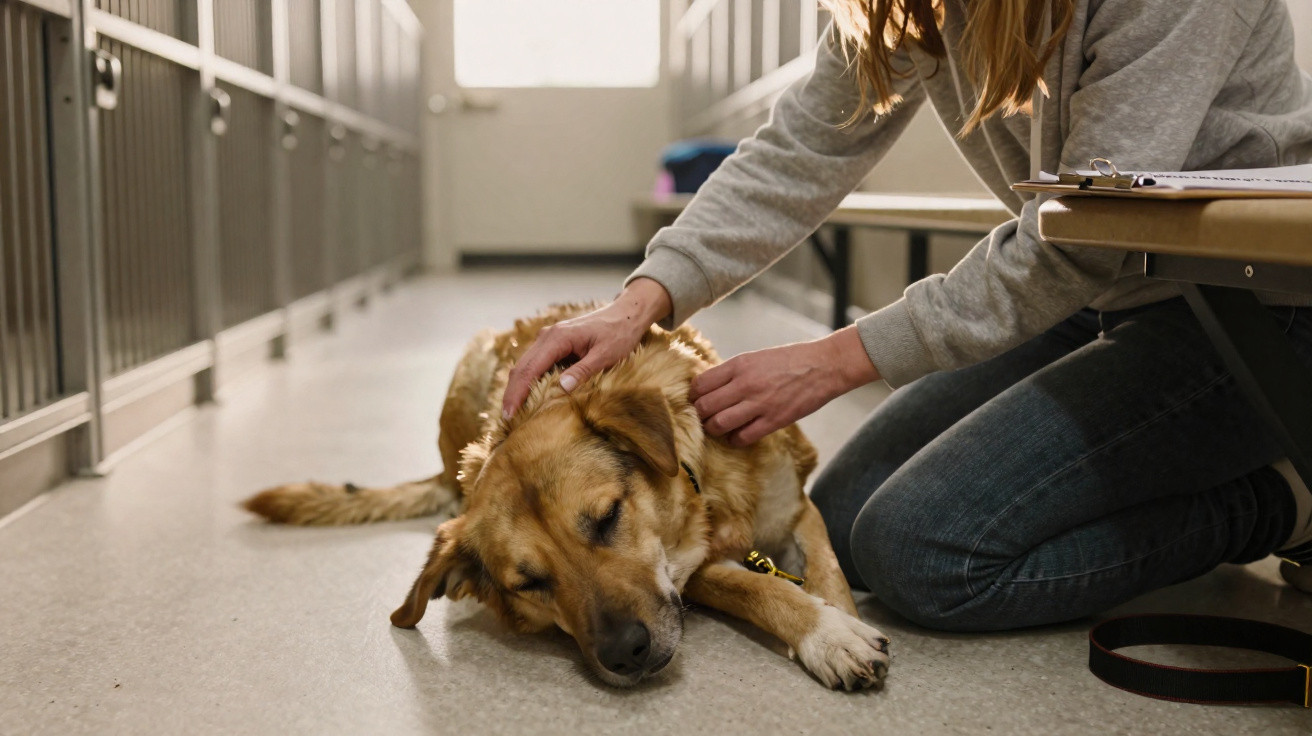
At Woodgreen, the family received proper protection for the first time: a clean crate, blankets, veterinary checks, warmth and regular meals. The puppies were given names inspired by where they had been found and by the autumn season:
- Ash - after the ash tree in the woods
- Chestnut - chestnut
- Acorn - little acorn
- Blossom - blossom
- Maple - maple
The helpers named the mother Fern, a name recalling ferns and woodland. All of them were less than three weeks old and severely chilled, but they had been found in time.
From a woodland nest to a living room: a happy turn for Fern
Woodgreen quickly began looking for a foster home where Fern could raise her puppies peacefully. An experienced foster family came forward and prepared a dedicated room, complete with beds, blankets and a puppy pen.
Over the following weeks, the kind of development dog lovers adore took place. The tiny puppies opened their eyes, tottered around the room on paws still far too large for them, tested their voices and played with one another. Fern gradually began to relax and learned that people could mean something good.
In a safe home, the frightened stray becomes a loving, more relaxed mother who cautiously begins to trust her people.
In time, it became apparent that several of the puppies, as well as Fern herself, were sociable and curious, with good prospects of finding permanent homes. One by one, they moved in with new families - people who understood exactly what they were taking on and were ready to invest patience and time.
Why neighbours should look closely at stray dogs
Fern’s story demonstrates how quickly a “stray dog” can turn into a serious emergency, particularly when puppies are involved. Many people hesitate to report a dog that seems to be without an owner because they fear overreacting or causing trouble with possible owners.
When a dog is repeatedly seen, looking carefully can make all the difference. Typical warning signs include:
- The dog appears alone for days or weeks, usually in roughly the same area.
- It has no collar, no ID tag and no visible contact with people.
- It seems tense, underweight or very dirty.
- It repeatedly heads in the same direction, such as towards a woodland path, an empty property or a back garden.
Anyone noticing this should not attempt to restrain or catch the dog themselves. It is safer to contact a local animal shelter, council animal welfare service or the police. Professionals can assess whether there is a genuine emergency and determine how the animal can be secured safely.
How to help female dogs with puppies properly
Situations involving a female dog with young are especially delicate. Rushing in can frighten her so badly that she runs away and abandons the puppies. That is initially what happened with Fern. When the helpers came closer, she fled, leaving her helpless babies behind.
Ideally, professionals proceed as follows:
- Secure and document the location with photos and a clear description of where it is.
- Keep a distance so the mother is not put under further stress.
- Contact animal welfare services or an emergency veterinary service immediately.
- Only remove the puppies if they are in immediate danger, such as from cold, wet conditions or injuries.
- Secure the mother carefully using food, calm conditions and professional equipment.
A dog like Fern is not a “wild dog”. More often, she is an animal familiar with people, perhaps abandoned or lost, that keeps her distance through fear.
What Fern’s story means for animal lovers
Stories like this reinforce what many animal lovers already believe: it is worth paying attention. The neighbours in Peterborough could have ignored the little dog. Instead, they spoke to one another, took action and ultimately saved six lives, including the mother.
For towns and local communities, the case shows the importance of a functioning network of observant residents, accessible animal welfare services and foster homes willing to take animals in. Without a foster family prepared to help, Fern might have had to raise her puppies in an overcrowded shelter, with a far more difficult start in life.
Even those unable to take in an animal themselves can make a difference: passing on reports, treating information seriously, donating to local organisations or offering help with transport to veterinary appointments. Many animal welfare charities depend on exactly this kind of support.
For Fern and her five puppies, the neighbours’ courage paid off. A cold woodland nest became a springboard to a new life - and an anonymous “stray dog” became a family dog with a name, a story and a future.










Comments
No comments yet. Be the first to comment!
Leave a Comment