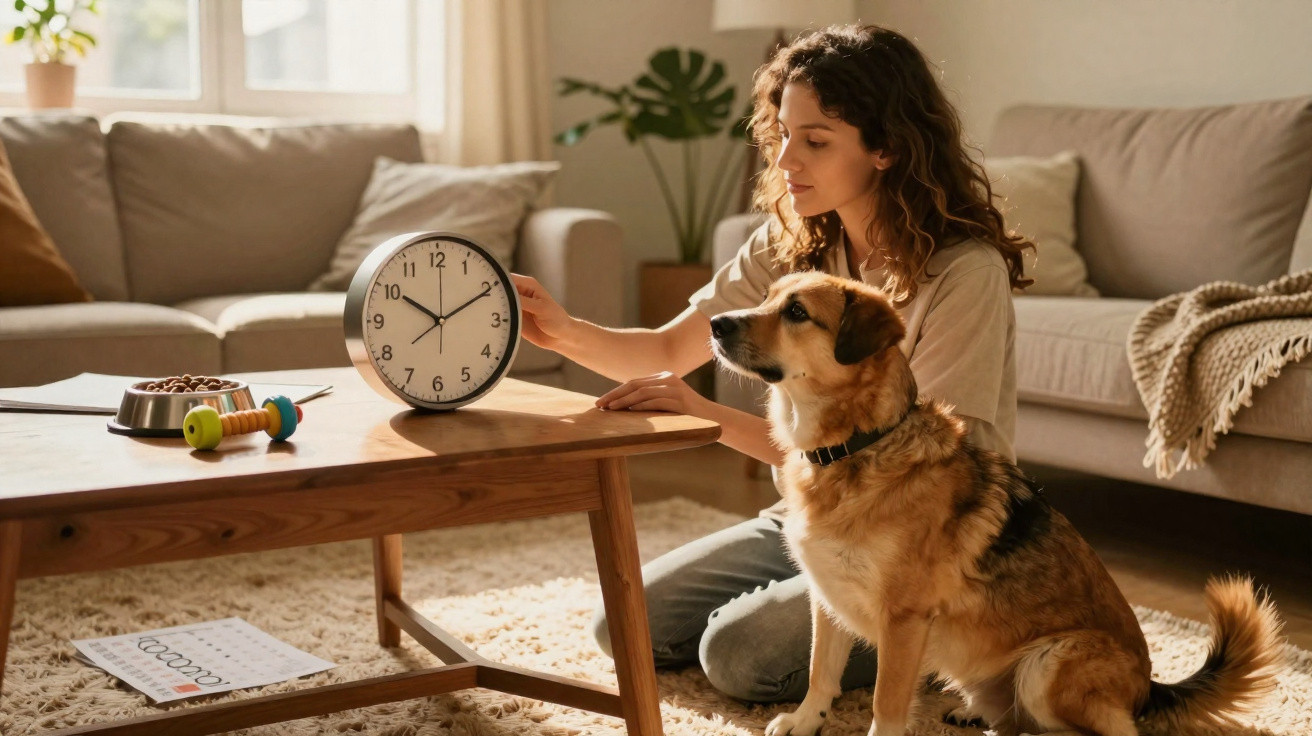
With a few simple measures, you can spare your four-legged friend a great deal of disruption.
When the clocks go forward in spring, much of the conversation centres on tired people and lost sleep. For dogs, however, the change has a different impact: meal times, walks and sleeping patterns suddenly no longer align. This can leave them unsettled, anxious and may even upset their stomachs. A gentle, carefully planned transition can make this period far more relaxed.
Why the clock change unsettles dogs so much
Dogs do not read clocks. They take their cues from routines, daylight, their bodily rhythms – and from you. If, with no preparation, the clock suddenly dictates that food arrives an hour earlier or later, that does not fit with their internal timetable.
Common causes of stress around the clock change include:
- altered feeding times
- walks beginning earlier or later
- going to bed unusually late or getting up earlier
- an unsettled mood in owners who are tired or irritated themselves
“Dogs love predictability. The more structured the day is, the safer they feel – especially when the clocks change to summer time.”
Many dogs cope with the change without complaint. Others are more sensitive: they may seem restless, demand their bowl earlier or lie awake at night. Having a clear plan before the clocks change considerably reduces this friction.
The 15-minute method: gentle preparation rather than an abrupt change
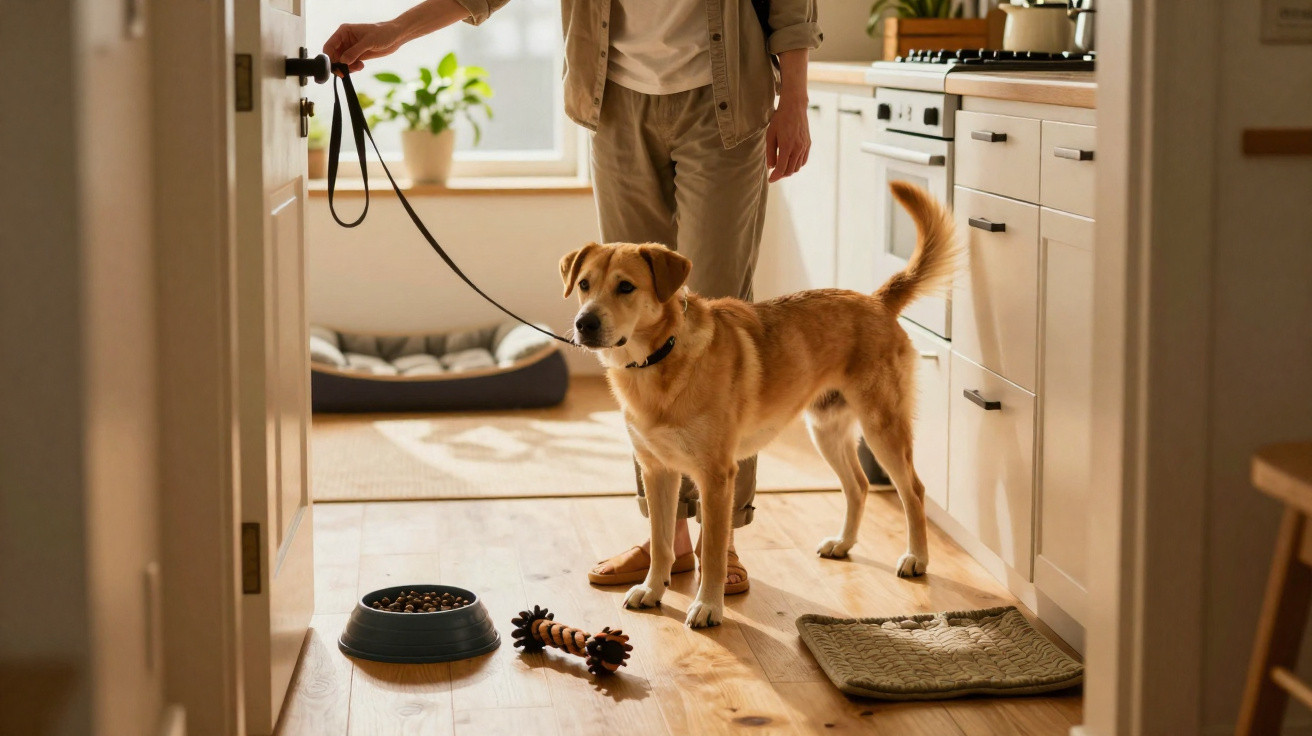
Rather than confronting your dog with a new time overnight, it is worth making the adjustment gradually. Dog experts recommend beginning four to five days before the clocks change.
How the 15-minute plan works
The principle is straightforward: move every key part of your dog's day bit by bit, in small increments of 10 to 15 minutes. This particularly applies to:
- feeding times
- walks
- play and training sessions
- bedtime
Here is an example for the clocks going forward by one hour in spring:
| Day before the clock change | Usual feeding time | New time |
|---|---|---|
| 4 days before | 18:00 | 18:15 |
| 3 days before | 18:00 | 18:30 |
| 2 days before | 18:00 | 18:45 |
| 1 day before | 18:00 | 19:00 |
Use the same approach for walks and bedtime. Instead of experiencing one sudden, major disruption, your dog goes through several small changes that are easier to handle.
“A dog’s body adapts much more easily to several small shifts than to one radical jump of a full hour.”
Behavioural signs: when your dog is struggling with the clock change
After the clocks have changed, it is worth watching your dog's behaviour closely. Some dogs give very clear signs that they are finding the new routine difficult.
Typical signs of stress after the clock change
- Restlessness: Your dog paces frequently and struggles to settle into a relaxed sleeping position.
- Sleep problems: They find it hard to wind down in the evening or wake particularly early.
- More barking or whining: They more insistently demand what used to happen at their usual time, such as food or a walk.
- Changes in appetite: Reduced appetite or begging for food at unusual times.
- Anxiety and stress responses: Panting, trembling, drooling or frantic pacing back and forth, particularly in dogs that are already insecure.
If one or more of these signs appear, greater calm and structure will help. Stick to your routine and reassure your dog, rather than reverting to the old “clock time” out of guilt.
Which dogs are especially sensitive
Not every four-legged friend reacts in the same way. Some groups are more vulnerable to change.
Puppies: their routine is still developing
Young dogs often do not yet have a firmly established daily rhythm. Their bodies are already managing many demands: growth, training and house-training. A sudden change can therefore unsettle them more easily.
For puppies:
- break changes down into especially small stages
- establish clear, short daily blocks (sleeping – toileting – eating – playing)
- include plenty of physical contact and calm periods
Senior dogs: routine is worth its weight in gold
Older dogs are often strongly attached to their routines. As they age, their sleep patterns, metabolism and sometimes their sensory perception change. An abrupt adjustment can affect their mood and health more quickly.
For senior dogs, it is particularly helpful to:
- begin the 15-minute plan early
- keep night-time walks short and use lighting sensibly
- watch for signs of joint or digestive problems when walking and feeding times are moved
Anxious and sensitive dogs
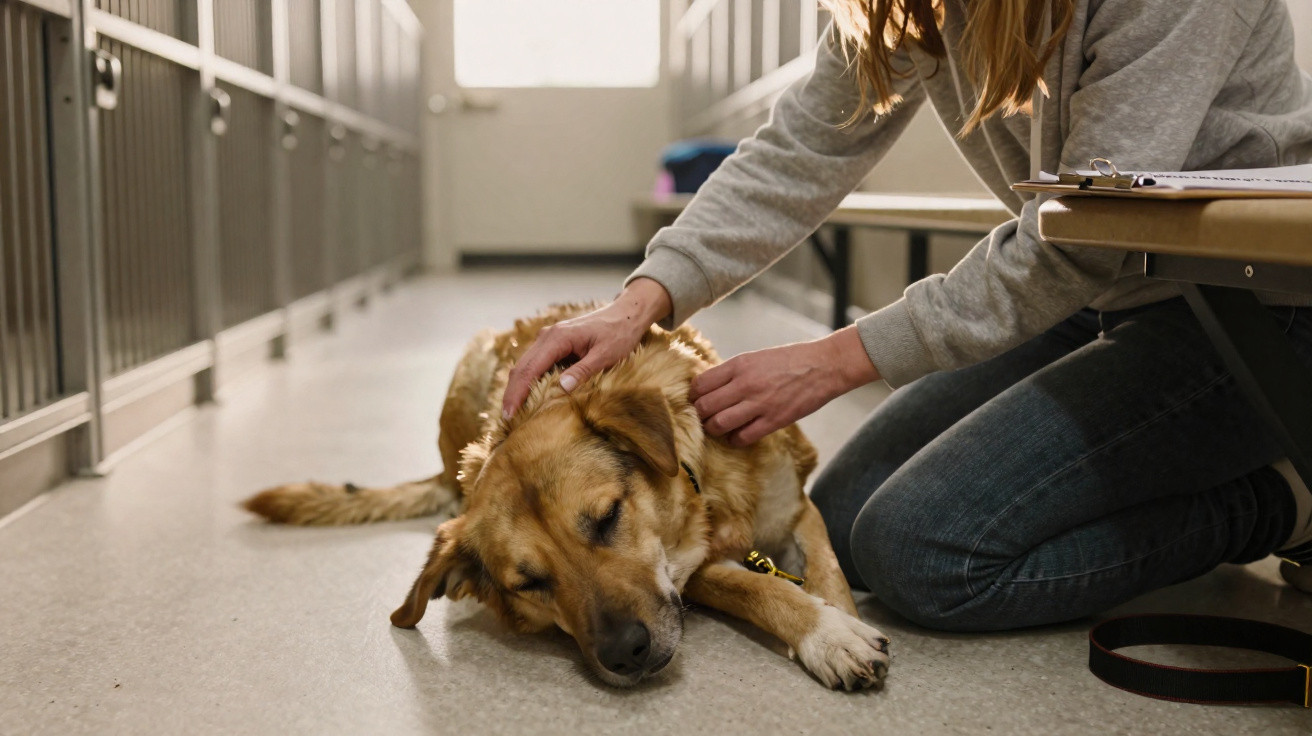
Dogs with separation anxiety, noise phobias or a generally nervous temperament react more quickly to any kind of change. When different times suddenly apply, they may cling more closely to people or show increased stress symptoms.
“For us, the clock change is a diary date – for sensitive dogs, it feels like several small earthquakes in their daily routine.”
Creating stability: how to help your dog feel secure
The key is a clear, dependable routine. The calendar may alter the clock, but your dog should still feel that everyday life with you remains reliable.
Routines as anchors
Rituals help dogs find their bearings. These might include:
- always following the same bedtime routine, with a final walk, an offer of water and a brief cuddle
- regular games or short exercises at similar times
- a fixed place where your dog can genuinely rest, without constant interruptions
Such constants act as anchor points. Even if the time changes, the pattern remains recognisable.
Create a quiet space
Your dog needs dependable places to retreat to, particularly during the first few days after the clocks change. A quiet basket, blanket or crate in a room with little foot traffic helps reduce stimulation. The calmer the surroundings, the more easily your dog's body can settle back into its rhythm.
Practical extras that make the clock change easier
Alongside gradually moving the timings, a few everyday measures can smooth the transition.
- More mental stimulation: Scent work and search games are tiring without placing too much physical strain on your dog. They are ideal on days when the routine still feels unsettled.
- Make use of light: Walks in daylight at a similar level of natural brightness help the internal rhythm to reset.
- Avoid major experiments: If possible, do not introduce a new food brand, take long car journeys or use dog boarding during this adjustment period.
- Gentle mornings: Do not leap straight from bed into a hectic schedule; begin the day calmly instead.
Anyone who generally relies on routines will benefit beyond the clock change as well: dogs tend to behave more predictably, are often more relaxed and respond more calmly to individual disruptions such as visitors or a shorter walk.
The change to summer time remains a small challenge for people and dogs alike. With planning, clear routines and a little extra attention, it need not be a shock for your four-legged friend, but simply a gentle adjustment to their familiar, comfortable daily life.









Comments
No comments yet. Be the first to comment!
Leave a Comment