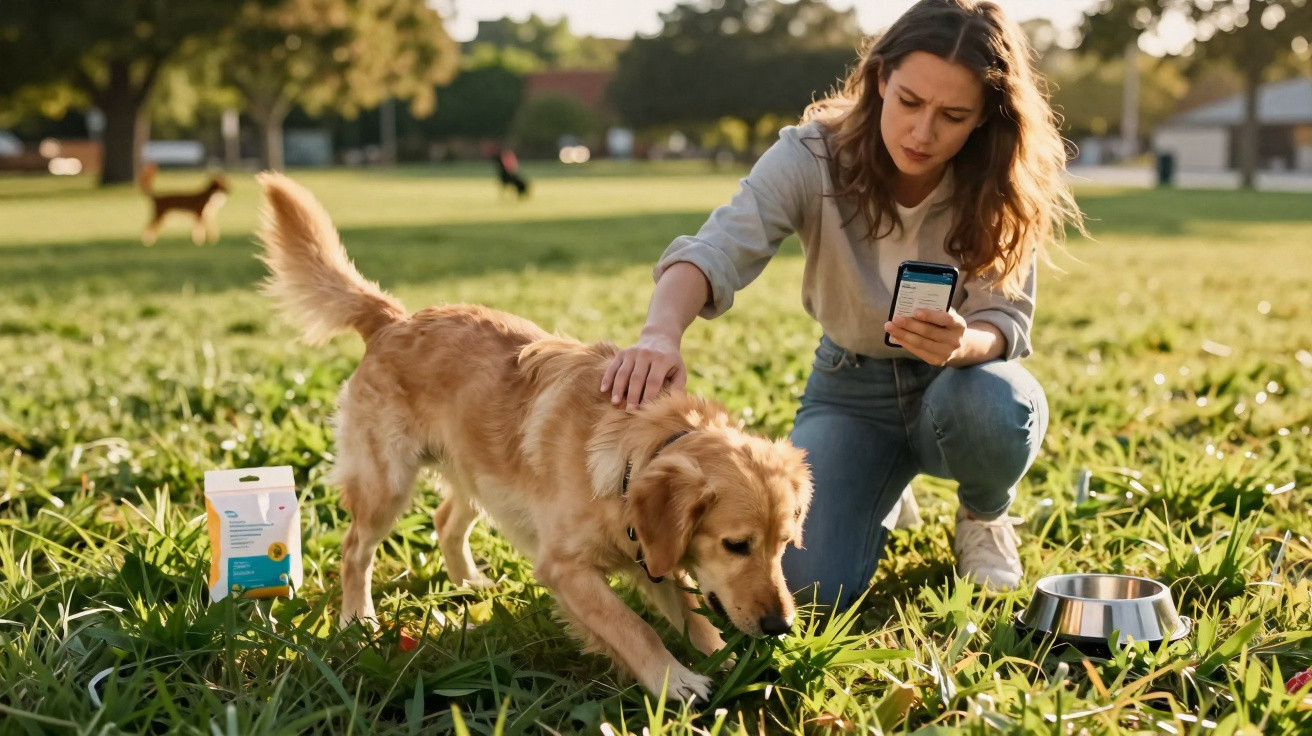
Behind this nibbling lies more than you might think.
Many owners are surprised when their four-legged companion wanders across a meadow and chooses to pluck blades of grass rather than chase sticks. At first, the sight seems amusing, but it can soon become worrying: is this safe? Could it make them ill? And when does this behaviour point to a genuine gastrointestinal problem? Understanding your dog's signals helps you stay calm – or take action promptly when it matters.
Why dogs eat grass at all
Veterinarians estimate that a large proportion of dogs eat grass at least occasionally. It may seem odd to people, who tend to view dogs as carnivores. Yet for many animals, eating greenery is an everyday habit and does not mean they are unwell.
“In most cases, grass eating in dogs is normal behaviour – not an immediate emergency.”
There are several reasons for it, and they are usually entirely unremarkable.
An ancient instinct from their hunting days
Dogs descend from wolves. When wolves eat prey, they also consume the stomach contents of herbivores, thereby taking in plant material indirectly. Experts believe this may be why dogs still instinctively reach for grass today.
Raw plant matter can act rather like a brush in the stomach. It slightly agitates the contents, stimulates digestion and may sometimes ease mild nausea. This irritation in the stomach can occasionally trigger vomiting – precisely the response many dogs instinctively seek when they feel queasy.
Extra fibre for digestion
Fibre is another factor. Although many commercial foods contain fibre, not every dog tolerates or benefits from it equally well. If the bowel is slightly sluggish, fresh grass may give intestinal movement a modest boost.
- Fibre stimulates movement in the intestines.
- It can make stools slightly bulkier.
- For some dogs, it has a regulating effect – both with constipation and overly soft stools.
If you notice that your dog eats grass frequently and has rather hard or very irregular stools, discuss the food's composition with your vet or a pet nutrition adviser. Sometimes, increasing the fibre content of the diet is enough to make grass suddenly less appealing.
Boredom and insufficient activity
Many dogs simply nibble because they are bored. A dog left alone in the garden for hours will find its own entertainment. Some dig, others bark at passers-by – while others pull at blades of grass.
The behaviour can then seem almost meditative: the dog strolls around, plucks a little here and nibbles a little there. There is no stress or pressure; it is more of a ritual. In these cases, providing more activity works far better than imposing bans.
Typical signs of “boredom grass” include:
- the dog appears relaxed, with its tail in a neutral position;
- it eats slowly and intermittently, rather than frantically;
- as soon as you offer a game or call it, it immediately leaves the grass alone.
Simply because it tastes good
Grass blades are crisp and slightly damp in the morning, and can sometimes taste faintly sweet. Many dogs enjoy both the texture and flavour. Much like we might crunch on a raw carrot for pleasure, they treat themselves to “grass on the go”.
“For many dogs, grass is simply a snack – as unremarkable as a piece of cucumber.”
When eating grass suddenly becomes a warning sign
Although this behaviour is harmless in many instances, there are clear red flags. As soon as the pattern changes, you should look more closely.
Sudden, greedy grass eating
Anyone who knows their dog will quickly recognise when something changes. A warning sign is an abrupt new pattern: the dog practically throws itself at the grass, seems frantic, gulps down whole clumps and barely stops.
Typical features of concerning behaviour include:
- grass eating suddenly happens far more often than before;
- the animal swallows large quantities, sometimes including soil;
- it seems anxious, whines or paces restlessly.
In such cases, the dog is often trying to compensate for significant stomach discomfort. It may be an acute irritation, trapped wind, pain in the upper abdomen or another digestive-tract problem.
Grass eating combined with vomiting
It becomes concerning when two things occur together: lots of grass and repeated vomiting. This is especially true if the dog:
- vomits or retches several times a day;
- brings up mucus, foam, blood or foreign material;
- also appears lethargic, refuses food or pants heavily.
“Lots of grass plus repeated vomiting is a clear case for the vet – without waiting around for long.”
An irritated stomach lining (gastritis) or a foreign body in the gastrointestinal tract is often responsible. Common culprits include bone fragments, plastic, pieces of toys or small plant material such as grass awns.
When you should not hesitate any longer
Dogs should be taken straight to the veterinary practice if, alongside eating grass and vomiting, they show any of these signs:
- a swollen, hard abdomen;
- severe restlessness, whimpering or a hunched posture;
- sudden, noticeable listlessness;
- pale mucous membranes in the mouth;
- bloody diarrhoea or black, tar-like stools.
These symptoms may indicate an emergency such as gastric torsion, an intestinal blockage or severe poisoning. When in doubt, every hour can count.
How to keep your dog safe when eating grass
The aim is not to forbid every blade of grass, but to reduce risks and keep an eye on your dog.
Hazards in meadows and gardens
Grass itself is rarely the issue – it is more often what is on or in it. Potential hazards include:
- pesticides and weedkillers;
- fertilisers, especially shortly after application;
- slug pellets and other garden poisons;
- pieces of glass or plastic hidden in the grass.
“The safest areas are those whose maintenance you know – for example, your own untreated garden.”
Particularly in agricultural areas and on recently maintained park lawns, it is worth taking a quick look: are there warning signs? Does the ground smell chemical? If so, keep your dog on the lead or avoid the meadow.
Adjusting food and providing activity
If you want to reduce grass eating, there are two areas you can adjust: diet and activity.
| Approach | Possible effect |
|---|---|
| More high-quality fibre in the food | More stable digestion, less “searching for substitute fibre” |
| Avoiding heavily seasoned table scraps | Less stomach irritation |
| Scent work and search games on walks | The dog is mentally occupied and nibbles less from boredom |
| Structured chewing treats, such as dried skin or beef scalp | Satisfies the urge to chew, reducing the need to “nibble” grass |
How to interpret your dog's behaviour correctly
Ultimately, the overall picture is what matters. No two dogs behave in exactly the same way, but a few rules of thumb can help with assessment.
When you can stay relaxed
There is usually no cause for alarm when:
- your dog has occasionally eaten grass for years;
- there is no vomiting, diarrhoea or pain;
- it otherwise behaves entirely normally: eating, playing and sleeping as usual.
In that case, it is very likely a harmless habit. Simply keeping an eye on it is enough.
When you should document the behaviour
If you are unsure, keeping a small “digestion diary” can be useful. Make a note of:
- the date and time of day;
- roughly how much grass was eaten;
- whether vomiting or diarrhoea followed;
- when and what food was last given.
With this information, the vet can assess much more easily whether the grass eating reflects a medical issue or simply a harmless preference.
Extra: What may lie behind gastritis or a foreign body
Many owners hear terms such as “gastritis” for the first time at the vet and feel unsettled. It refers to inflammation of the stomach lining. Frequent triggers include meals that are too fatty, seasoning from table leftovers, medicines such as painkillers, or swallowed foreign bodies.
A foreign body in the gastrointestinal tract blocks the normal passage of food and fluids. The dog then instinctively tries to get rid of the unpleasant sensation – including through eating grass, retching and vomiting. The earlier this condition is recognised, the greater the chance of avoiding surgery, for instance by removing the object endoscopically at an early stage.
Owners who know their dog, observe it regularly and take small changes seriously have a crucial advantage: problems are noticed early, while the occasional nibble on fresh grass remains simply an individual yet normal part of a dog's life.









Comments
No comments yet. Be the first to comment!
Leave a Comment