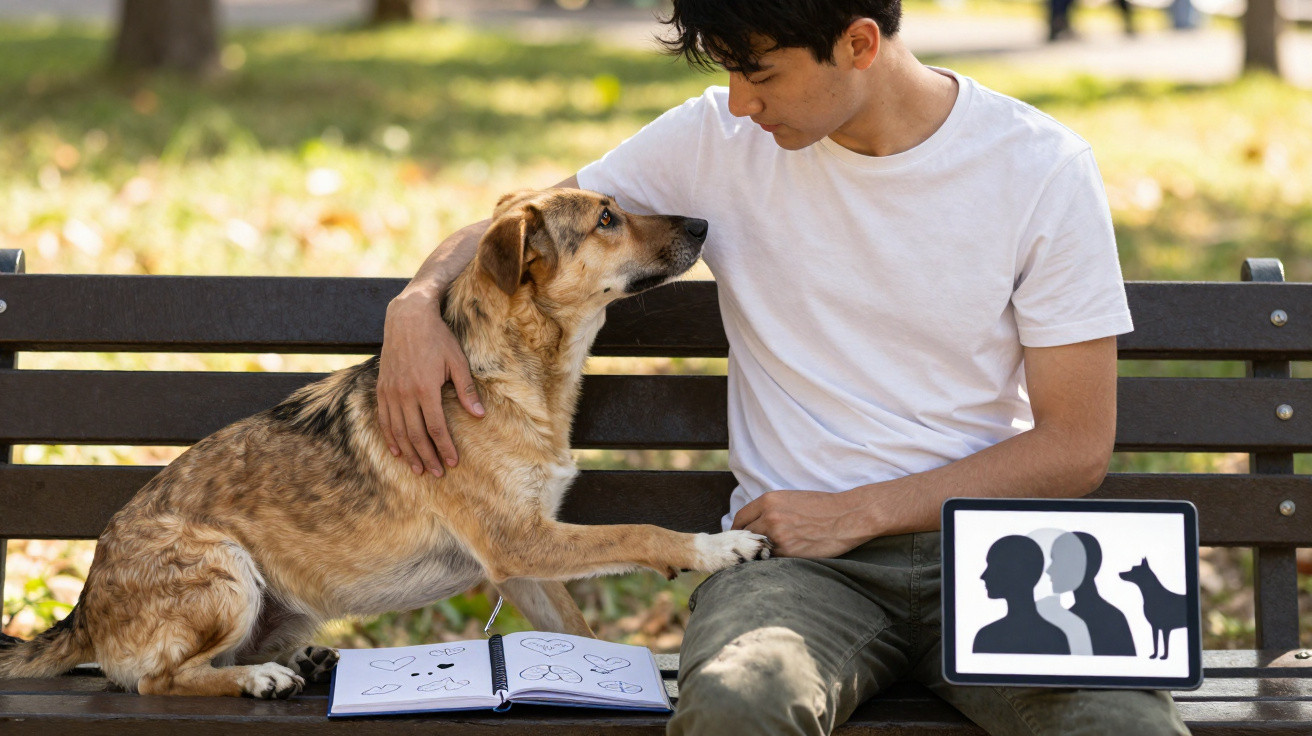
Many dog owners ask whether they have anything in common with their dogs, whether that is a relaxed nature, an outgoing character or even a touch of stubbornness.
The notion that humans and dogs can resemble one another is more than a running joke. Researchers have, in fact, examined the question.
As a clinician and researcher studying different dimensions of the human–animal bond, and someone who works clinically with people mourning the death of a pet, I recognise how significant these connections can be. I am especially interested in the ways perceived resemblance and emotional bonds with dogs may influence relationship quality.
It is important to understand what research currently tells us about similarities between humans and dogs. Doing so may show whether perceived physical and personality traits have a part to play in the quality of the relationships people have with their dogs.
What researchers say about similarities between people and dogs
Research into perceived resemblance between people and their dogs examines whether these impressions are accurate and how they may influence the human–dog relationship.
A recent review brought together the results of 15 empirical studies exploring resemblance in dog-human pairs, in both looks and personality. In personality terms, the evidence indicates that dogs and their guardians may share corresponding characteristics, including degrees of extroversion, anxiety and sociability.
Some people also appear to select dogs that look physically similar to them, especially when they choose a pedigree dog. Notably, women’s hair length seems to be associated with a preference for dogs with similarly long ears, whereas women with short hair appear to prefer short-eared breeds.
Another study indicates that resemblance between guardians and dogs may be especially noticeable around the eyes. Further research has found a positive association between owners’ body mass index (BMI) and the extent to which their dogs are overweight, potentially because they share the same lifestyle.
Crucially, many of these studies rely on questionnaires completed by the guardians themselves. Some may therefore argue that the results simply reflect guardians’ perceptions.
Yet one team of researchers asked people who had never encountered the dog-guardian pairs to pair photographs of dogs with photographs of their guardians according to perceived resemblance.
The participants were able to match the majority of dog-guardian pairs correctly. This suggests that resemblance may be more than a guardian’s personal impression.
Comparing relationships with dogs and people
Why might this occur? One explanation concerns our evolutionary past, as people also tend to look for others who think in similar ways.
In evolutionary settings, belonging to groups that were cohesive and predictable improved co-operation and survival. Those tendencies still shape relationships with other people, encouraging connections with individuals who seem to share our values, behaviour or even physical characteristics. Similar processes may apparently affect the way we relate to dogs.
Resemblance is also found among people living with pedigree dogs. This may be because people often choose breeds linked with particular behaviours, while standardised breed traits can make pedigree dogs’ behaviour more predictable and consistent.
Personality similarities may also be explained by emotional exchanges between humans and dogs, mutual regulation, behavioural reinforcement, and learning through observation and imitation.
For instance, people may encourage particular behaviours in their dogs because of their own preferences or daily routines, sometimes without meaning to do so. Meanwhile, emotional exchanges between dogs and humans may gradually influence one another’s emotional states.
This is more than a scientific curiosity. Knowing how perceptions of resemblance affect people’s relationships with their dogs could help promote more rewarding relationships for both humans and dogs.
Seeing similarities may lead people to invest more emotionally in the bond, and may even affect how they understand and deal with difficult behaviour in their dogs. They may, for example, be more accepting of some behaviours if they recognise a comparable tendency in themselves.
However, although perceived resemblance can reinforce a relationship, it can also shape expectations. People may project human-like qualities onto their dogs instead of seeing them as they truly are.
Beyond similarity: what brings people and dogs together
People and dogs can still be an excellent fit even when their personalities differ. Consider an energetic, playful dog living with a person who is quieter or more introverted.
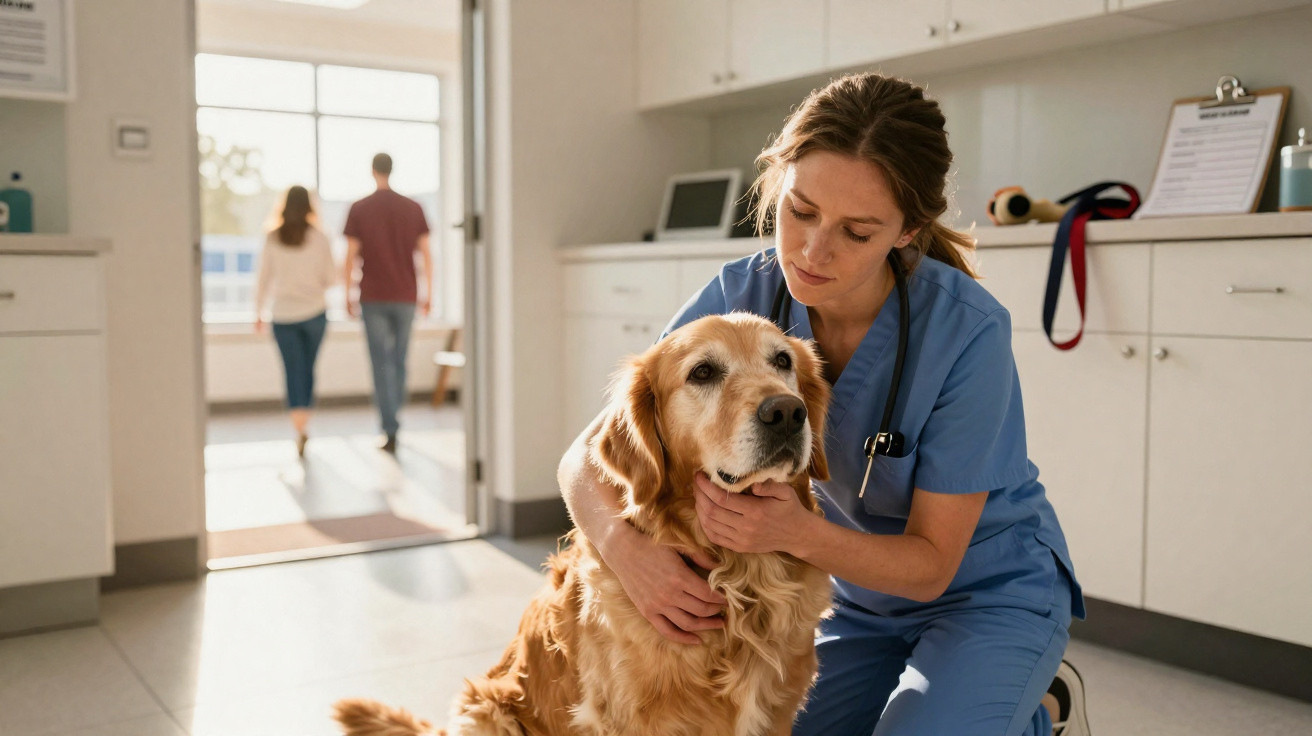
The dog’s liveliness may motivate that person to become more active, supporting healthier routines such as walking and spending time outdoors. Experiencing happiness, frustration or even sadness with a cherished dog can also offer companionship and emotional support.
While people and their dogs can sometimes resemble each other, research indicates that compatibility may be another essential ingredient in creating a positive relationship with dogs. Factors including attachment style and elements of the human’s personality may be just as important.
The feeling of similarity is not necessarily present from the start, either. It can develop through co-regulation and mutual reinforcement, much as it does in close human relationships. In that sense, compatibility can be present even where people and dogs are not alike.
As with relationships between people, resemblance is not always what keeps us together. Although it can play a part, the most meaningful bonds are sometimes formed between those who are different.
What may matter most is how effectively we connect, support one another, accept possible differences and create mutual understanding.
Renata Roma, Postdoctoral Fellow, Centre of Behavioural Sciences and Justice Studies/Pawsitive Connections Lab, University of Saskatchewan
This article is republished from The Conversation under a Creative Commons licence. Read the original article.

Comments
No comments yet. Be the first to comment!
Leave a Comment