
Living with a cat means knowing how deeply they become part of the family. That makes the point at which you realise your time together is drawing to a close all the more painful. Although nobody wants to contemplate it, understanding what lies ahead can help make the farewell as dignified and pain-free as possible – for both the cat and the people who love them.
Does a cat understand that it is going to die?
Cats do not understand “death” as an abstract idea in the way people do. They do not anticipate their end or have an internal farewell conversation. However, they are very aware of changes within their bodies: weakness, severe pain, unfamiliar smells and unusual physical reactions.
Their sense of smell, hearing and touch are considerably more sensitive than ours. As a result, they experience every deterioration in their condition intensely. Studies suggest that animals may not grasp death as a concept, but can certainly feel fear or unease when their body becomes “out of balance” and familiar patterns stop working.
A dying house cat does not “know” that it is about to die – but it can clearly sense that something is seriously wrong.
Common behavioural changes in a dying cat
As an animal approaches the end of its life, its behaviour almost always changes. Some signs develop gradually, while others appear suddenly. Not every symptom means that a cat is dying – many issues can be treated by a vet. Even so, owners should take the following warning signs seriously.
Withdrawal or unusually strong clinginess
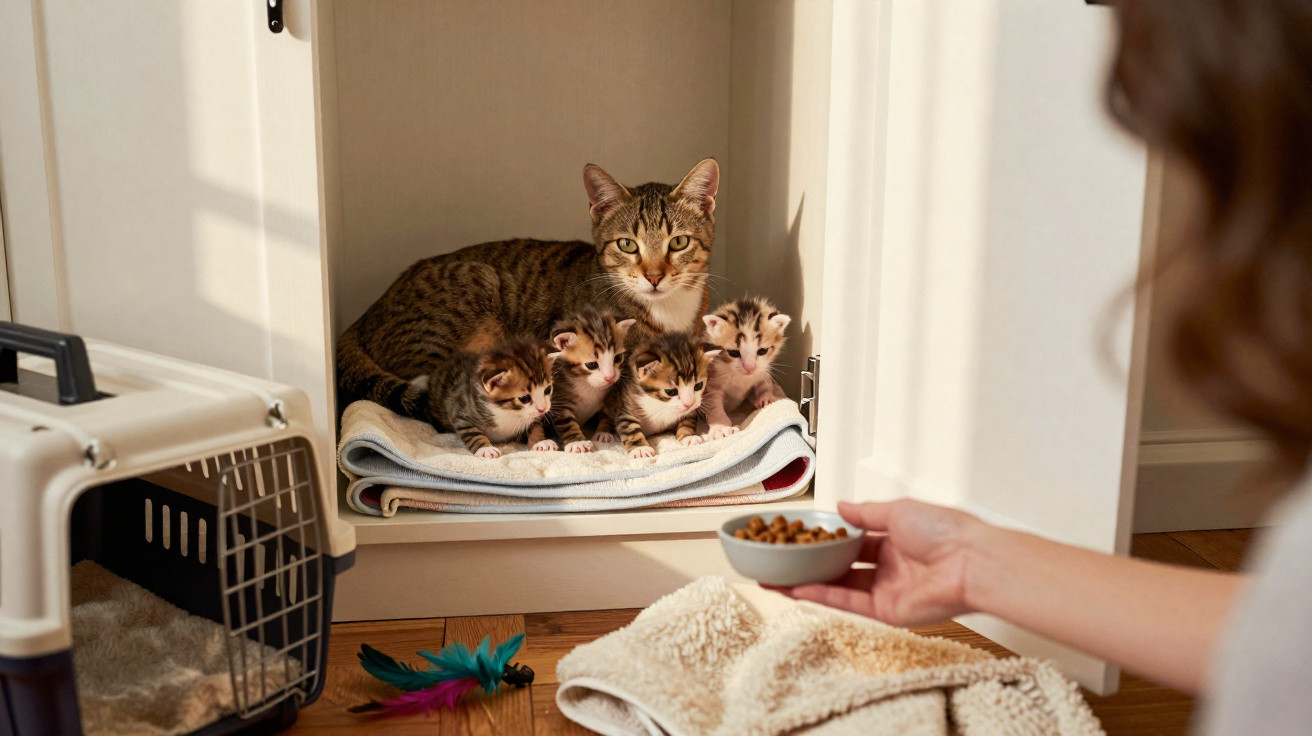
Many cats seek out an exceptionally quiet, hidden spot. They may retreat beneath furniture, into cupboards or boxes, or behind dark curtains. This is because they feel ill, weak and vulnerable. In the wild, a predator at this stage would likewise look for safety and peace.
The reverse can happen too: some cats suddenly become almost inseparable from their person, seeking physical contact, sleeping close to the bed or following them far more than usual. House cats with a close attachment to people apparently look for comfort and security at such times.
Whether they withdraw or become clingy: a clear break from normal behaviour is an important warning sign.
Noticeable changes in personality
- Unexpected aggression: A cat that is normally friendly may suddenly hiss, scratch or bite when touched. Pain or severe sensory overload is often the cause.
- Unusual apathy: A previously playful animal can seem “switched off”, barely reacting and no longer showing interest in people, toys or its surroundings.
- Heightened sensitivity: Sounds, light and touch can quickly become overwhelming. Some cats flinch even when gently stroked.
Major changes to sleeping and eating habits
Cats generally sleep more as they age, but a dying animal will often sleep dramatically longer. They may seem constantly exhausted, getting up only to drink or use the litter tray – or remaining where they are and urinating involuntarily.
It is particularly alarming if a cat eats nothing at all for more than 24 hours or refuses fluids completely: they should see a vet as quickly as possible. Older animals in particular can rapidly deteriorate into a life-threatening condition.
Grooming habits and coat condition
A cat that no longer grooms itself is sending a clear warning signal. Its coat may become dull, rough, matted or greasy-looking. The animal may also smell different, perhaps stronger or noticeably “unwell”. Pain, profound weakness or serious organ disease are usually behind these changes.
Physical signs: when a cat’s condition becomes critical
In addition to behavioural changes, bodily functions can indicate how far the process has progressed. Anyone who knows their cat well will often notice many of these signals quickly.
- Lower body temperature: The ears, paws and tail feel distinctly colder. The cat may deliberately seek warm places, such as beside a radiator or on a blanket in the sunshine.
- Weak pulse and shallow breathing: The heart beats more slowly and breaths become irregular. In healthy cats, the pulse is usually 150–200 beats per minute, while breathing is around 20–30 breaths.
- Seizures: Twitching or full seizures can occur during the final hours before death. Between episodes, some animals may appear unconscious or barely responsive.
If you notice these signs, do not simply wait alone: contact your vet. They can assess the level of suffering and advise on available pain relief or supportive care.
Warning signs at a glance
| Sign | What it may indicate |
|---|---|
| No food for over 24 hours | Organ failure, severe pain, serious nausea |
| Extreme withdrawal or hiding | Weakness, fear of dying, seeking protection |
| Cold ears and paws | Falling body temperature, circulatory failure |
| Irregular, laboured breathing | Heart or lung disease, the dying phase |
| No further interest in surroundings | Severe exhaustion, clouding of consciousness |
How owners can support their cat in its final days
When the prognosis is poor and it becomes clear that your time together is limited, one thing matters above all else: making the remaining days as comfortable as possible. Small adjustments to everyday life often help more than expected.
- Prepare a soft, low bed in a warm, quiet place.
- Place water and food bowls as close to the bed as possible.
- If they still have an appetite, offer favourite treats or particularly aromatic food.
- Spend plenty of time nearby, even if the cat does not actively want to cuddle.
- Reduce sources of stress: avoid loud music, boisterous children and a constant flow of visitors.
- Give medication consistently as prescribed by the vet, so that pain does not become unnecessarily severe.
The most important task at this stage is to be present, provide calm and relieve pain – not to try to “organise away” the dying process.
When euthanasia becomes a consideration
For many owners, deciding on euthanasia is the hardest step. Nobody wants to actively bring about the end, yet delaying this decision can sometimes prolong an animal’s suffering. Vets consider factors such as ongoing severe pain despite medication, uncontrollable breathlessness, complete refusal of food, or a state in which the cat experiences only fear and distress.
An open conversation with the vet is helpful: what does quality of life mean in this particular case? What options are realistically still available, and which would merely gain time without providing relief? Those who answer these questions honestly are less likely to make a decision they later regret.
The emotional strain on people – and how to cope
Saying goodbye to an animal can affect many people as deeply as losing a close relative. Grief, guilt and doubts (“Should I have taken them to the vet sooner?”) are entirely normal reactions. Children in particular need an honest yet gentle explanation and an opportunity to say goodbye.
A small ritual can help: lighting a candle, creating a decorated memory box, or giving a photograph a permanent place. Some owners write a short letter to their deceased cat – an act that can feel surprisingly liberating.
Practical insights from daily life with elderly cats
Many symptoms that later develop into the dying phase begin quite harmlessly: a cat no longer jumps onto a high shelf, sleeps through half the day or eats more slowly. Responding early can often extend their life significantly – for example, through dental treatment, a kidney diet, pain management for arthritis or adapting the home to reduced mobility.
Helpful measures include:
- Ramps or stools instead of high jumps onto the sofa or bed.
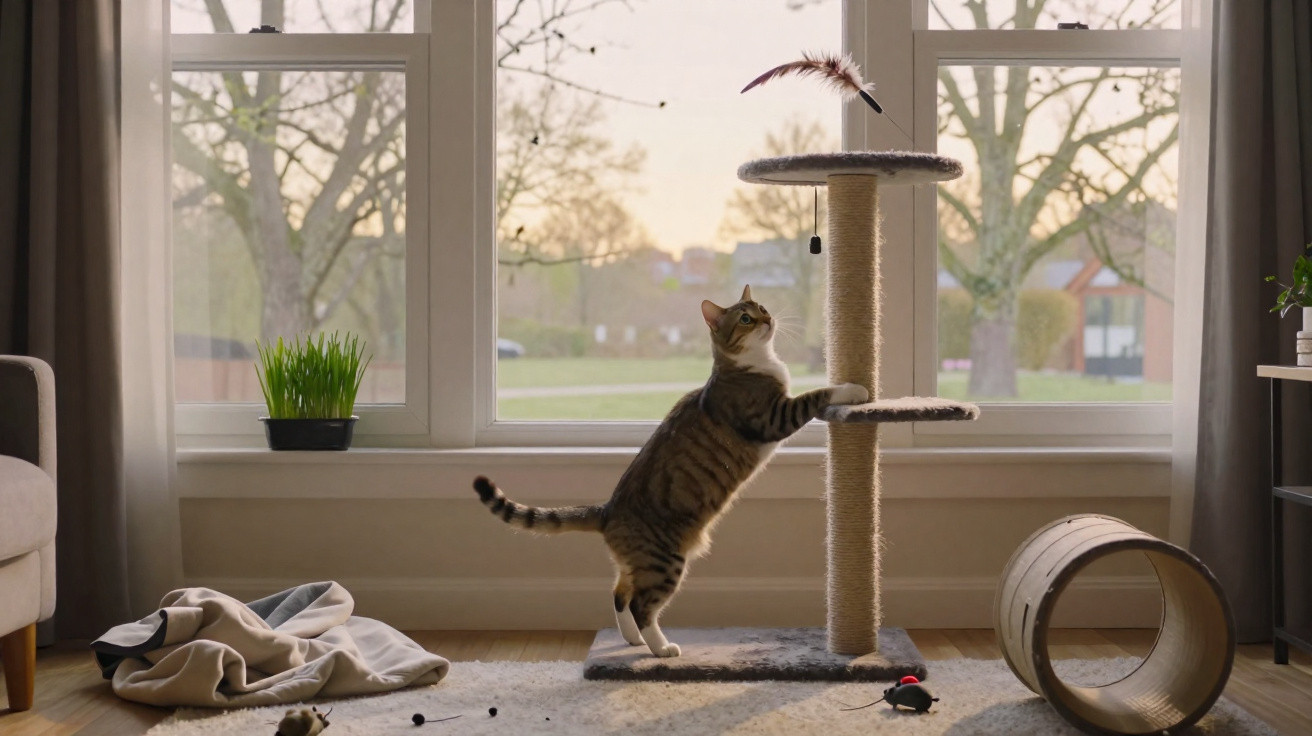
- Several low sleeping places rather than one tall cat tree.
- Regular blood tests from a certain age onwards, so kidney or liver problems can be identified in good time.
Carefully observing your cat day to day helps you understand what is normal for them and spot deviations much earlier. This makes it easier to tell the difference: are they simply tired and old, or is their body already sending serious cries for help?
Medical terms such as “organ failure” sound harsh, but they ultimately mean that a vital system – such as the heart, lungs or kidneys – can no longer carry out its function. At this stage, modern veterinary medicine can relieve pain and ease breathlessness, but cannot fully stop the underlying process. This is precisely when cats need people beside them who have the courage to look closely, make decisions and, above all, stay with them until the final moment.















Comments
No comments yet. Be the first to comment!
Leave a Comment